


 Back to Blogs
A Homeowner’s Guide to Mold Prevention Following Water Damage

A noticeable hole in the roof, a leaky window with a puddle beneath the sill, or a full-on flood means it’s time to break out the mop and buckets and start cleaning. But once the water’s gone, you’re set – right?
Wrong. Without the right preventative steps, your Triad home could still be vulnerable to mold after water damage. Left unchecked, mold spores could grow and spread throughout your home, leading to unsightly spots on the walls and ceiling, structural damage, and even health risks.
To learn more about how to prevent house mold after serious water damage, keep reading! Our team at Window World of the Triad is here to help with exterior remodeling upgrades that resist moisture-related damage. Get in touch with us online for more information about our offerings.
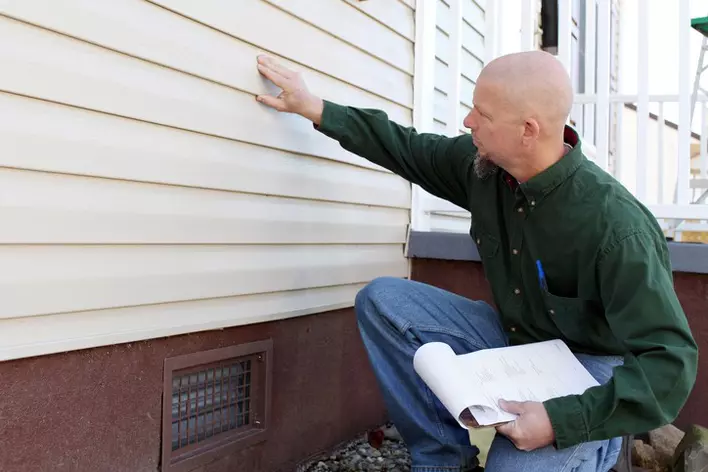
Know where to look for mold after flooding or other water damage
In the aftermath of any storm-related misadventure, it’s imperative to examine your home and check for signs of mold or pooling water. Time is of the essence – mold can develop in as few as 24 to 48 hours, so leaving this critical job for the weekend is never a wise idea!
Where should you check? Mold grows in places with lots of water, food, and the right temperature (typically 80°F or higher). Unfortunately, several places in your home could match that description, including:
- Behind drywall or wallpaper
- Inside your walls
- Underneath carpet or carpet padding
- On the insulation of your home
- Between your home’s siding panels
- In the framing struts of your home
- In the door trim
As a good rule of thumb, it’s wise to check any areas where you think water might have fallen, splashed, or flooded into. It's better to be thorough now and catch any pools and puddles early to take care of them quickly than it is to discover mold growing several weeks down the line.
Key tips for mold prevention in your home
Once you find water, the real work begins. Fortunately, you can prevent mold from growing in your home by following these basic steps.
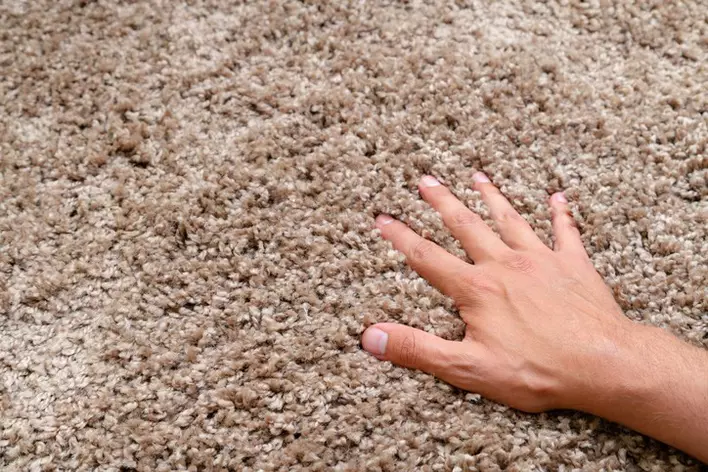
Touch, don’t look
Not sure if the carpet, paneling, or somewhere else is really wet? Touch it, don’t just look at it. The touch test is much more reliable and accurate – you’ll be able to immediately tell if a seemingly dry patch of carpet is soaked underneath by pressing on it with your finger, for example.
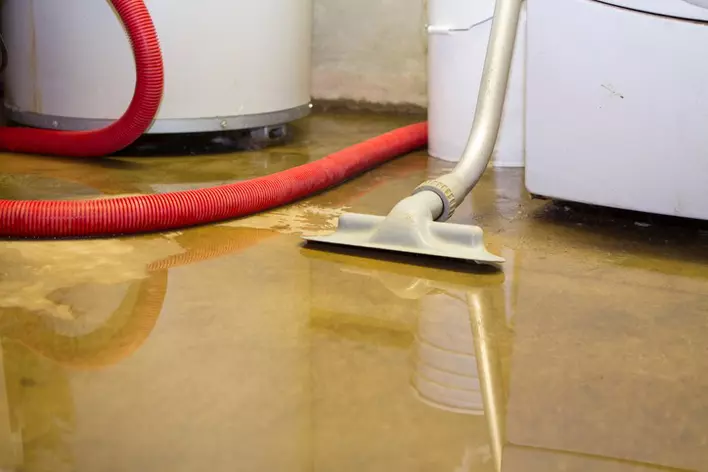
Dry and clean likely areas quickly
As you discover waterlogged areas, dry and clean them very quickly. If you don't want to go through your family's supply of towels, use a wet/dry vacuum instead, which can suck up any water in no time. If you don't already have one, you might be able to rent an industrial-grade vacuum from your local home improvement store or rental yard.
In any case, make sure that the affected areas are 100% dry before moving on for maximum mold prevention. If certain areas have high humidity levels, use fans for air circulation – they’ll dry the local area if you plug them in near the soaked spots and let them run for a few hours.
Prioritize black and gray water
As you check your home for signs of mold, you might find different kinds of water. Gray water is dirty and typically comes from sinks, showers, and the washing machines of your house, while black water will look visibly murkier and is likely contaminated with human or animal waste.
It’s a good idea to clean these kinds of water up first. Not only are they dangerous to you and your family, but black and gray water are more likely to be breeding grounds for bacteria and mold.
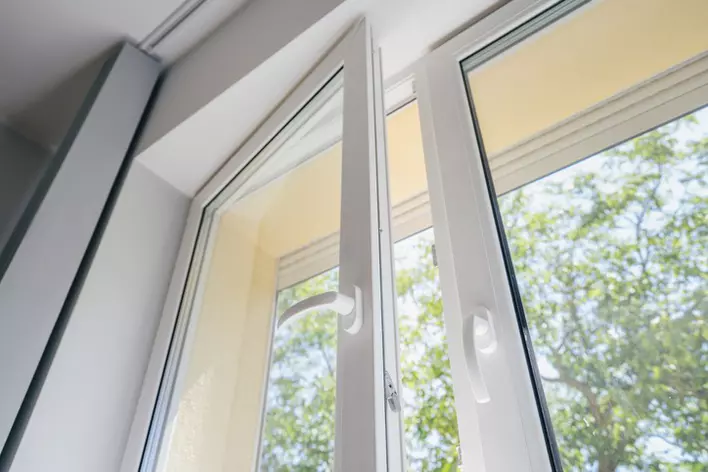
Ventilate humid areas for mold prevention
Sometimes, water damage can be extensive and spread throughout your property. It’s a good idea to ventilate any humid areas with excess moisture problems, like bedrooms, bathrooms, and so on.
Consider opening windows, turning on the fans, and letting some fresh air in to dry everything out. Don’t forget to turn off your air conditioning system or heater while you do this, of course, as the last thing you want to do is waste energy or inadvertently increase the humidity in your home.

Or use a dehumidifier for extra drying action
But what if things are just too humid for you to properly combat? In that case, pick up a basic dehumidifier from the store.
A dehumidifier will provide even better drying results for affected areas, especially small rooms like bathrooms (which tend to be hotspots for mold growth, anyway). A dehumidifier can even be beneficial after you've finished cleaning up water – you'll be able to use it to keep the humidity in your home down on hot summer days.
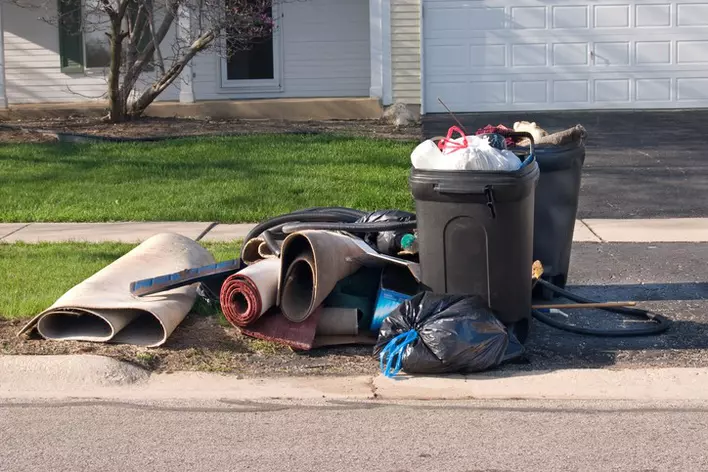
Dispose of any waterlogged materials
As you continue your mold prevention campaign, take any extremely waterlogged materials, ranging from towels to floorboards to pieces of carpet, and throw them away. Don’t let them stay in your home or pile up in the backyard.
Mold can grow anywhere, including outside. The only way to make sure it doesn’t pose a risk to you, your family, or your pets is to get rid of it by throwing it in the garbage. It’s better not to take any chances!
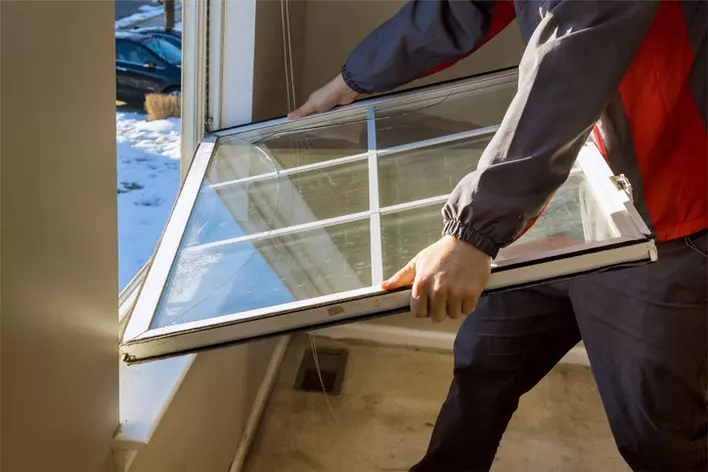
Plug up leaks around the windows and doors
If you’re concerned about mold after water damage, odds are your home is vulnerable to leaks or watery invasions from several points. Take a tour around your Triad house and check the windows and interior and exterior doors. If the windowsills or thresholds are extra wet, for example, it could be that those entry points into your home are faulty.
At this stage, a more in-depth, permanent home renovation might be in order. New, energy-efficient windows – especially windows that open, like sliding windows – that fit perfectly into your home’s walls will keep water out and minimize your energy bill at the same time.
A new front door, meanwhile, can give your Triad house a facelift after a major flood and ensure that water doesn’t leak inside in the future. Choose an energy-efficient model, like woodgrain entry doors, to blend aesthetic appeal and practical value at the same time.
If your windows and doors are still new or are in good condition, though, you can also use weatherstripping to accomplish the same job. Apply weatherstripping along the borders of your doors and windows to seal out any watery hazards.
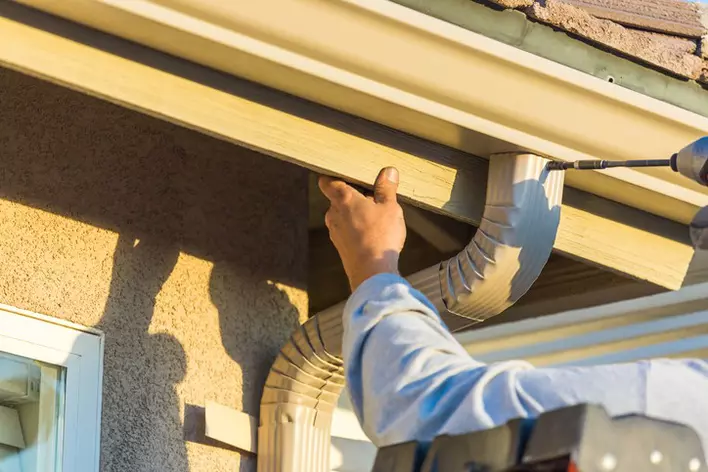
Install new gutters for long-term mold prevention and protection
By the same token, you might consider installing new gutters and gutter guards to shield your home and ensure long-term defense. High-quality, durable gutters can funnel rainwater and melting snow away from your property to proper drainage sites, like the local sewer system. For more long-term value, you can invest in Leaf Relief Gutter Guards to keep your gutter clean and safe throughout the year, too!
You can’t completely predict the weather, and you never know what the next summer storm or winter snowfall might bring. But with these tips and techniques, you’ll be well-equipped to keep your home mold-free forever – especially with help.
Window World of the Triad is waiting for your call. Our experts can help you find new windows and doors to replace old, drafty models, and we can offer professional installation services for windows, doors, gutters, and more. Request a free quote online or call us at 336-364-5014 today!