


 Back to Blogs
Signs It’s Time to Replace Your Roof: A Homeowner’s Guide
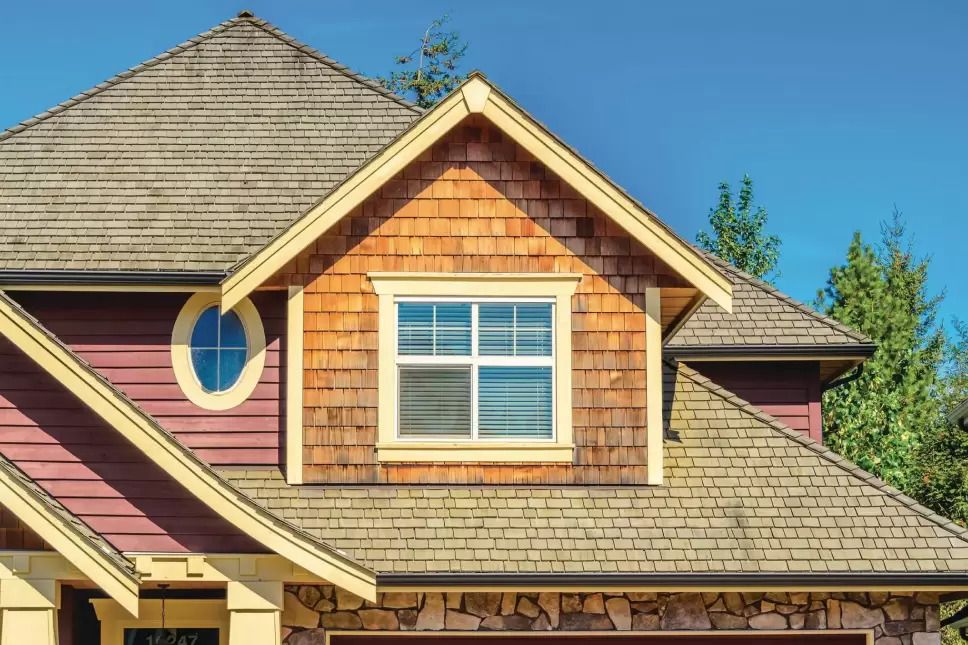
Your roof works year-round to protect your home from rain, wind, sun, and changing temperatures. But because many roofing problems aren't obvious from the ground, it can be easy to overlook signs of wear until water starts making its way inside.
For homeowners in North Carolina's Triad, fall is a good time to take a closer look at your roof before colder winter weather arrives. Missing or curling shingles, excessive granule loss, recurring leaks, and an aging roof can all indicate that repairs may no longer be enough.
Here are some of the most common signs you need a new roof, how roof age factors into the decision, and when replacement may make more sense than repair.
How long does a roof last?
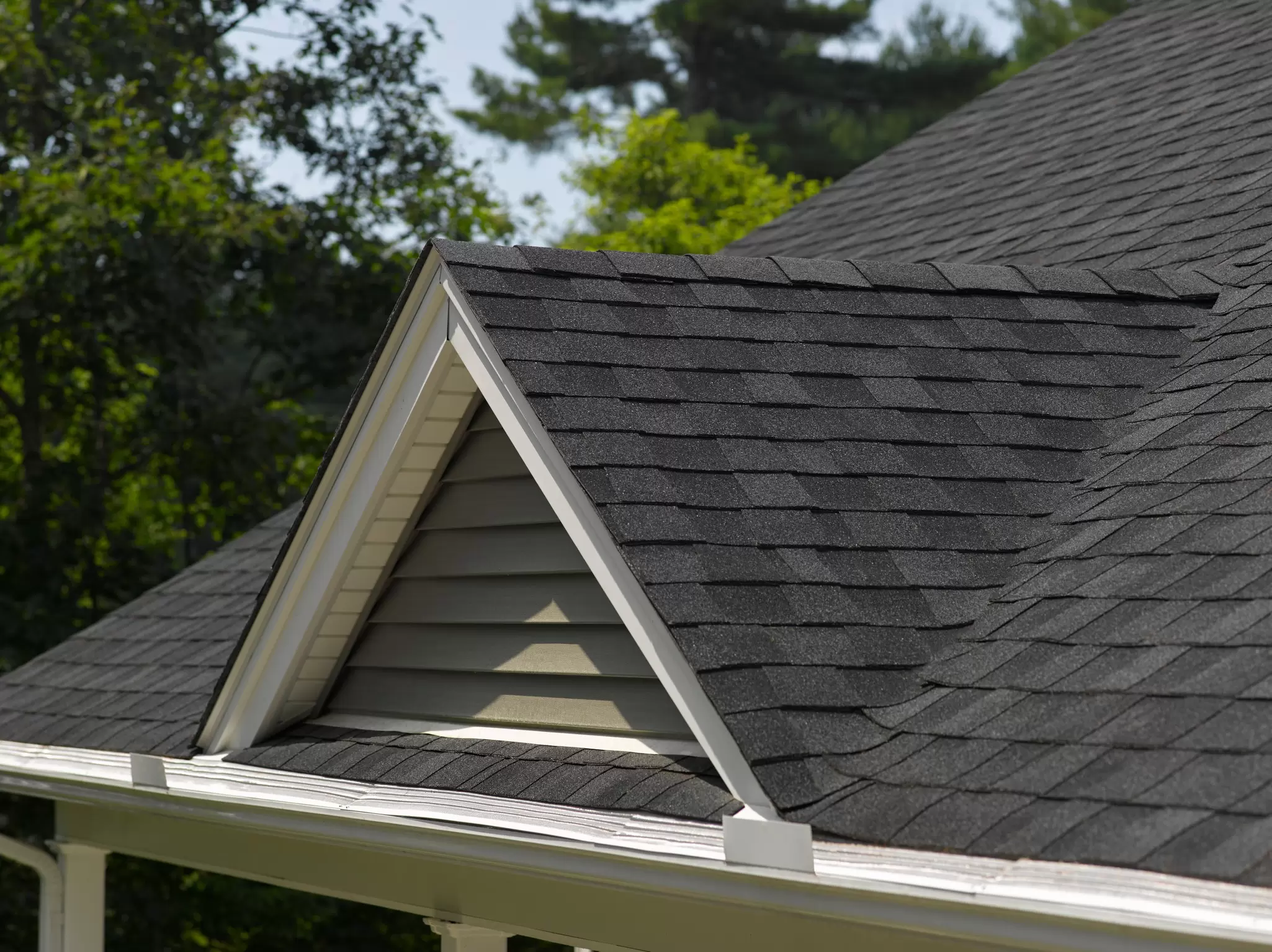
If you're wondering when to replace your roof, its age is a good place to start. A roof's lifespan depends on several factors, including the roofing material, installation quality, ventilation, maintenance, and weather exposure.
Asphalt shingles, one of the most common residential roofing materials, often last around 20 years or longer depending on the specific product and conditions. However, age alone doesn't determine whether a roof needs replacement. A younger roof exposed to storm damage or other issues may need attention sooner, while a well-maintained roof may keep performing effectively as it ages.
If you don't know your roof's age, check home improvement records or paperwork from when you purchased the property. A professional inspection can also help you understand its current condition and whether there are signs of deterioration.
What are the signs you may need a new roof?
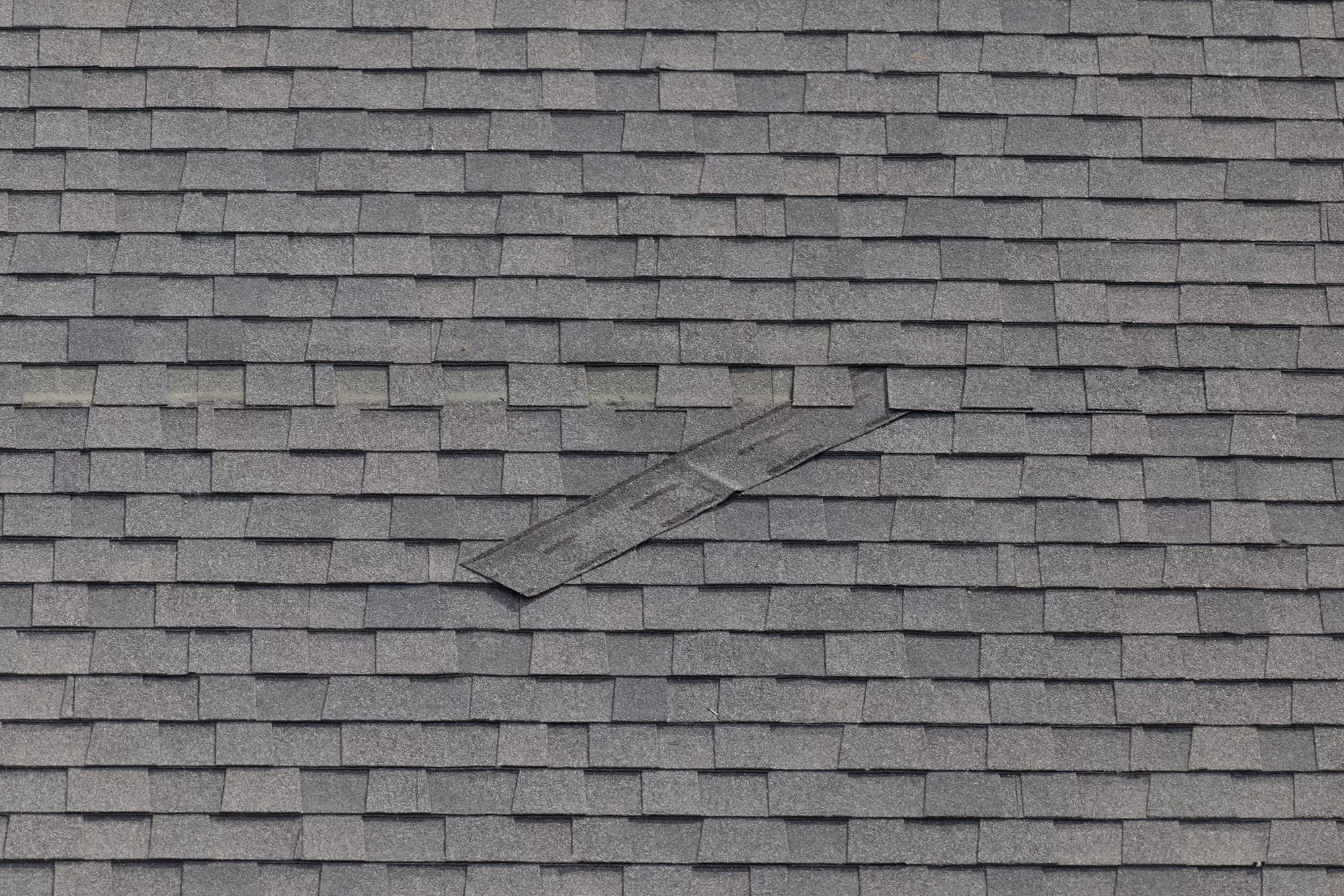
Some roof replacement signs are obvious, but others are easy to miss if you don't know what to look for. You don't need to climb onto the roof yourself to start checking for potential problems. You can spot many warning signs from the ground or inside your home.
Keep an eye out for these seven warning signs:
- Missing or damaged shingles: Shingles that are cracked, curled, broken, or completely missing can leave areas of the roof more vulnerable to the elements.
- Excessive granule loss: Asphalt shingles gradually shed some granules over time, but large amounts collecting in your gutters or downspouts may indicate significant wear.
- Sagging areas: A roofline that appears to dip or sag can point to a more serious problem and should be professionally evaluated.
- Recurring leaks: A single isolated leak may sometimes be repairable, but repeated leaks in different areas can indicate a broader roofing issue.
- Daylight in the attic: If you can see sunlight coming through the roof boards from inside your attic, there may be openings that need prompt attention.
- Water stains or moisture: Discoloration on ceilings or walls, damp insulation, or moisture in the attic can be signs that water is getting through the roofing system.
- Widespread wear: If deterioration appears across large portions of the roof rather than in one isolated area, replacement may be more practical than repeated repairs.
Not every damaged shingle means you need an entirely new roof. However, multiple warning signs or widespread deterioration are good reasons to have a professional inspect the roof.
Why curling, cracked, or missing shingles matter
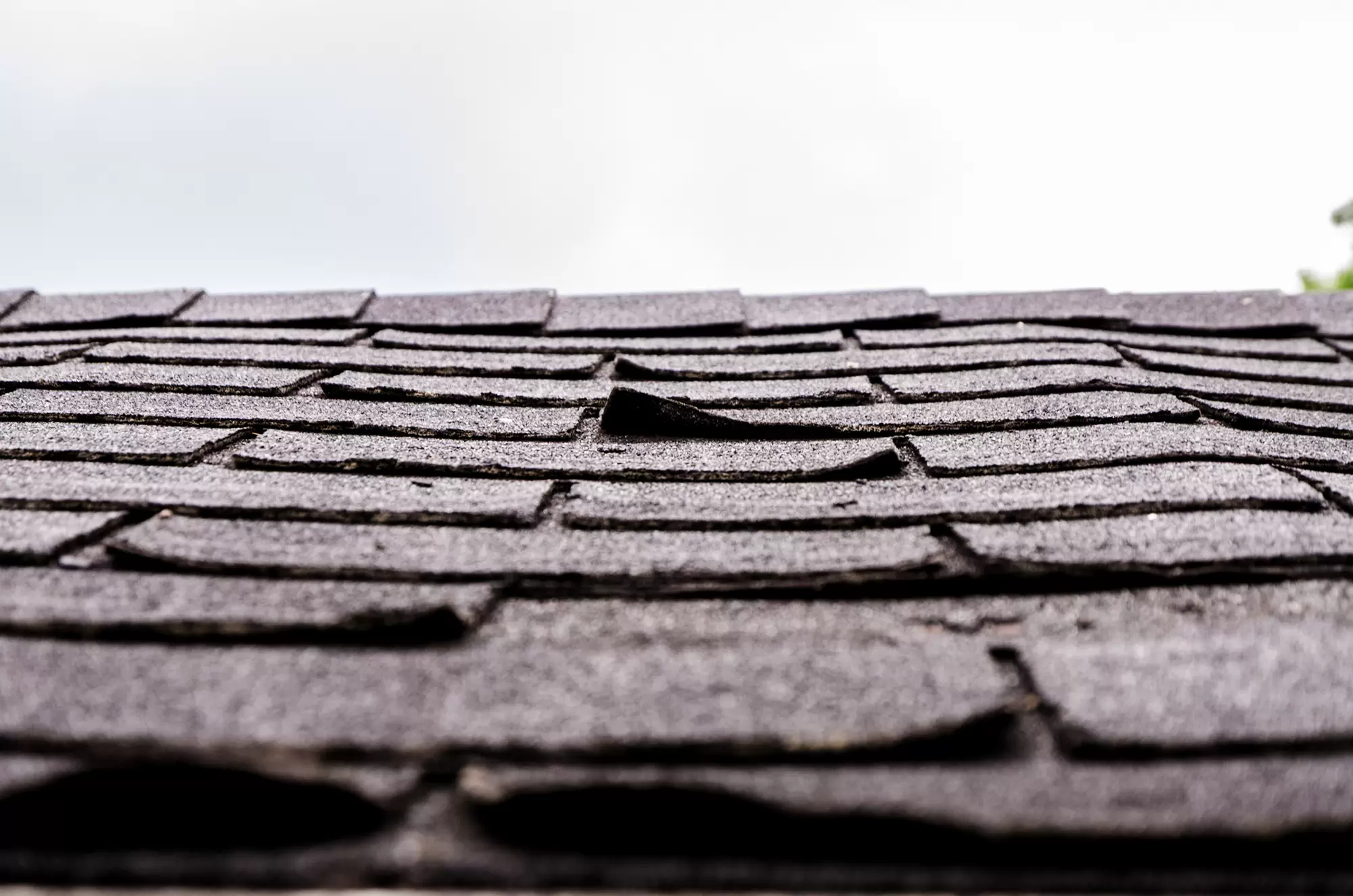
Shingles create the outer layer that helps shed water away from your home. When they begin curling at the edges, cracking, or pulling away from the roof, they may not provide the same level of protection.
Weather exposure can gradually contribute to this deterioration. Strong winds can also loosen or remove shingles, while temperature changes cause roofing materials to repeatedly expand and contract.
Look at your roof from a safe location on the ground and compare different sections. A few damaged shingles in one area may indicate a localized problem, while widespread curling or missing shingles can be one of the clearer signs you need a new roof.
Avoid climbing onto the roof to investigate. In addition to the risk of falling, walking on worn roofing materials can potentially cause additional damage.
What does granule loss tell you about your roof?
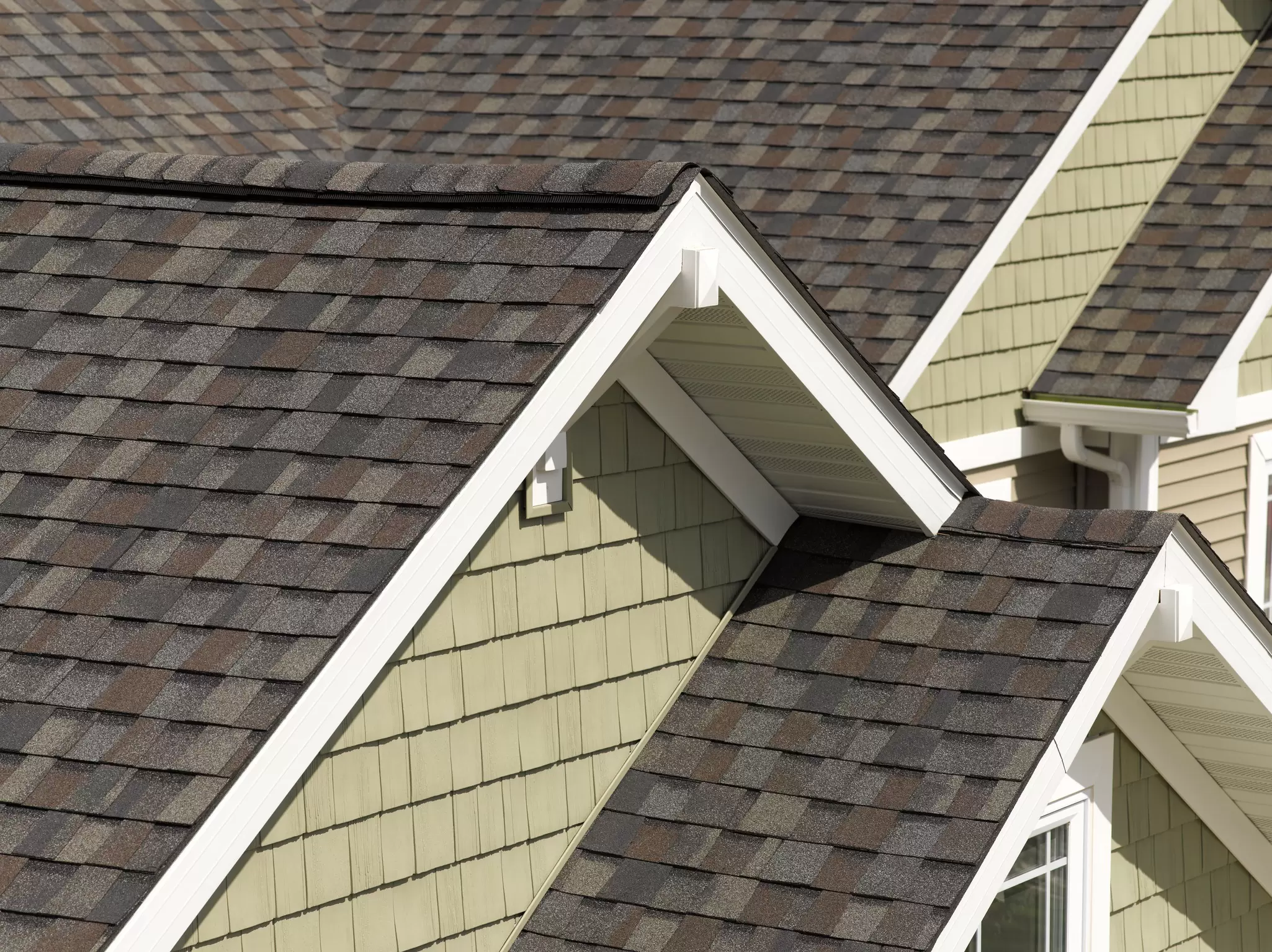
Asphalt shingles are covered with protective granules that help shield them from sunlight and weather exposure. Some granule loss is normal, particularly with a newer roof, but excessive loss can occur as shingles age and deteriorate.
You may notice granules accumulating in your gutters or near the bottom of downspouts. From the ground, worn shingles may also appear patchy or have areas where the underlying material is more visible.
Granule loss doesn't automatically mean the entire roof needs replacement. However, if it's widespread and accompanied by other signs of aging, it can provide another clue about the roof's overall condition.
Don't ignore signs of trouble inside your home
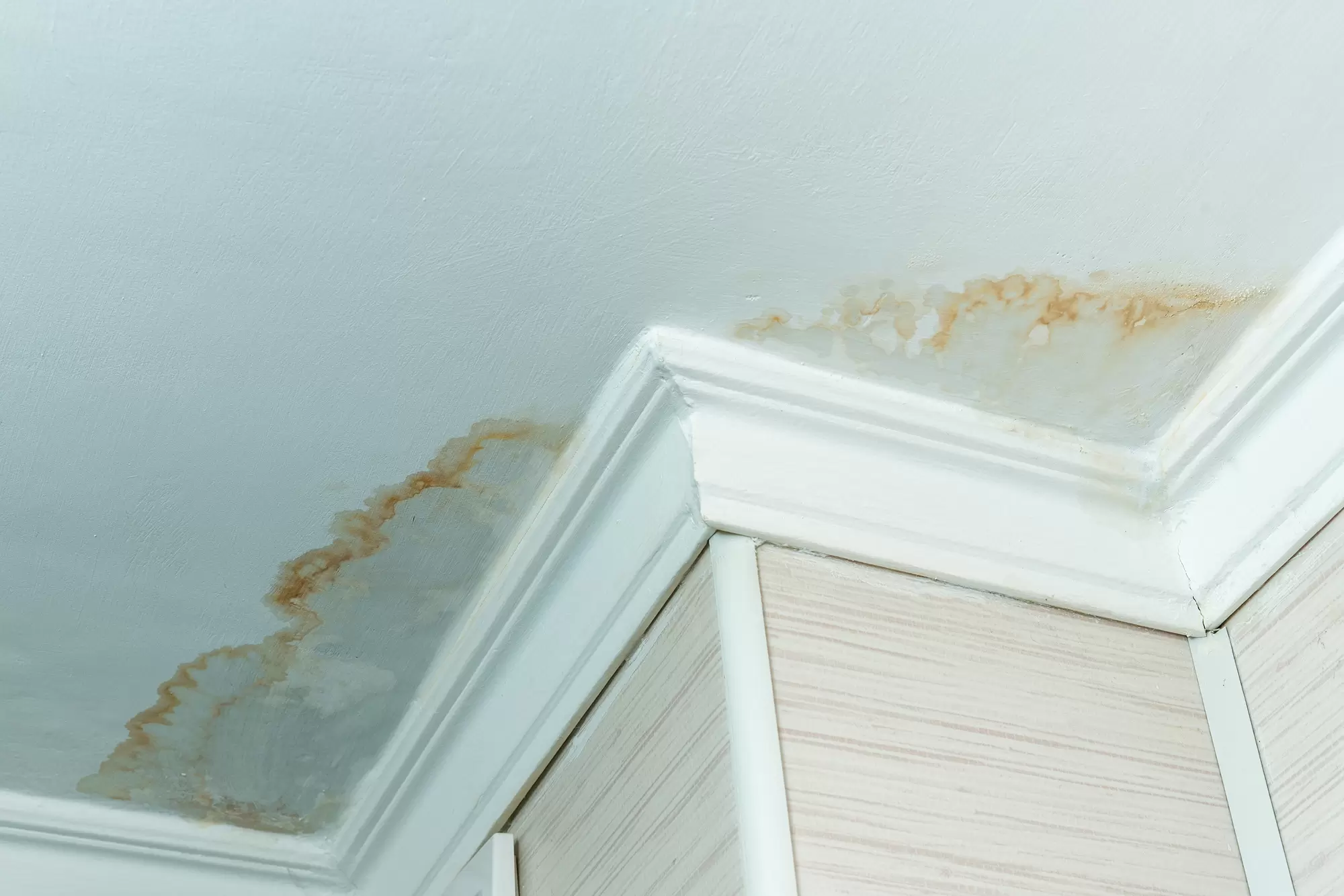
Not all roofing problems are easiest to spot outside. Your attic and living spaces can provide important clues that something is happening above them.
Check the attic periodically for damp insulation, water stains, musty odors, or visible light coming through areas where it shouldn't. Inside your living space, watch for unexplained stains or discoloration on ceilings and upper walls.
Water doesn't always travel straight down from the point where it enters the roof, so the location of an interior stain may not reveal exactly where the exterior problem is. That's one reason a professional assessment can be helpful when you suspect a leak.
Addressing moisture problems promptly is important. Even a relatively small opening in the roofing system can allow repeated exposure to rain and moisture if it isn't corrected.
Should you repair or replace your roof?
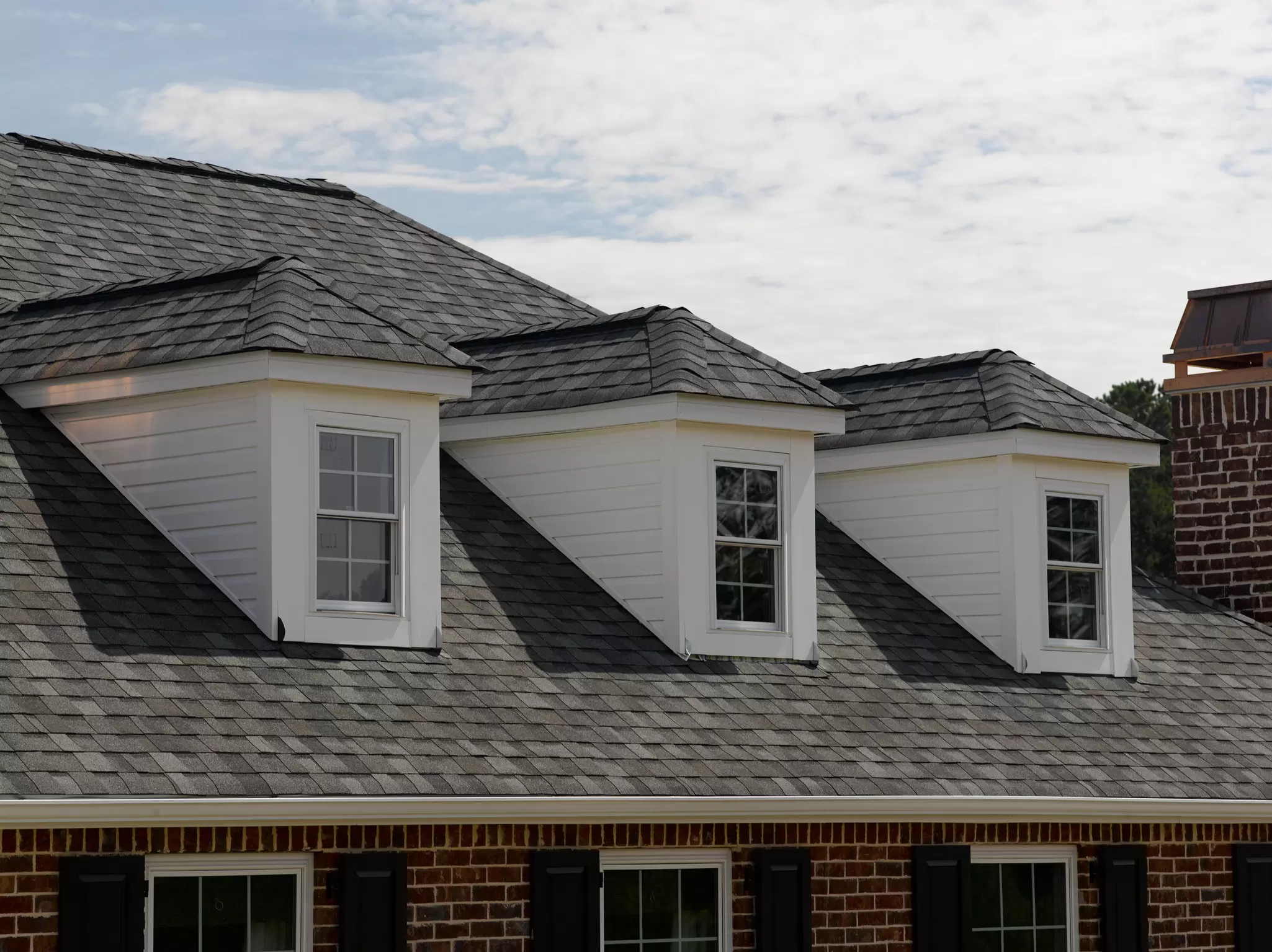
If you discover a problem, you may immediately wonder, “Should I repair or replace my roof?” The answer depends on the extent of the damage, the roof's age, and its overall condition.
A repair may make sense when damage is limited to a small area and the rest of the roof remains in good condition. For example, replacing several shingles damaged during a storm may be more practical than replacing a relatively young, otherwise sound roof.
Replacement becomes more worth considering when problems are widespread, the roof is approaching the end of its expected service life, or you find yourself paying for repeated repairs. Continually fixing individual problems on a deteriorating roof may provide only a temporary solution.
A roofing professional can evaluate the entire system rather than focusing only on the most visible problem. That can help you determine whether repair or replacement offers the better long-term solution for your home.
Why inspect your roof before winter?
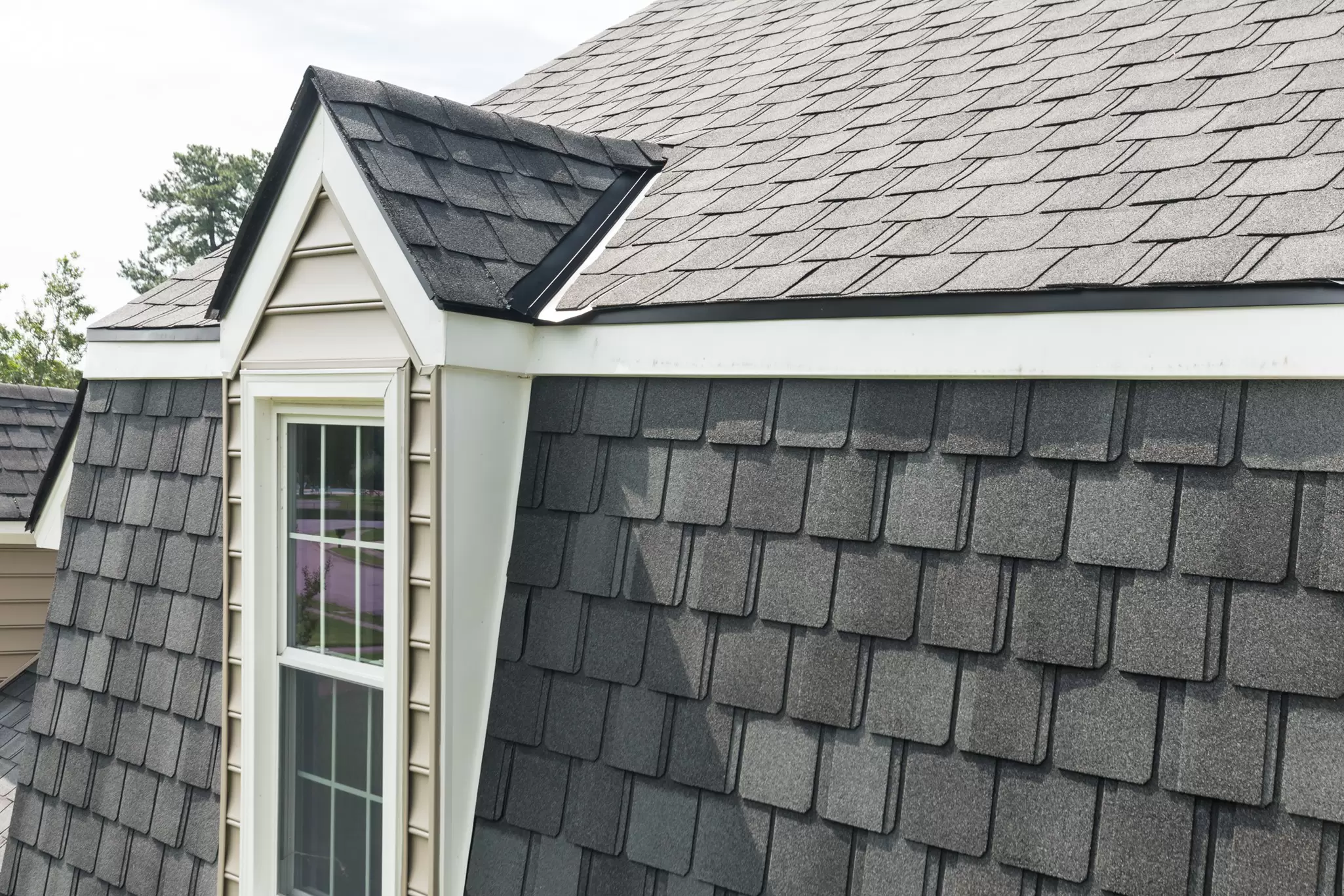
Fall offers a natural opportunity to evaluate your roof after the heat, thunderstorms, and severe weather that can occur during a North Carolina summer. It also gives you time to address potential problems before colder temperatures and winter precipitation arrive.
Small roofing issues don't necessarily stay small. A missing shingle, deteriorated flashing, or another opening can allow water into areas that should remain protected. Repeated temperature changes and winter weather can add stress to roofing materials that are already compromised.
Checking your roof before winter can also help you avoid discovering a problem at a less convenient time. If replacement is already becoming necessary, planning the project rather than waiting for an emergency gives you more time to understand your options.
What affects the cost of a new roof?
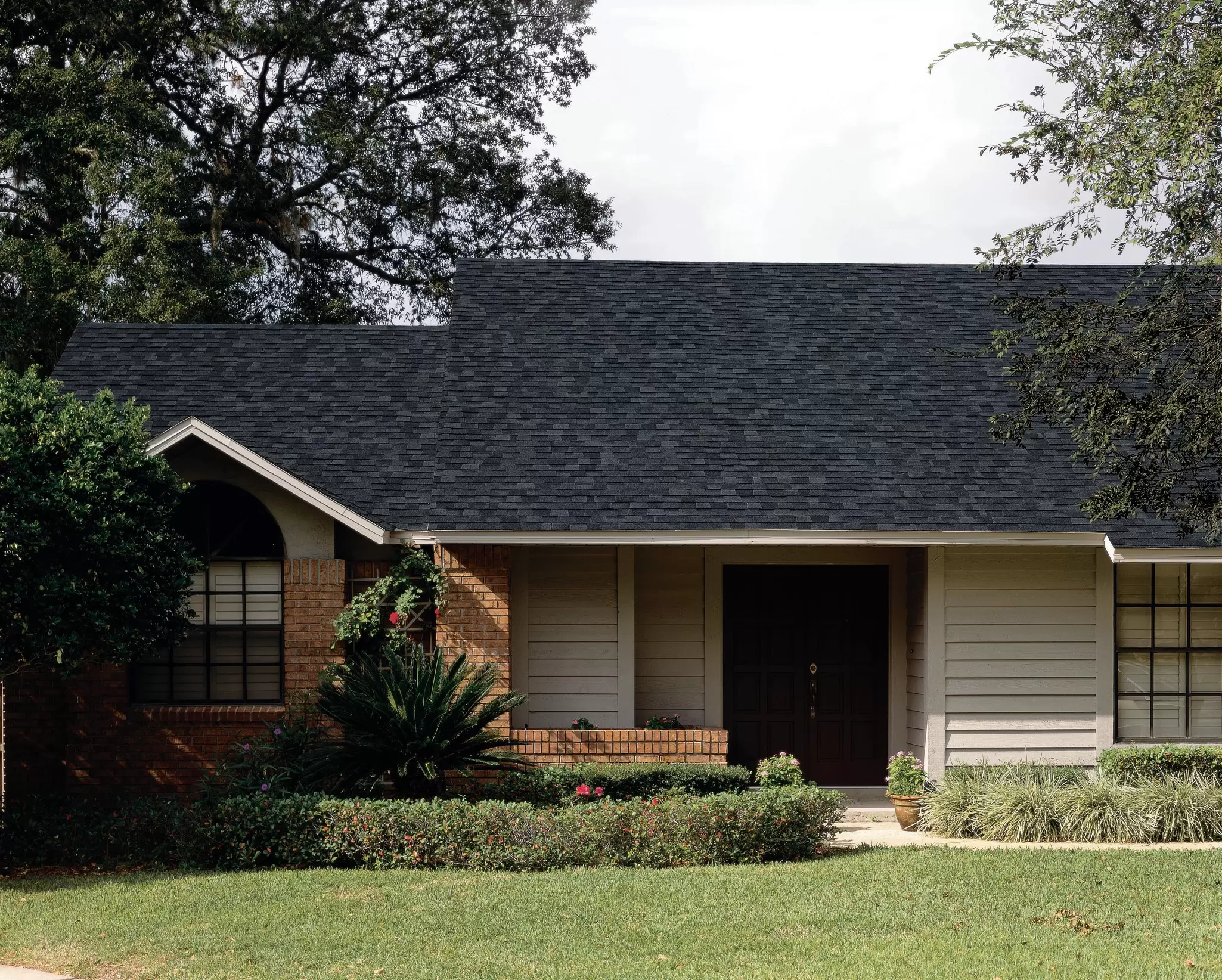
There's no single new roof cost that applies to every house. Several factors determine the final price of a roof replacement, which is why an estimate based on your specific property is more useful than a general figure.
Factors that can affect cost include:
- Roof size: Larger roofs require more materials and labor.
- Roof design: Steep slopes, multiple rooflines, and other architectural features can make installation more complex.
- Roofing materials: The type and specific product you choose affect material costs.
- Existing roof condition: Damage beneath the shingles may need to be addressed during replacement.
- Removal requirements: The amount and type of existing roofing material can influence the scope of the project.
- Additional components: Flashing, ventilation, underlayment, and other parts of the roofing system may factor into the project.
Rather than choosing a roof based solely on the lowest initial price, consider the complete roofing system, installation quality, warranty coverage, and expected performance. If budget is a concern, ask about our financing options.
Don't wait for a leak to think about your roof
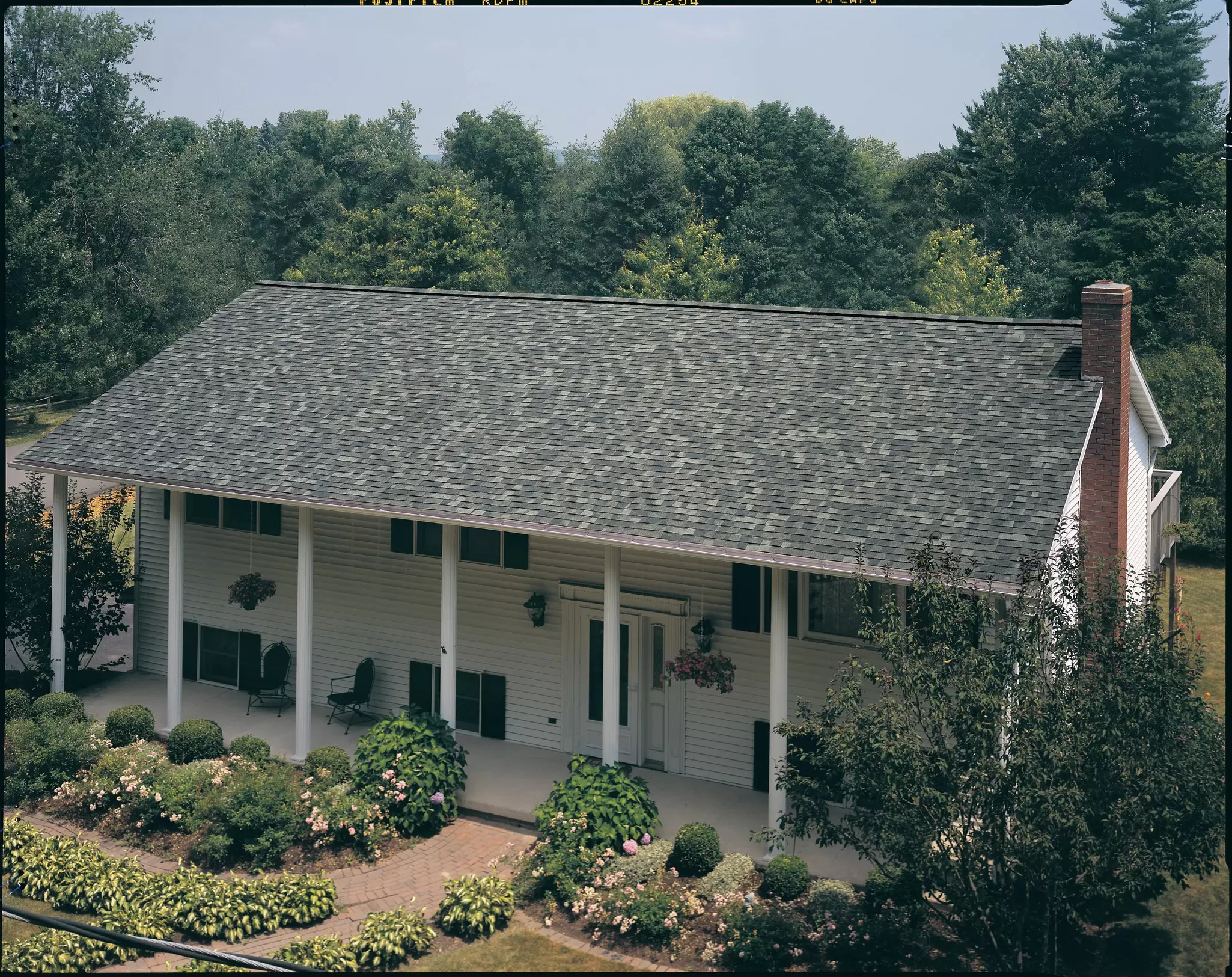
Knowing how to tell if your roof needs replacing can help you address problems before an obvious leak turns roofing maintenance into an emergency. Age, missing or curling shingles, excessive granule loss, interior moisture, and widespread wear can all provide clues that it's time for a professional evaluation.
Window World of the Triad offers roofing services for homeowners throughout the Piedmont Triad. Our team can assess your roof's condition and help you determine whether replacement is the right next step for protecting your home.
Concerned about the condition of your roof? Contact Window World of the Triad today to schedule a free in-home estimate.