


 Back to Blogs
Should You Choose French or Sliding Patio Doors?
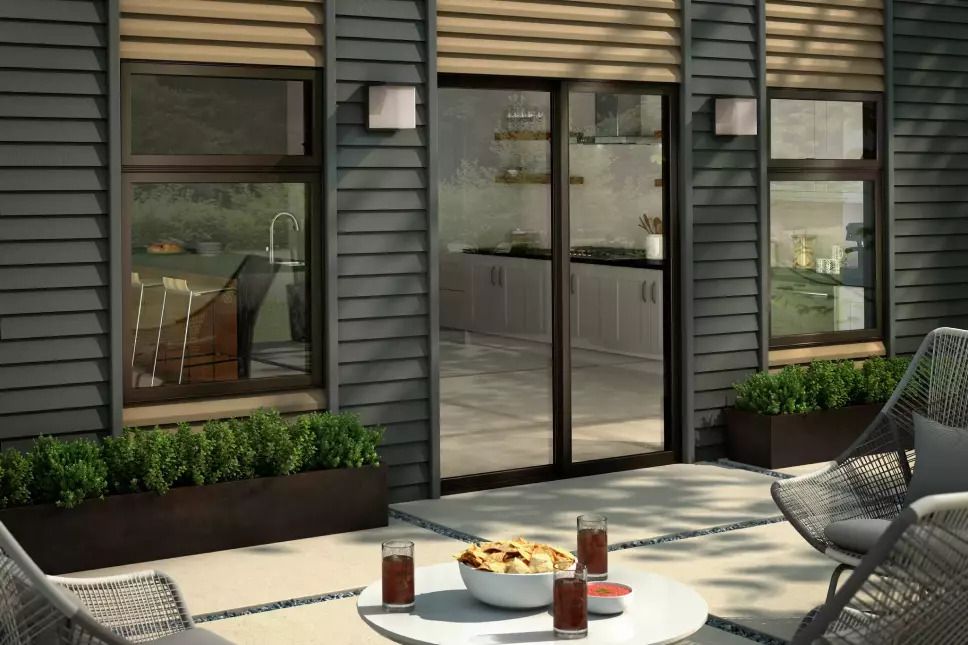
Sliding patio doors and French patio doors are both popular for the same reasons – lots of glass, a strong indoor-outdoor connection, and the ability to open up a room in a way that a standard exterior door just can’t. But put them side by side and they make pretty different promises, and choosing the wrong one for your space is the kind of thing you notice every single day.
The honest answer to "which is better" is that it depends on factors like your floor plan, your home's architecture, how you use the space, and what you actually want the door to do. This breakdown covers everything that matters, so you can make the call with confidence and stop second-guessing yourself before the project even starts. Let’s dive in!
What's the difference between sliding and French patio doors?
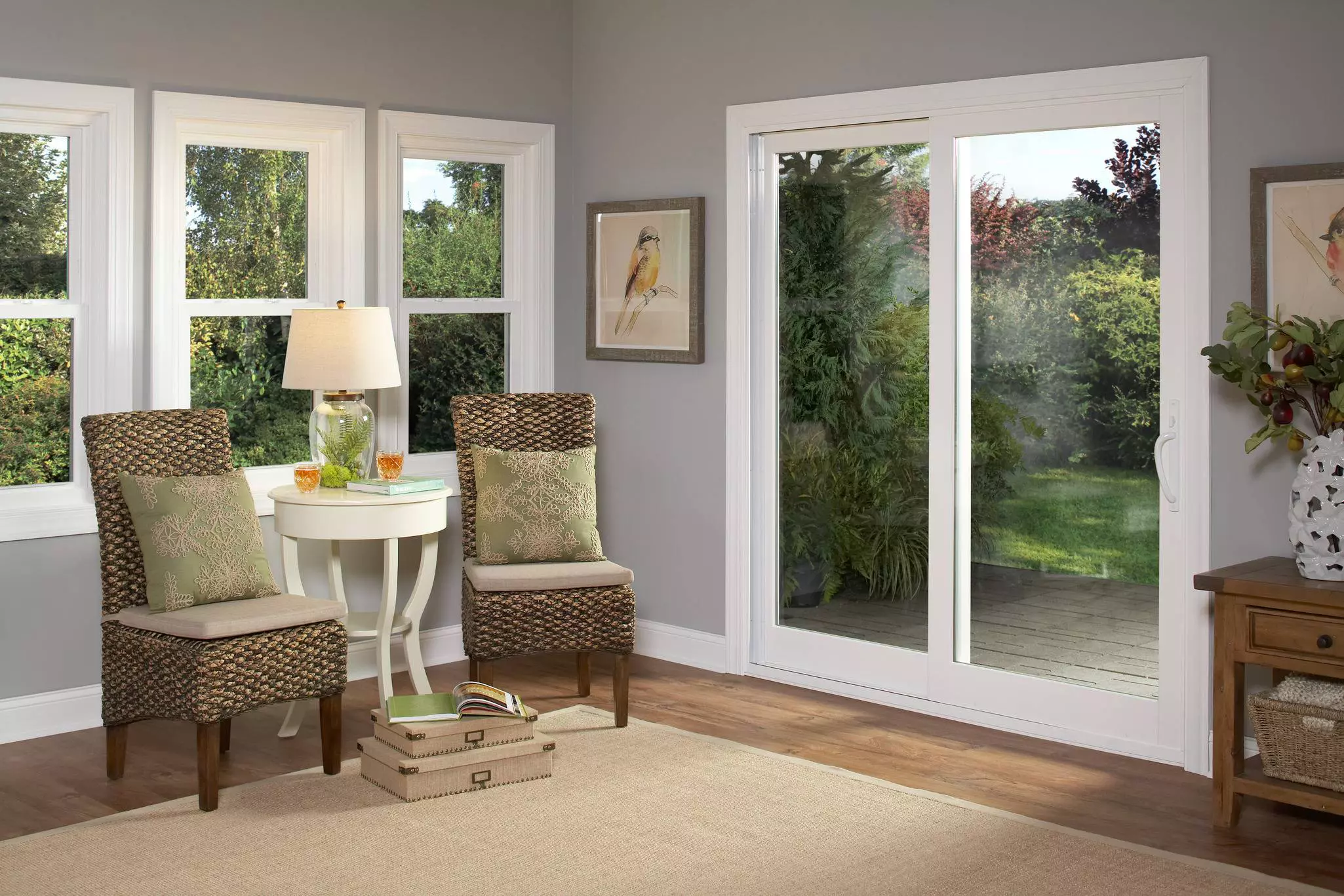
If you're not entirely sure what the difference is between sliding patio doors vs. French doors, well, here's the quick version.
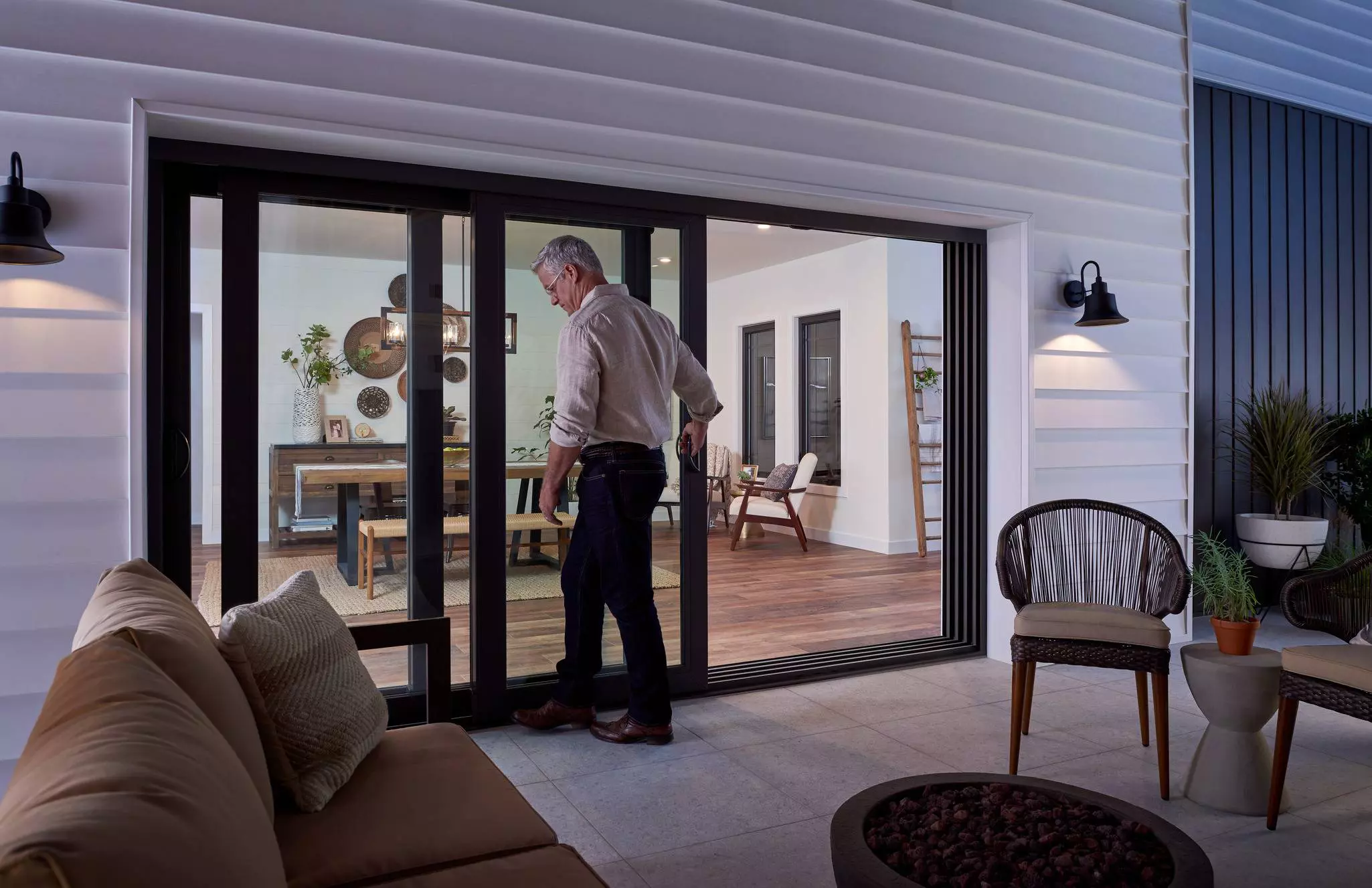
Sliding patio doors use one fixed panel and one or more additional panels that glide horizontally along a track. They don't swing at all – instead, the moving panel slides behind the fixed one to open. The result is a door that requires no clearance on either side, keeps its footprint contained to the frame, and tends to maximize glass area for a clean, wide view.
French doors are hinged panels – typically two – that swing open. They can swing outward onto the patio, inward into the room, or one panel each way, depending on the configuration. When both panels are fully open, the entire door width is clear. When they're closed, they meet in the center with a locking point between them.
Both styles come in a range of sizes, glass configurations, and frame materials. Therefore, picking between them is usually more of a style and function decision than a budget or quality decision. Now, let’s take a look at some of the most important ways these door types compare.
Space and layout considerations for French and sliding patio doors
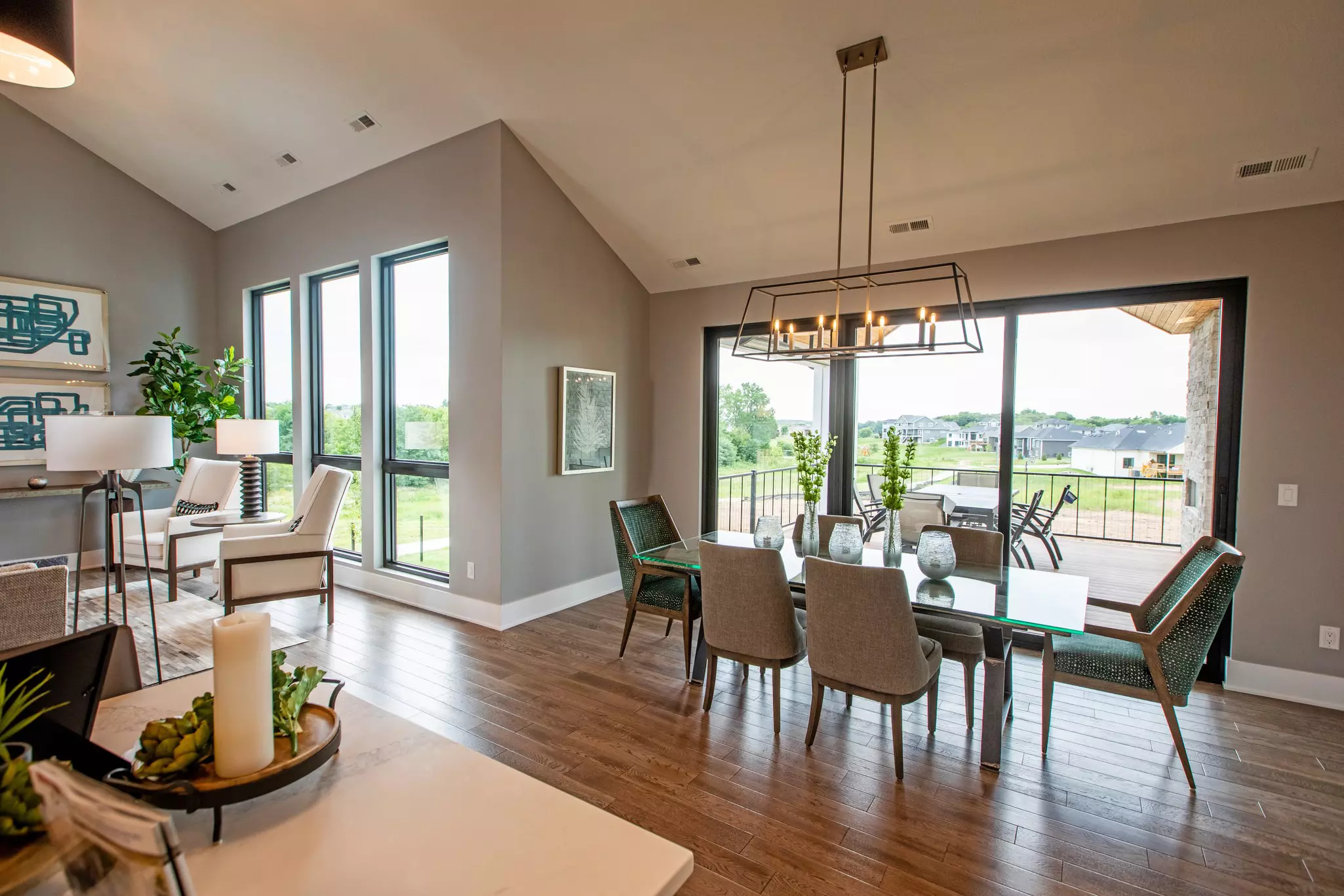
Before you fall in love with one style of replacement patio door, take a hard look at your floor plan. For a lot of homeowners in our area, the space question answers the style question before anything else does.
How sliding patio doors handle space
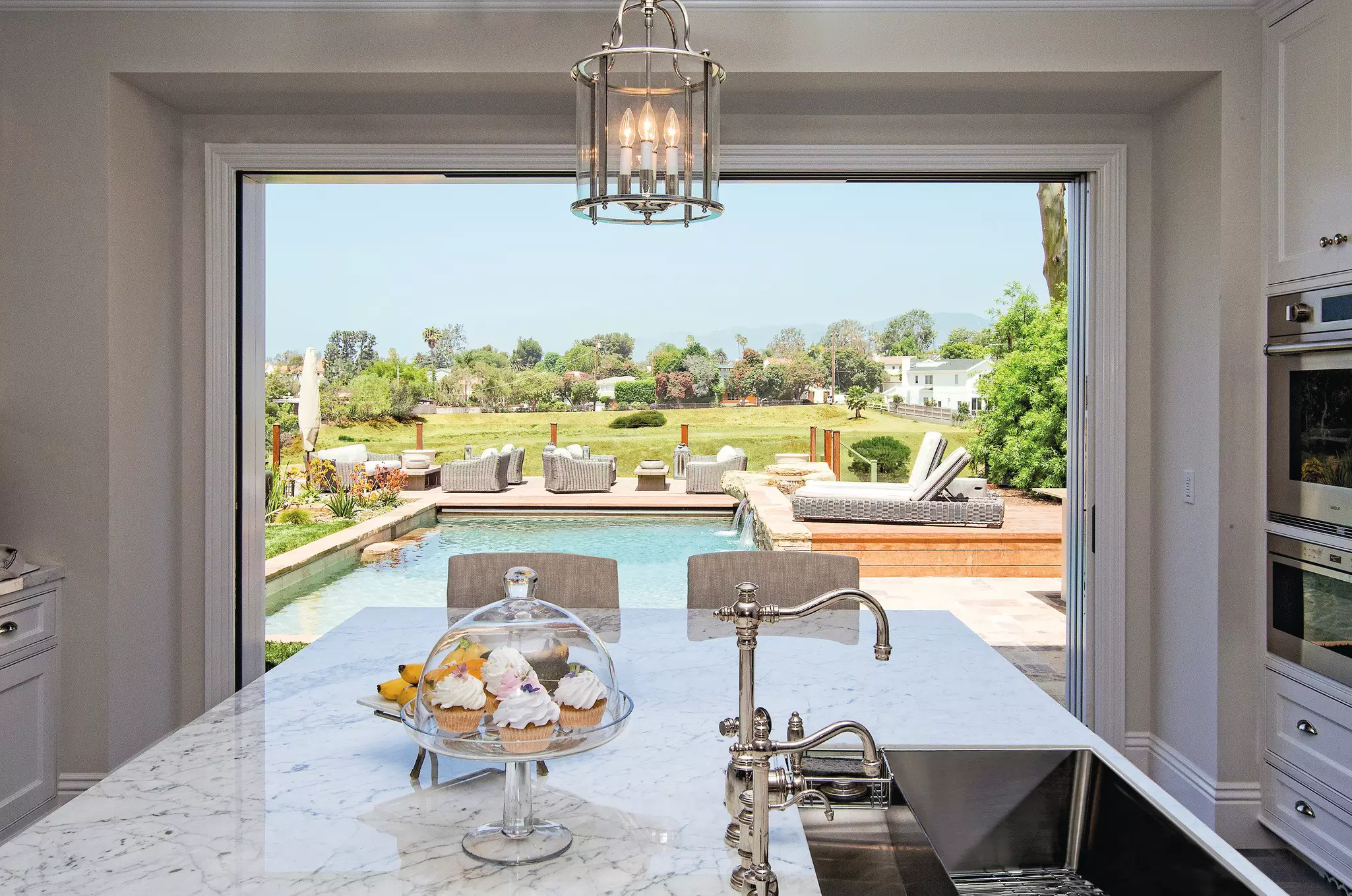
Sliding doors glide along a track with zero swing clearance required. The full floor space on both sides of the door stays usable – furniture can sit close, a deck or patio can press right up to the threshold, and nothing gets in the way when the door opens. That makes sliding patio doors a natural fit for tighter living rooms, breakfast nooks, and any space where square footage is at a premium or the exterior landing is compact.
How French doors handle space
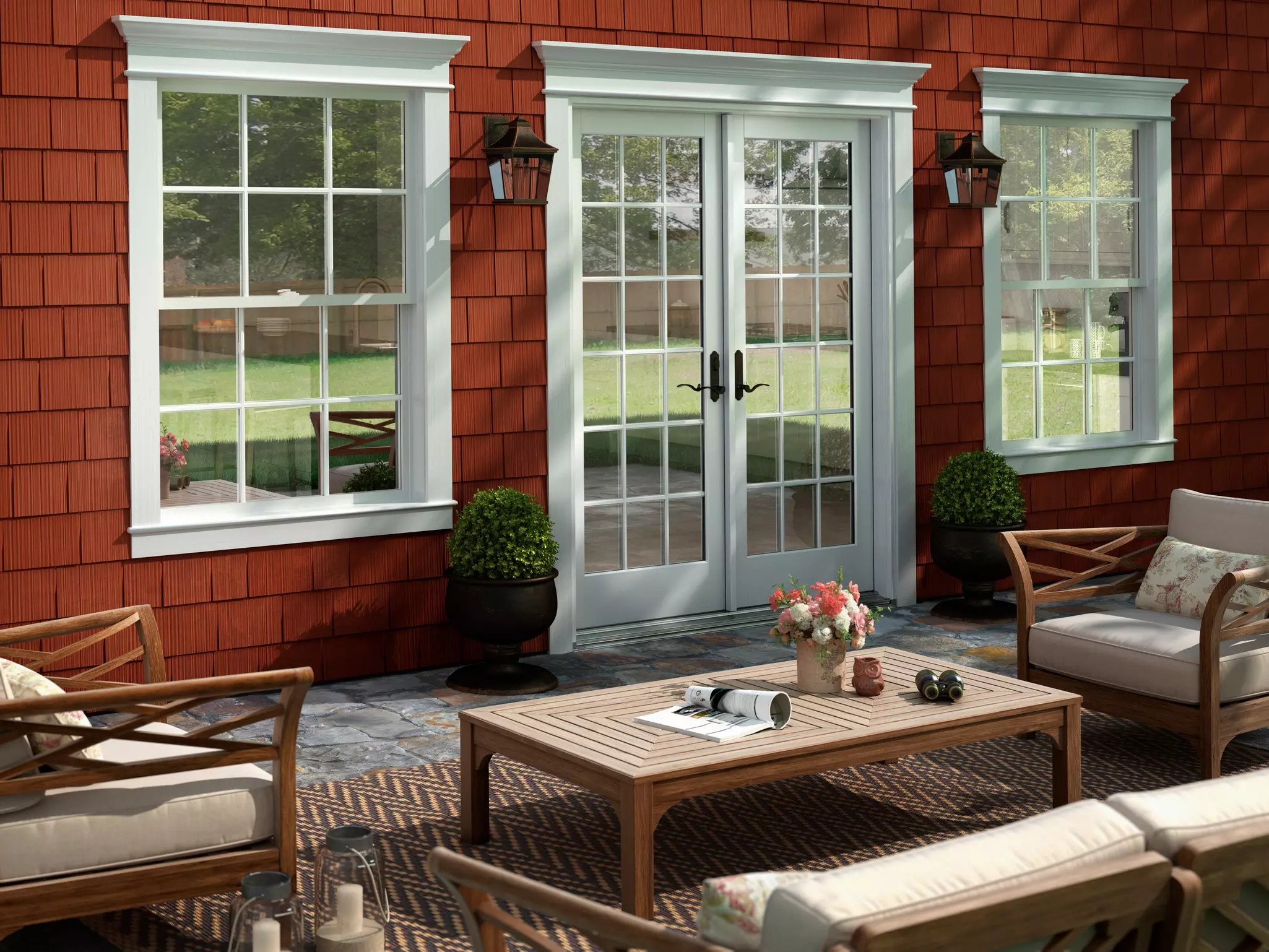
French doors need room to swing, typically two to three feet of clearance (depending on the door width) either into the room, out onto the patio, or split between both. Outward-swinging French patio doors solve the interior clearance problem but require open space immediately outside the door. Inward-swinging doors preserve the patio but eat into the room’s living space.
In a spacious dining room or a generous open-plan layout, swing clearance is rarely a practical concern. In a tighter space, though, it's a real constraint you should map out with a tape measure before you commit.
Comparing sliding and French patio doors: natural light and views
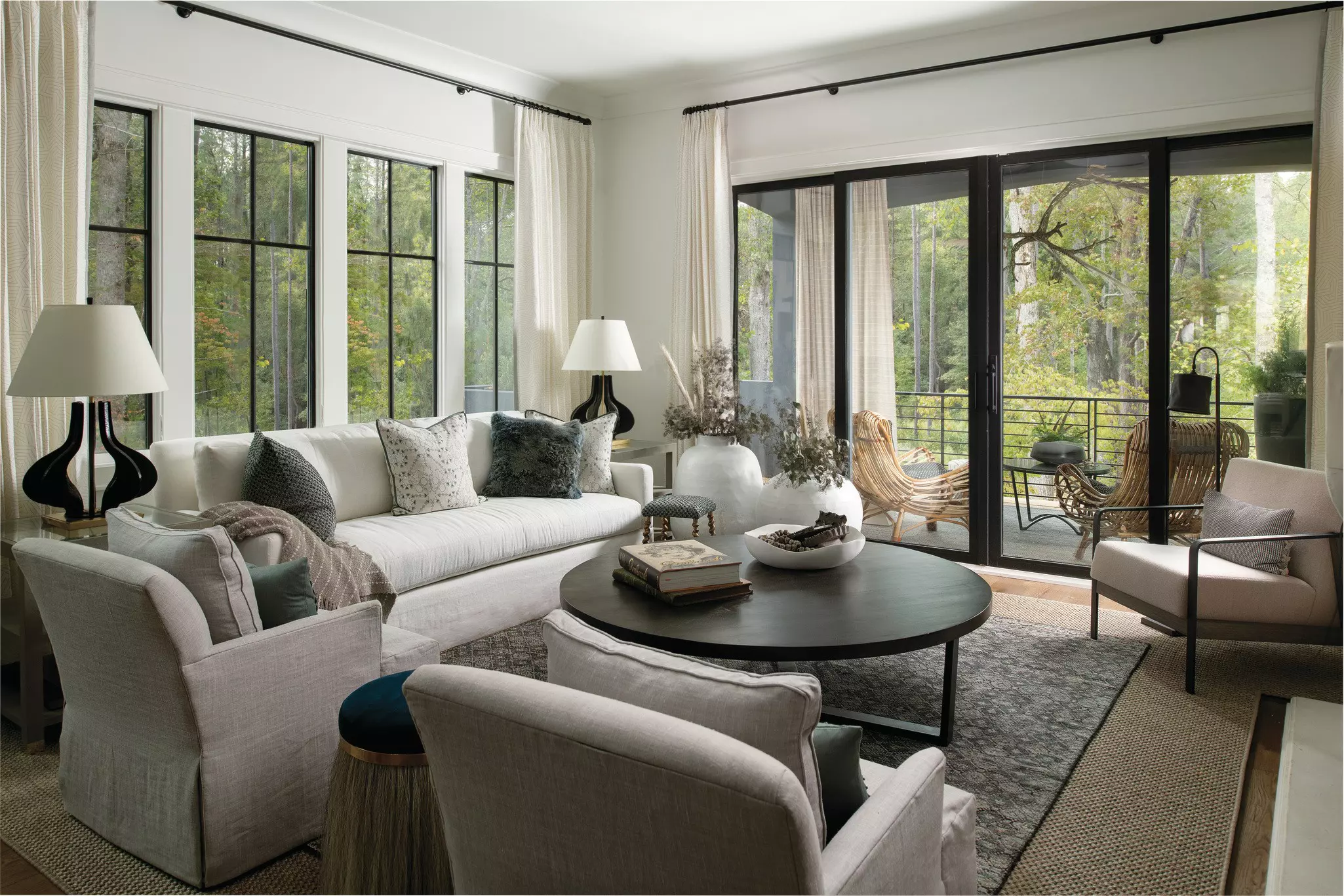
Both patio door styles use large glass panels and bring in substantial natural light. On that front, neither is a bad choice. But there are differences to keep in mind if the view is important to you.
Sliding doors tend to have a high glass-to-frame ratio with wide, unobstructed panes that create a clean visual connection to the outside. The fixed panel is always fully transparent, and the overall effect is a broad, continuous window onto the backyard.
French doors introduce a center meeting point where the two panels close together, which creates a slight visual interruption compared to a single expanse of glass. It's a minor difference in most rooms, but in a home with a particularly beautiful backyard – mature trees, a garden, a pool – the sightline distinction could be a deciding factor.
Comparing ventilation options
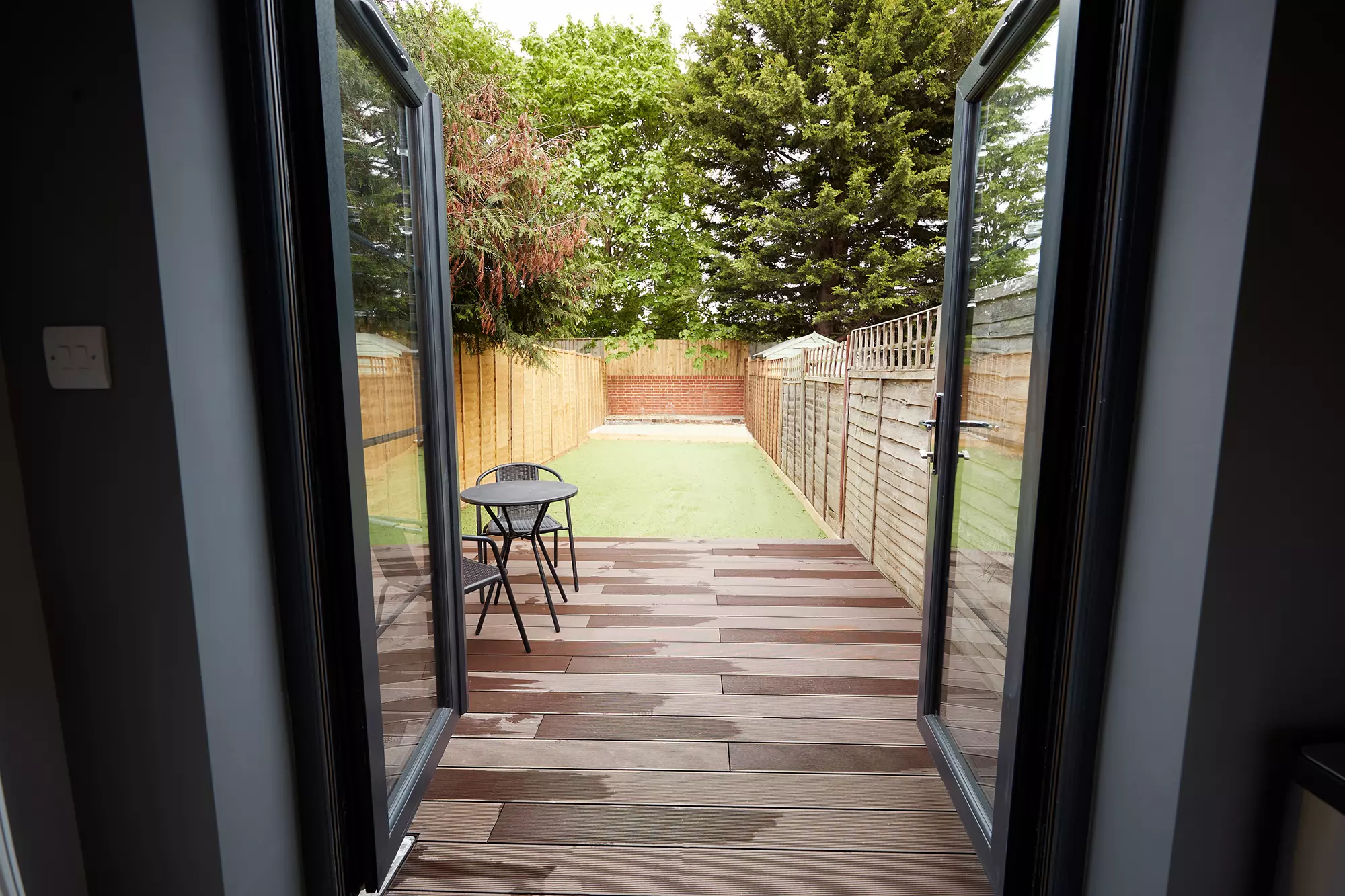
French doors open the full width of the door frame when both panels are swung back, offering maximum airflow with no restrictions. In the Triad's warm, humid summers, when a cross-breeze through the back of the house is one of the best feelings there is, that full opening matters.
Standard sliding patio doors open only half the frame width at a time – one panel slides behind the other, so you're working with half the potential airflow for the same frame size. That's still decent ventilation, but it's a big difference compared to a fully open French door.
At Window World of the Triad, we carry premium multi-panel patio door configurations – lift & slide and multi-slide doors – that can open significantly more of the frame than a standard two-panel sliding door. For residents in our area who love sliding patio doors but want to maximize airflow, those configurations can seriously close the gap.
Comparing aesthetic and design fit
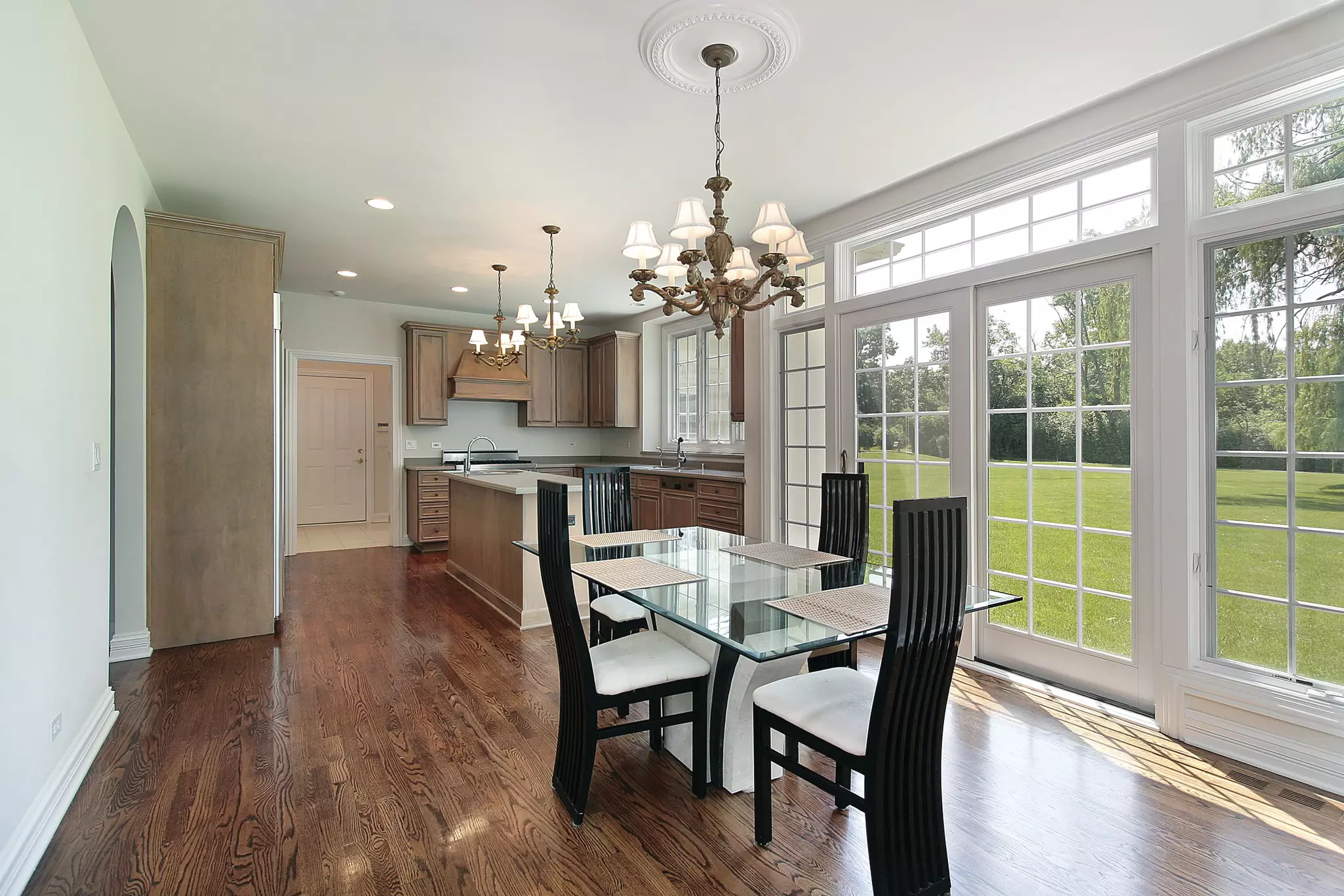
For a lot of homeowners, how a door looks – especially compared to the rest of the house – is the most crucial factor, and for good reason! A patio door is one of the most prominent features in a home's main living space, so it should look right from day one.
The case for French doors
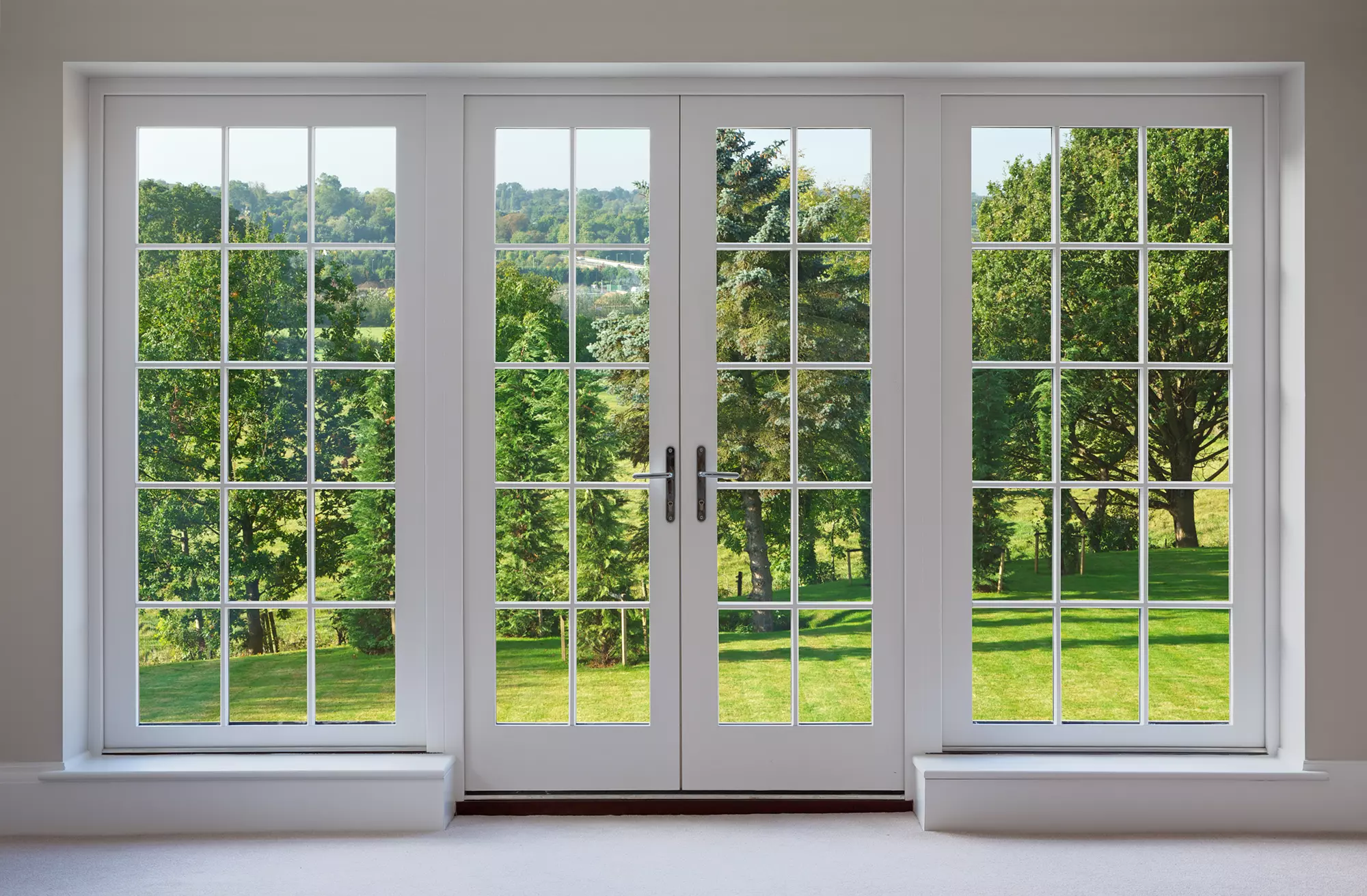
French doors have a warmth and architectural presence that's hard to replicate with a sliding panel. Maybe that’s because they look formal without being stiff – they’re the kind of feature that suits colonial, craftsman, transitional, and traditional homes very naturally. The hinged design feels more like a door and less like a wall of glass, which gives a room a sense of entry and arrival that many homeowners find more inviting than a sliding panel.
French patio doors are also highly customizable, with grille patterns, frame colors, and hardware finishes that can be coordinated with the home's existing windows and trim for a cohesive, intentional look throughout the exterior.
The case for sliding patio doors
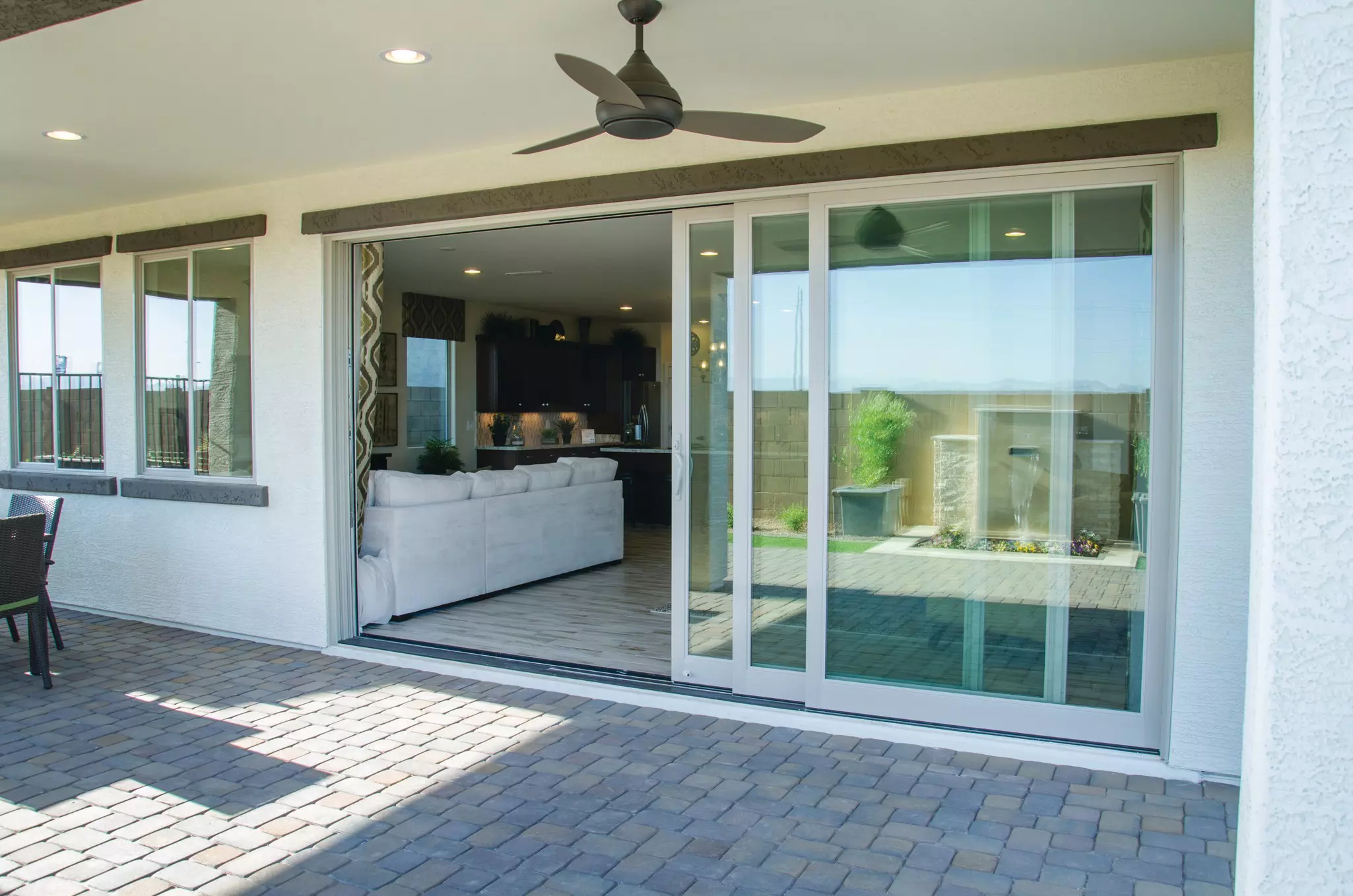
Sliding doors are clean, contemporary, and minimal in the best possible way. They suit modern, transitional, and ranch-style homes particularly well, and the wide, low-profile glass expanse does something French doors don't quite achieve – it dissolves the boundary between inside and outside rather than framing it. In an open-plan living space where the goal is a seamless indoor-outdoor flow, that quality is genuinely valuable.
If your home leans modern or you've been gravitating toward cleaner, less ornamented design choices throughout a renovation, sliding patio doors are likely the more natural fit.
Are sliding doors or French doors more energy efficient?
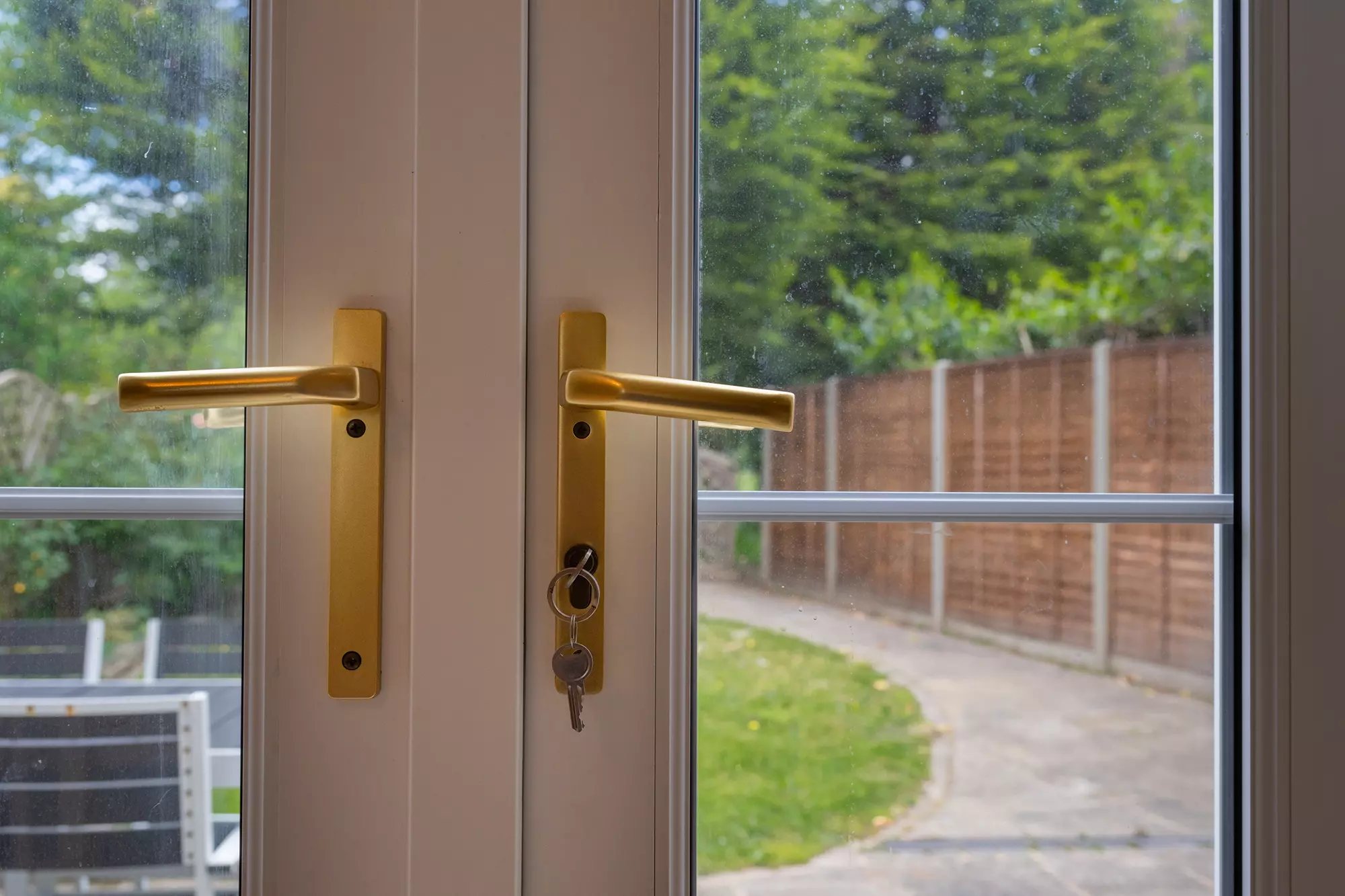
Let’s clear up a common misconception: French doors are not inherently less energy efficient than sliding doors. The center seam where the two panels meet is often cited as a weak point, but in a well-manufactured door with quality weatherstripping, it's engineered to seal properly.
Sliding patio doors have their own sealing considerations – for example, the track along the bottom and the side jambs need to seal consistently, and lower-quality products can develop air leakage along the track over time.
In both cases, the energy performance of the door comes down to the quality of the frame, the glass package, and the installation, not the style. Both sliding and French patio doors are available with ENERGY STAR rated glass, and in our climate – hot humid summers, mild winters – Low-E glass with argon fill is the right spec for either option.
Bottom line? Don't let energy efficiency be the tiebreaker between these two styles.
Cost of French doors vs. sliding patio doors

Standard sliding patio doors and standard French patio doors in comparable sizes and materials land in similar price territory. Therefore, this isn't a category where one style carries a systematic premium over the other at the baseline level.
Where cost diverges is in premium configurations. Multi-slide systems, lift & slide doors, and oversized French door setups all carry meaningfully higher price tags than a standard two-panel door in either style. That’s because they're larger, more complex products with more hardware and more glass. Installation cost is also comparable for both styles in standard configurations; complex or oversized openings add labor regardless of which direction you go.
The big takeaway is that at the standard level, budget alone shouldn't drive the decision between sliding and French. Choose based on fit, function, and aesthetics, then find the right product within your budget.
Are sliding or French patio doors harder to maintain?
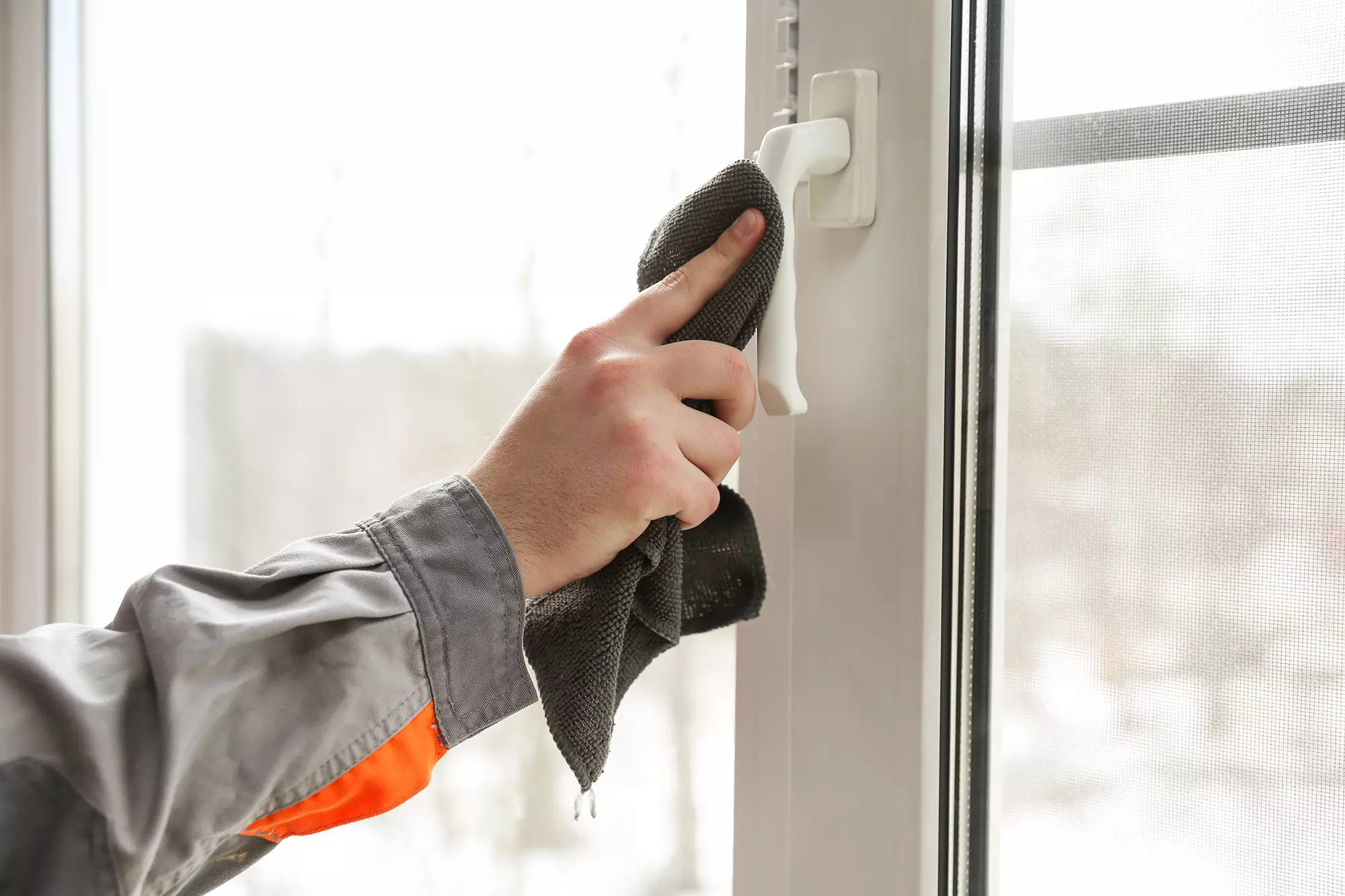
For sliding doors, the track is the main thing to stay on top of. It collects dirt, debris, and the occasional wayward leaf, and a dirty track makes the door harder to operate and can accelerate wear on the rollers over time. Periodic cleaning and occasional roller replacement are the primary maintenance tasks.
For French doors, on the other hand, hinges and weatherstripping are the main considerations. Outward-swinging doors expose hardware to the elements more than inward-swinging or sliding configurations, so hinges and exterior hardware are worth inspecting periodically. The center weatherstripping seal should be checked over time to make sure it's holding properly.
Both styles in quality vinyl frames require minimal upkeep compared to wood – no painting, no sealing, no worrying about rot or warping through a humid summer. Neither style has a meaningful maintenance advantage over the other. It really comes down to which task you'd rather do: wipe out a track or check a hinge.
So which patio door should you choose?
If you've read this far and still feel like it could go either way, here are a few helpful pointers.
- Choose a sliding patio door if: your layout is tight and swing clearance is a genuine concern, you prefer a clean modern aesthetic, indoor-outdoor flow and a wide unobstructed view are priorities, or you're working with a narrower opening where French doors would feel cramped.
- Choose French doors if: you have the space for the swing and want to use it, your home has traditional or craftsman architecture that French doors complement naturally, maximum ventilation with both panels fully open matters to you, or you want a door that makes more of a design statement in the room.
And if you're genuinely torn after all of that, seeing both options in person tends to settle it faster than any amount of online research.
Find your perfect patio door at Window World of the Triad
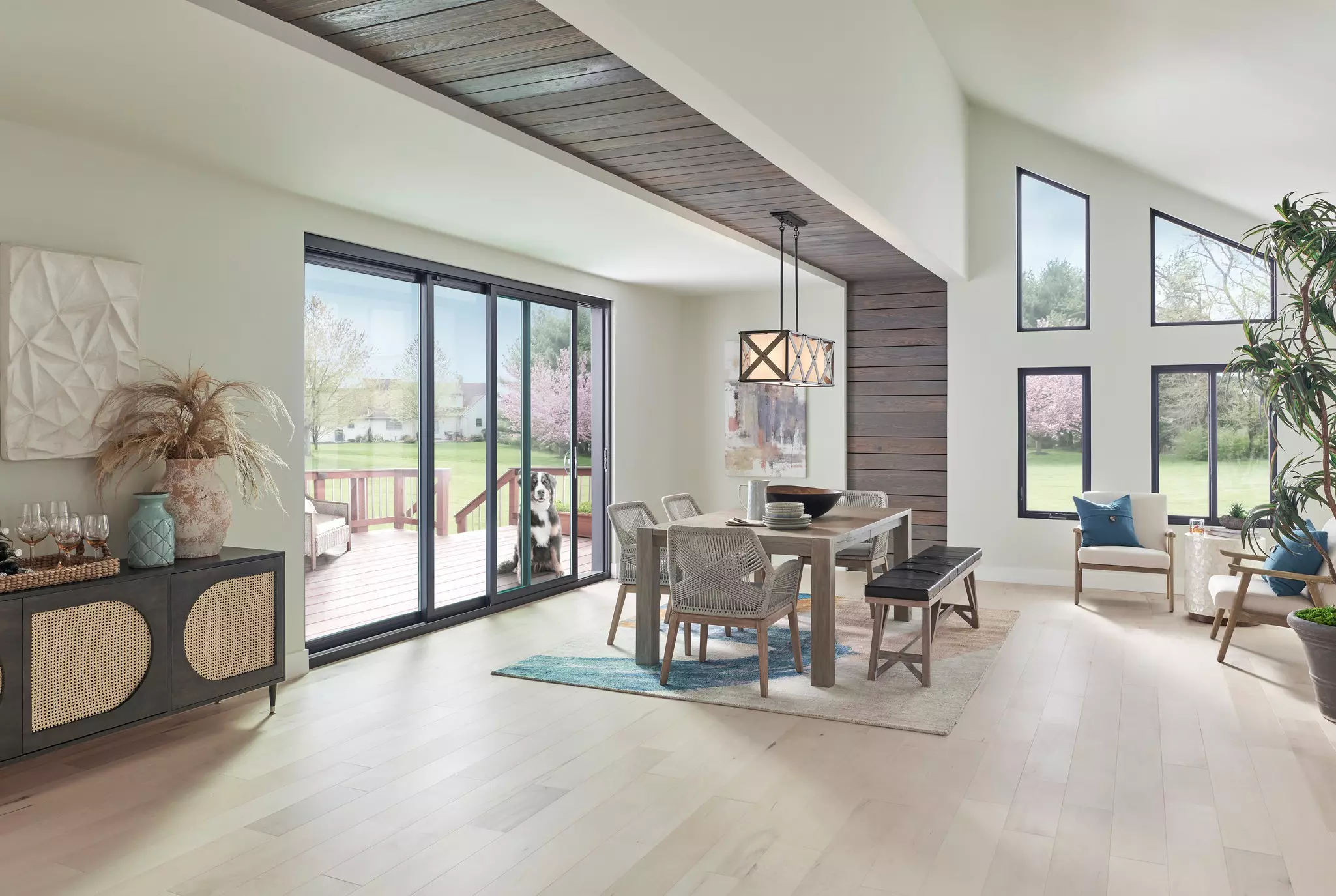
Window World of the Triad carries both sliding patio doors and hinged patio doors, along with premium configurations including bi-fold, lift & slide, and multi-slide options for homeowners who want to go beyond the standard two-panel format. All of our patio doors are available with ENERGY STAR-rated glass and backed by a lifetime limited warranty – built to handle whatever a humid summer or a surprise January ice storm throws at them.
Our Winston-Salem showroom has both styles on display, and our design consultants can help you work through the layout and function questions that are hard to answer from a screen. Ready to find the best patio door for your home? Request your free in-home consultation, and let's figure it out together.