


 Back to Blogs
The Best Energy-Efficient Siding Options for Homes
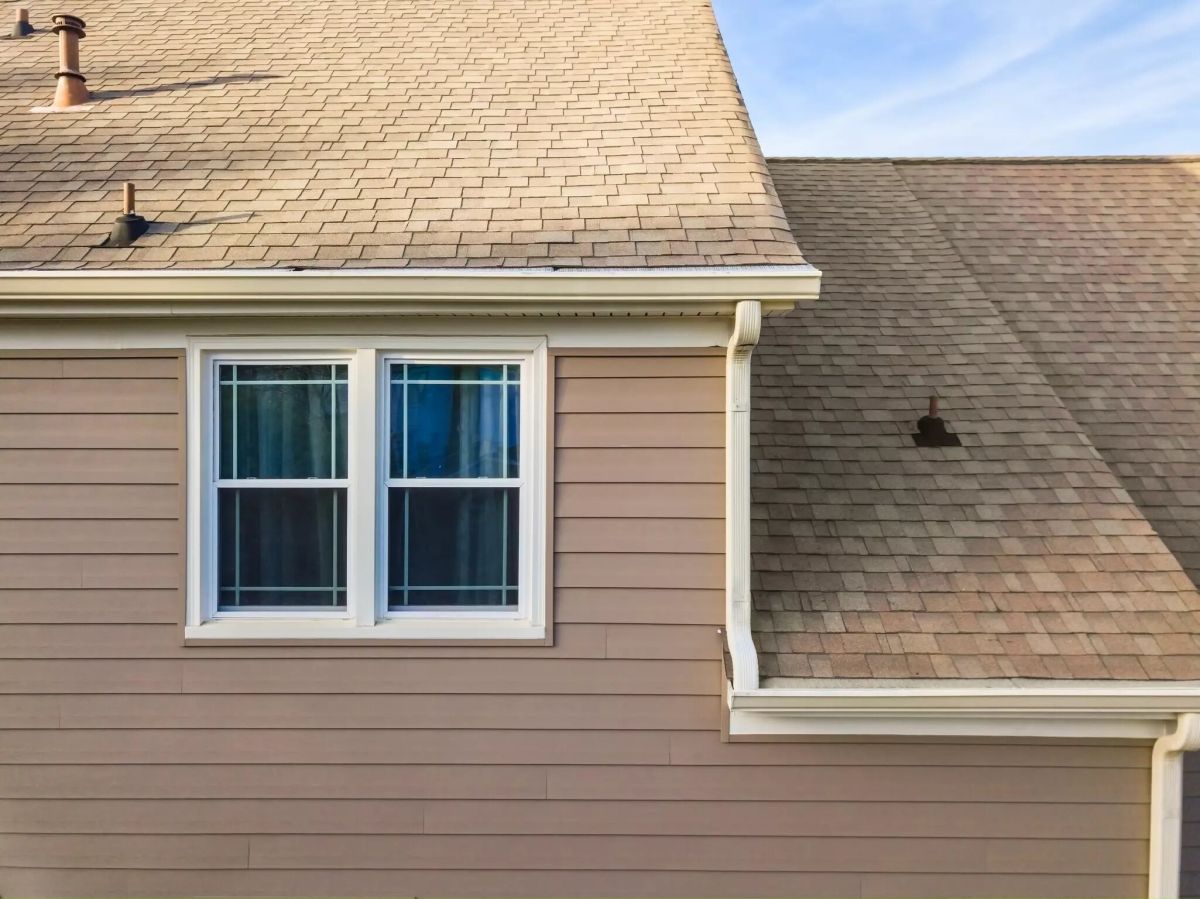
Improving the efficiency of your home is a top priority for many homeowners, and it’s easy to understand why – who doesn’t want better indoor comfort and lower bills? If you’ve already sealed all the air leaks and installed more high-efficiency appliances, swapping out your old siding for new siding is another smart way you can boost your home’s energy efficiency.
Siding comes in a wide range of materials, including wood, vinyl, and cement. And for the best insulation effect, you’ll need to consider which option is best for you. In this guide, we’ll cover the ideal types of siding to improve energy efficiency in your home. Let’s dive in!
How is siding considered energy efficient?
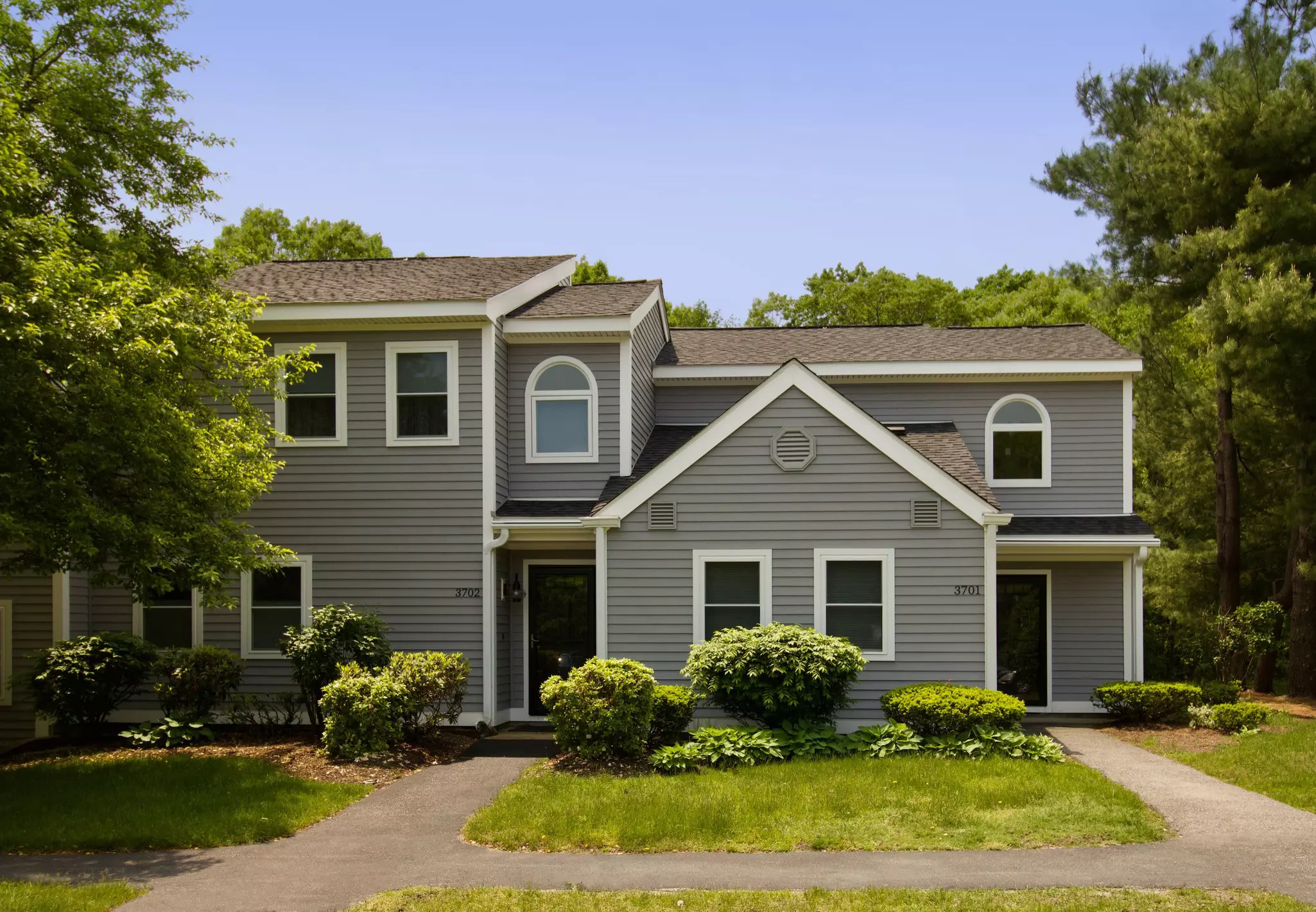
Think of your home’s siding like a protective barrier that keeps your space safe from winds, rains, and anything else nature throws your way. The better that barrier is, the better it can improve your home’s energy efficiency. Here are some specific ways that siding maximizes your home’s thermal regulation and indoor comfort, plus saves you money over time.
Siding adds to your home’s insulation
It’s all thanks to how thermal barriers work. The three basic mechanics of insulation are conduction, convection, and radiation:
- Conduction is how heat moves through materials that are in direct contact.
- Convection is how heat disperses through the air.
- Radiation is the transfer of heat in straight lines through space.
Essentially, insulation creates a barrier that slows down the transfer of heat and cold, keeping your home warm in the winter and cool in the summer. Building materials like fiberglass and foam insulation help to keep the temperatures regulated in your home throughout the year.
Energy-efficient siding lowers utility bills
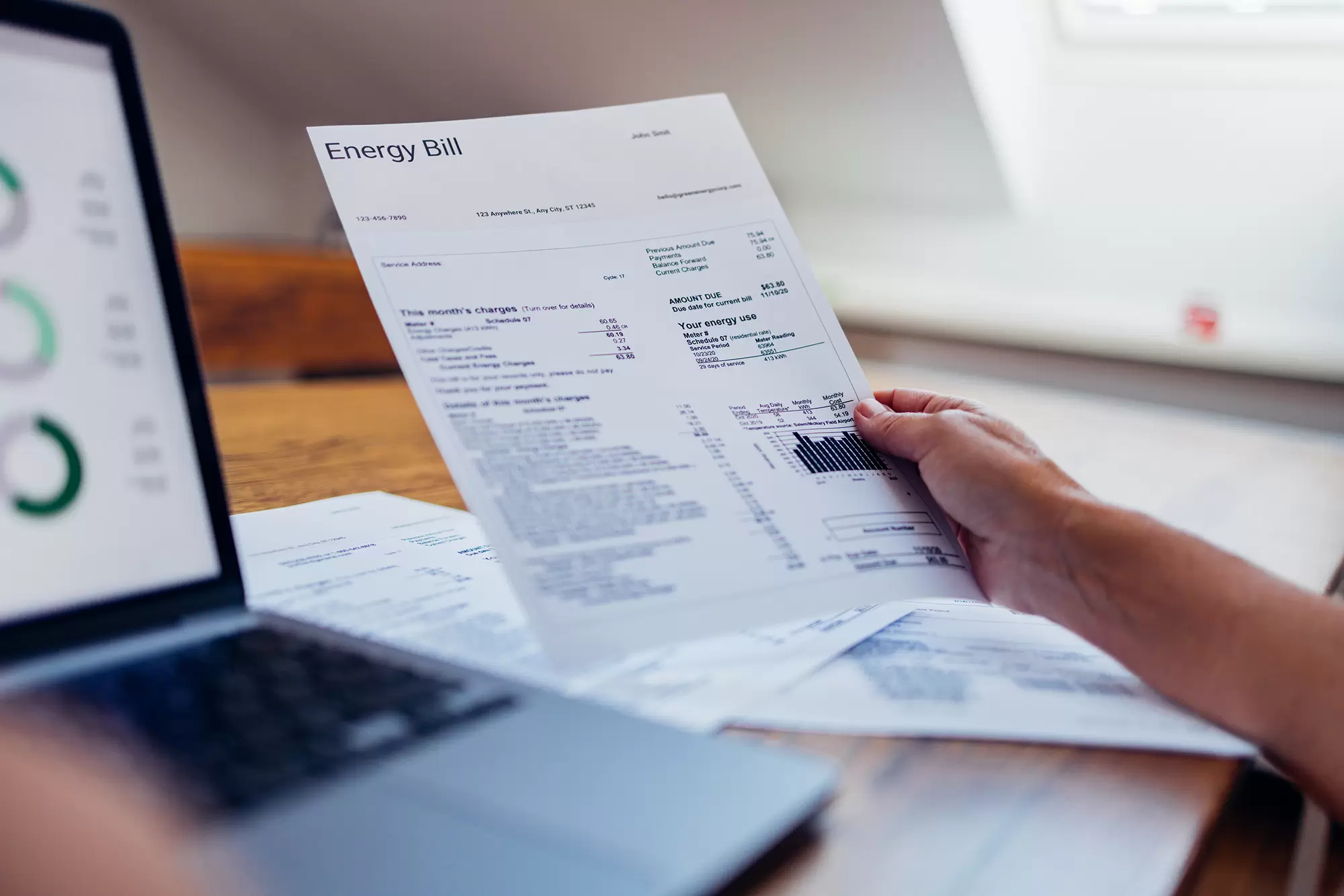
According to the EPA, homeowners can save an average of 15% on heating and cooling costs by air sealing the home's exterior and adding insulation.
But what kind of insulation do you need to cash in on these energy savings? To measure a material’s resistance to conductive heat flow, it’s rated by its thermal resistance or R-value. The higher the value, the better the insulation material works at preventing heat from moving around. R-values highly depend on what type of insulation you’re using and its thickness.
In other words, more insulation means more resistance to heat flow, keeping your home energy efficient and lowering how hard your HVAC system needs to work year-round.
Signs it’s time to replace your home’s siding
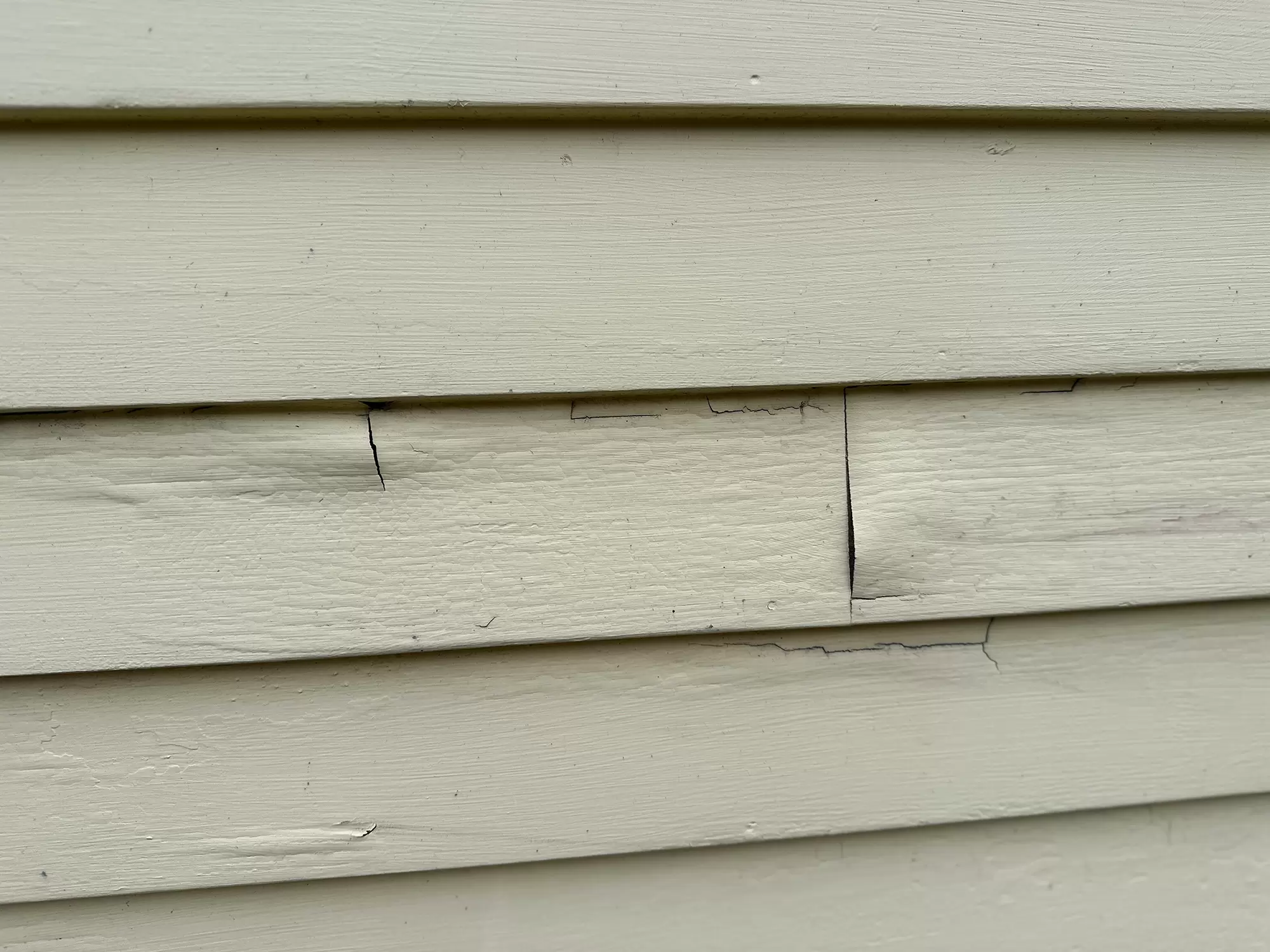
Over time, even the best siding can start working poorly, or it can become damaged by wear and tear or seasonal storms. Higher energy bills are the top reason you’ll know it’s time to replace the siding, but be mindful of these issues, too:
- Bubbles or blisters: If you spot any large bubbling areas in your siding, that’s a sign of excessive moisture and could indicate a bigger problem like mold. Don’t ignore blisters and bubbles as they can get worse before you realize how much they’ve spread.
- Fading and discoloring: With prolonged exposure to the sun, your siding takes a noticeable hit – flaking, discoloration, and bleached areas are all evidence of UV ray damage.
- Rot and mold growth: Bubbles and air pockets invite rot and mold growth. Any of your siding exposed to moisture for a long period can develop mold, which requires specialized care and immediate replacement.
4 kinds of siding to improve energy efficiency
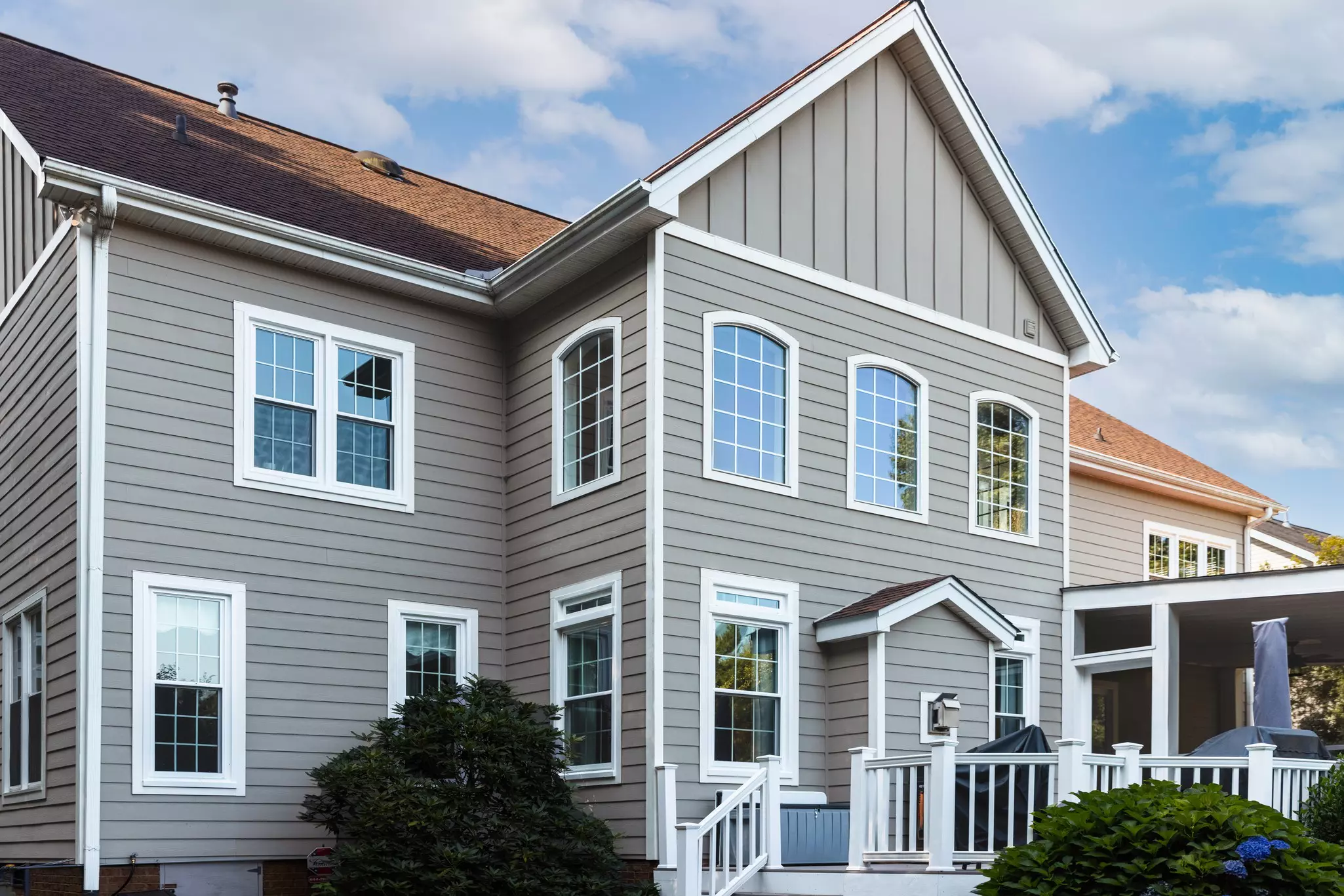
While any new siding might improve energy efficiency, some choices are better than others. Here are the top siding options to consider, but be sure to talk to an installation professional to find the best choice for your home and to determine the total cost of your renovation.
1. Insulated vinyl siding
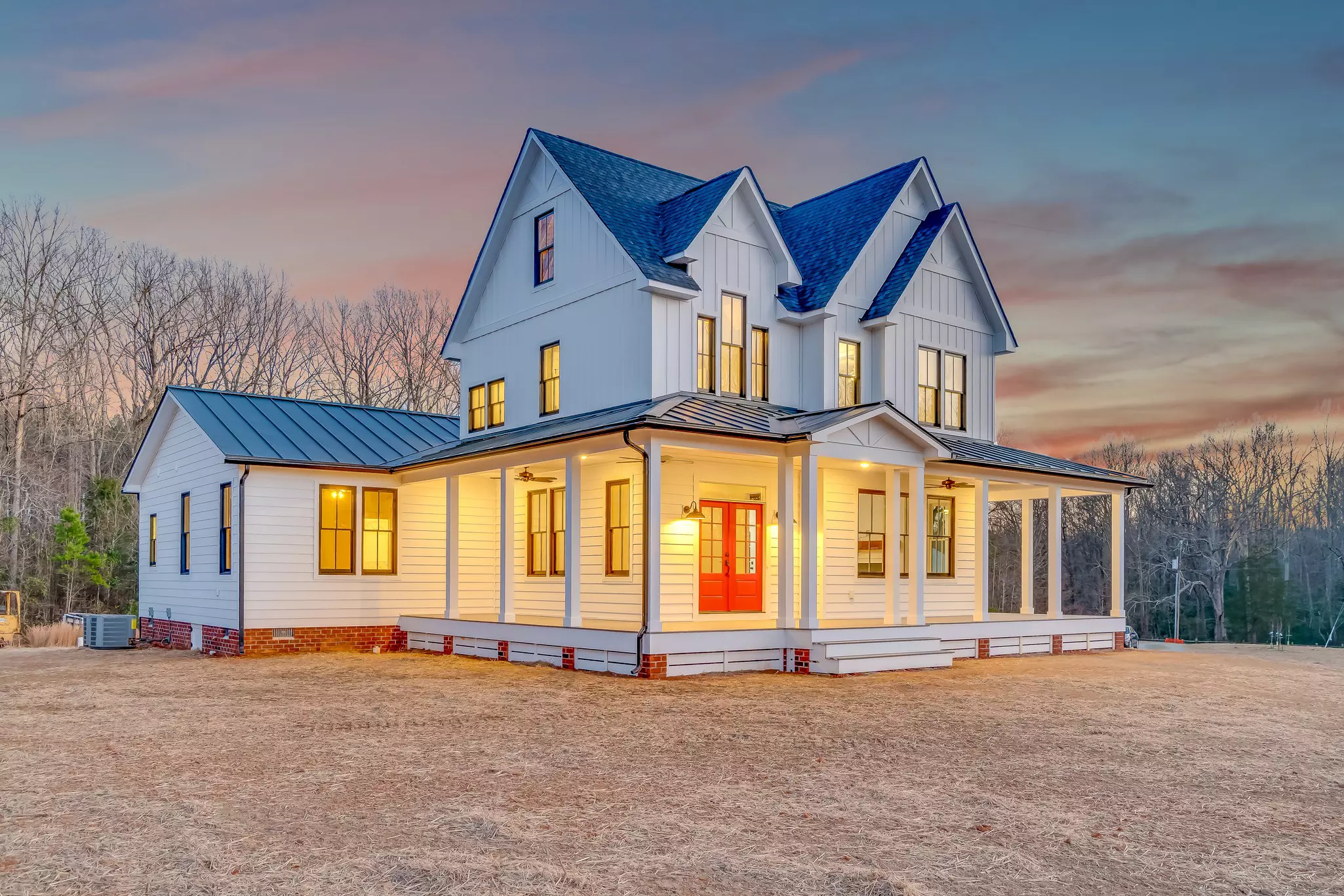
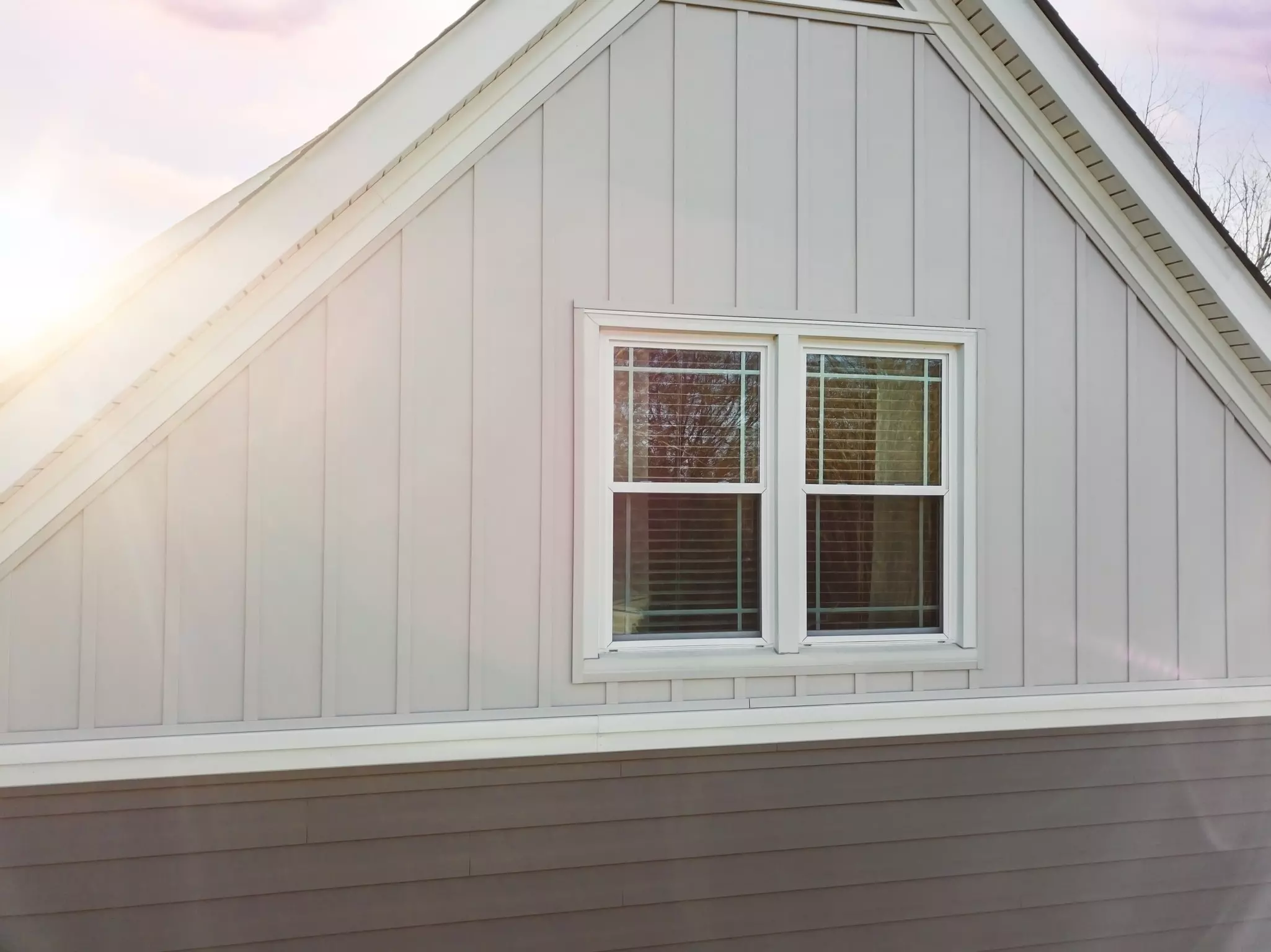
For many homeowners, insulated vinyl siding is the star option because of its built-in foam layer that seals your home with thermal resistance. It comes in several design options, like a traditional lap or a vertical board-and-batten style, and you can choose from an array of neutral or modern tones to suit your design!
- Pros: Durable, low-maintenance, and effective at reducing outside noise as well as heat transfer. The insulated version delivers much better energy performance than standard vinyl.
- Cons: Costs more upfront than non-insulated vinyl, and the installation process takes a bit longer due to the added thickness of the panels.
- Price: Approximately $8 per square foot for materials.
2. Metal siding
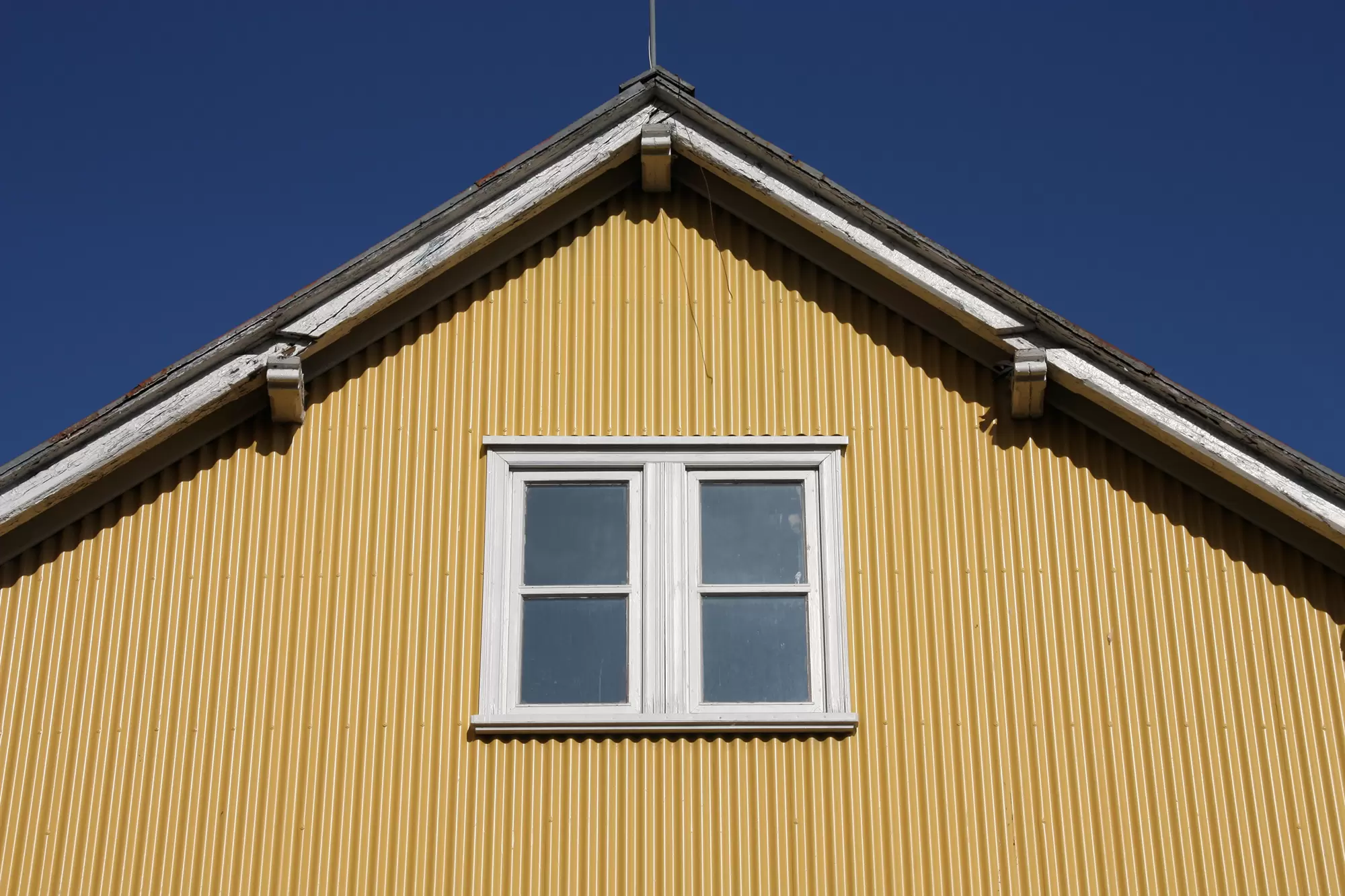
If you’re looking for a sleek and durable option, metal siding might be a choice worth considering. It’s weather-resistant and easy to take care of, instantly giving your home a modern facelift. You can pick from a range of neutral tones like dark bronzes, charcoal grays, and rich greens for your exterior.
- Pros: Exceptionally durable and capable of handling temperature extremes without warping or cracking. Resistant to fire and pests, and requires relatively little maintenance in the short term.
- Cons: Metal siding can fade noticeably over the years, and steel in particular is prone to rust as it ages, especially in humid or coastal climates. It also conducts heat more readily than foam-backed options, which can work against energy efficiency without proper insulation behind it.
- Price: Costs range from $1 to $35 per square foot for materials, depending on whether you choose aluminum or steel.
3. Engineered wood siding
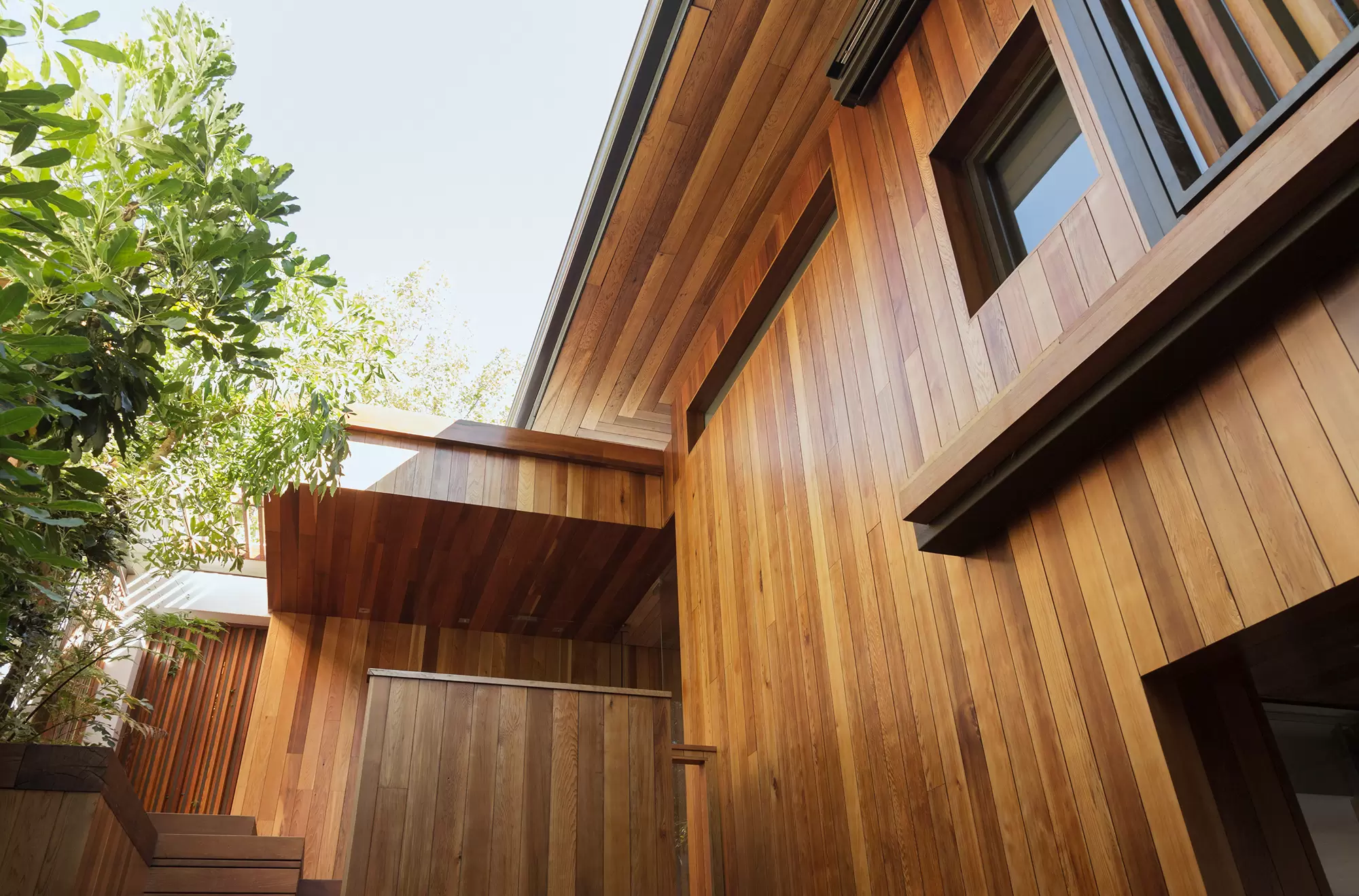
This choice gives you a look of genuine wood with better durability and less maintenance. Engineered wood siding keeps labor costs low with its easy installation needs. With proper care, this type of siding can last 20–30 years.
- Pros: Achieves the aesthetic of natural wood – grain texture, paintability, and all – at a fraction of the cost and with significantly less upkeep. Lighter than fiber cement, which tends to keep installation costs competitive.
- Cons: Requires careful moisture management, particularly around seams, trim, and cut ends – if water finds its way in, it can cause damage that real wood might shrug off. Some homeowners also feel the grain pattern looks a bit too uniform compared to the real thing.
- Price: Costs range between $3 and $8 per square foot for materials.
4. Fiber cement siding
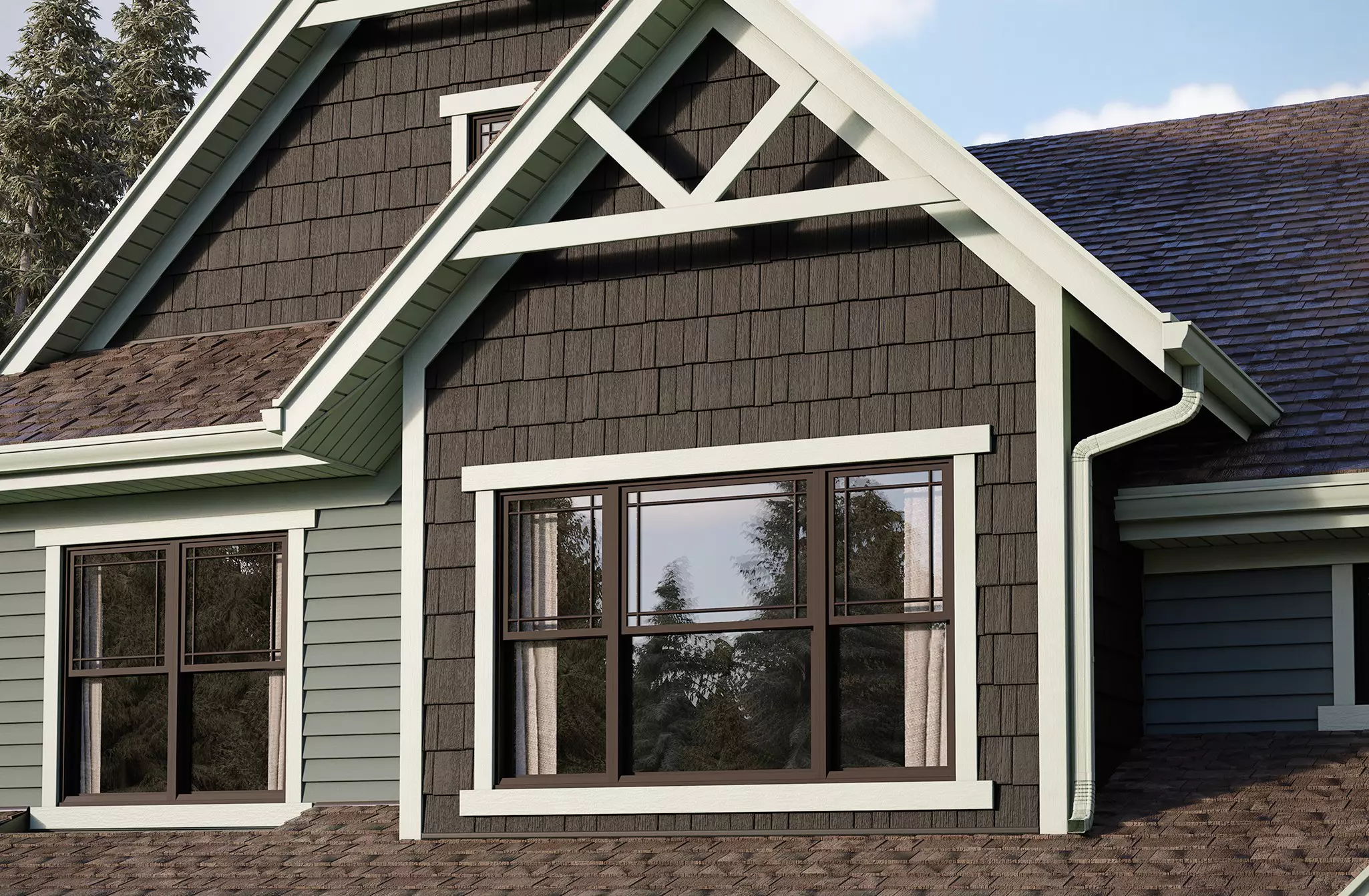
Fiber cement siding provides a mix of strength and design flexibility, and in many ways it’s even the superior choice to insulated vinyl siding, even though it’s more expensive, thanks to its excellent appearance options. Choose between traditional panels and shingles that look like cedar planks to maximize efficiency and style at the same time.
- Pros: Fire-resistant, dimensionally stable, and built to last with proper maintenance, fiber cement can perform well for 25 years or more. Holds paint exceptionally well and doesn't expand or contract with temperature changes the way wood does.
- Cons: Dense and heavy – fiber cement adds around 300 pounds per 100 square feet, so it's worth confirming with a professional installer that your home's structure can accommodate the added load. Installation is more labor-intensive than lighter materials, which factors into overall project cost.
- Price: Typically runs between $5 and $14 per square foot for materials.
How to choose the right energy-efficient siding for your home
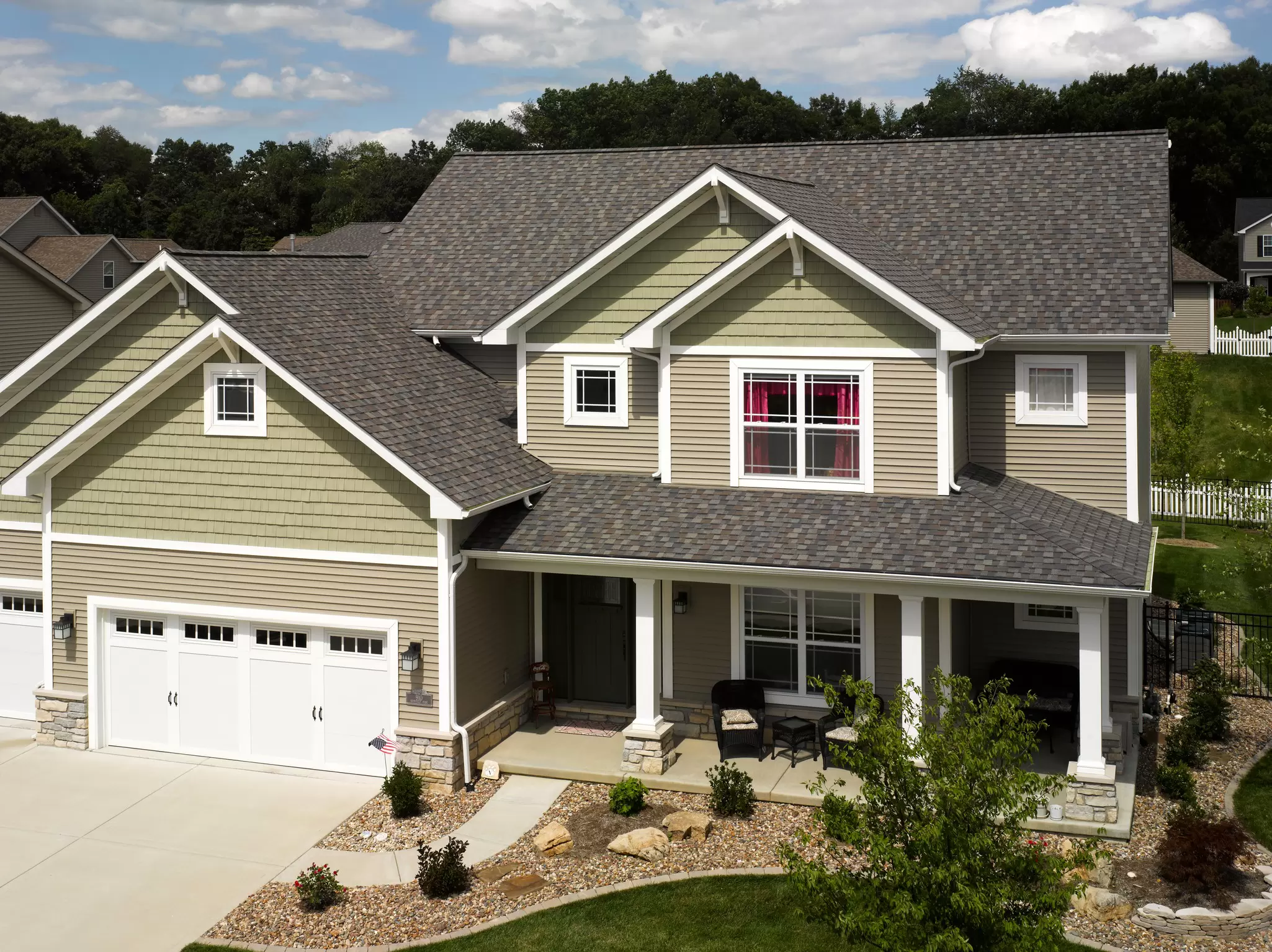
There are lots of siding choices, as you can see, and which is best for your home depends on cost, longevity, and a few other factors. We recommend considering:
- Climate and weather: When picking out your home materials, don’t forget one of the most important factors: where you live. Our region gets plenty of rain and moisture, so you’ll need a siding that is resistant to mold and rot, like fiber cement and engineered wood.
- Appearance, maintenance, and budget: Keep your neighborhood in mind when you’re picking out the colors and styles you need for your home. For sleeker, more modern homes, opt for a smooth siding in a bright, bold color!
- Long-term energy performance: Just because the price point is lower doesn’t mean it’s the best option for your home. Instead, a well-made, premium siding feels expensive upfront, but the long lifespan makes the price worthwhile. Look past the here-and-now cost and consider the total price with maintenance costs.
Talk with a professional

An efficient home lowers those pesky bills and keeps you comfortable throughout the year. With new, insulated siding, you can say goodbye to sweating in your front room because of the 95-degree day or freezing during the next snowstorm. Instead, you can enjoy a cool home in the summer and stay cozy in the winter, all while seeing your utility bill get lower and lower.
Ready to take the next step towards a more energy-efficient space? Our team at Window World of the Triad will guide you through the process to find the best fit. Talk to our team today to learn more.