


 Back to Blogs
Does Siding Thickness Matter? Width Options for Vinyl & More
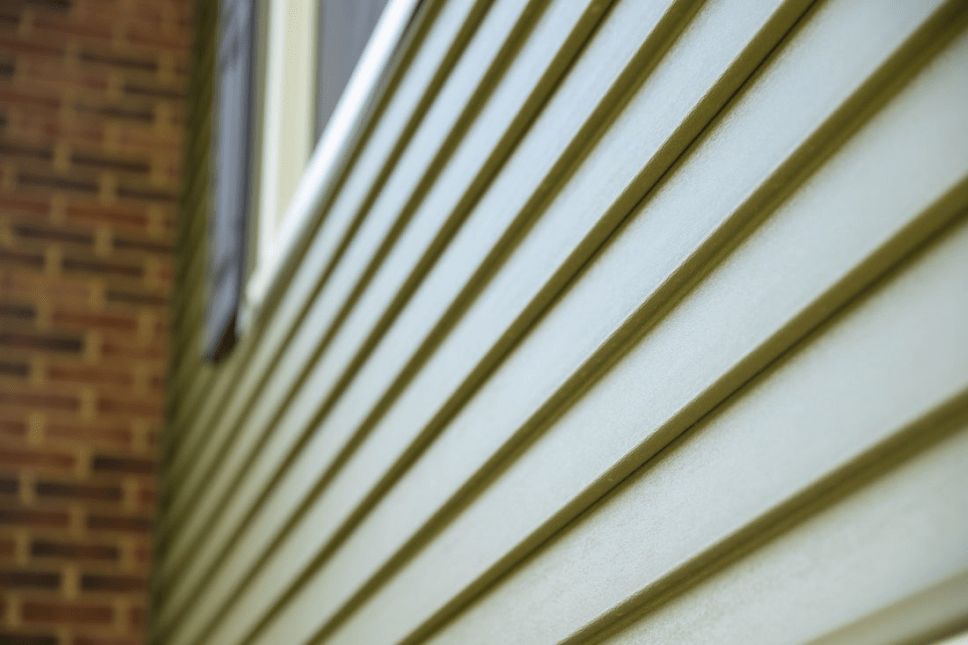
Ever looked at siding panels side-by-side? Then you’ve probably noticed that not all panels look (or feel) the same. Some are slightly wider or thicker, while others have deeper grooves or smoother finishes. Those small differences can make a big impact on your home’s look, performance, and long-term protection.
In fact, when it comes to vinyl siding, both width and thickness play important roles. Understanding what those measurements mean and how to choose the right combination can help you invest wisely in siding that lasts. Today, let’s explore common vinyl siding widths, so you know what thickness is best for your home.
Understanding how to measure vinyl siding
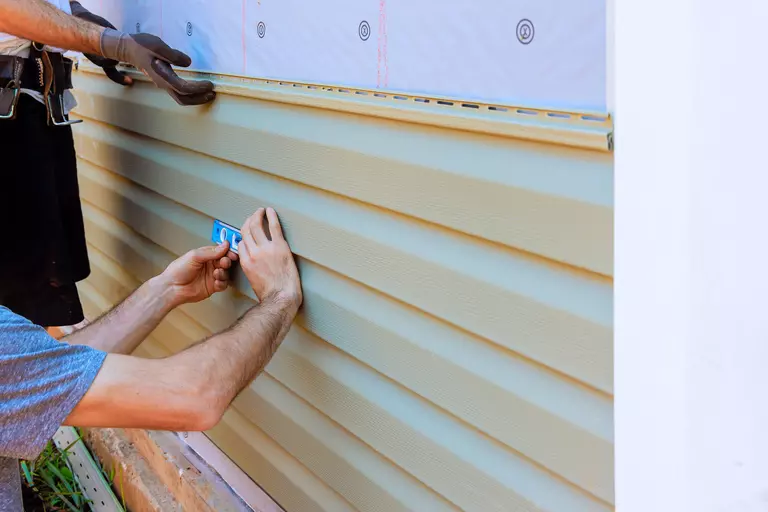
Vinyl siding measurements come down to two key dimensions: width and thickness. They’re related, but they each affect your siding in different ways.
- Width refers to the height of each visible board, known as the exposure. It’s the portion you see once the siding is installed. The bit of a given siding panel beneath the next panel is not included in the width.
- Thickness (or gauge) measures the depth of the vinyl panel itself, which influences rigidity, insulation, and weather resistance.
To measure siding width, simply measure one full board from the bottom edge of one panel’s lap to the bottom of the next. This visible area is often 4", 4½", or 5", which is why you’ll see many common siding width terms like “Double 4” or “Double 5.” Each “double” profile just means there are two visible siding boards molded into one panel.
Standard vinyl siding widths and profiles
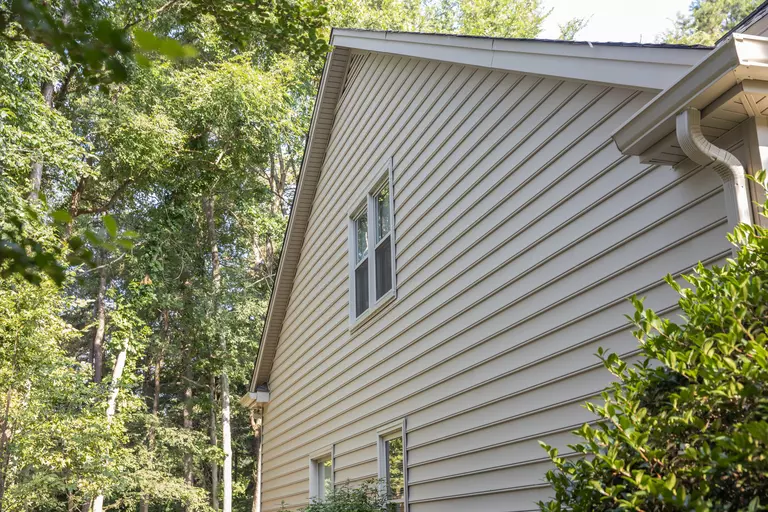
The width and profile of your siding are what define its overall style, and even subtle differences can change your home’s curb appeal.
Some of the most common vinyl siding widths and profiles include:
- Double 4" or Double 5" clapboard — A timeless, horizontal design that works on nearly any home. The narrow reveal of Double 4" gives a more traditional look, while Double 5" offers a bolder, contemporary feel.
- Dutch lap — Known for its curved profile that creates a deeper shadow line, this style adds depth and dimension without being overly ornate.
- Board and batten — A vertical siding style featuring alternating wide and narrow strips, popular for farmhouse and modern designs.
Overall, narrower panels create a classic, detailed appearance, while wider or vertical profiles can make a home feel taller and more streamlined. Choosing the right width also helps you align your home’s siding with windows, doors, and trim for a cohesive exterior design.
Does vinyl siding thickness really matter?

It absolutely does! The thickness of your siding directly affects how durable it feels, how well it performs in different weather conditions, and even how quiet your home is inside.
Vinyl siding typically falls into three main categories:
- Economy-grade panels are around 0.040 inches thick. They’re lightweight and affordable but more prone to bending or cracking over time.
- Standard residential siding runs between 0.044 and 0.046 inches and offers a great balance of strength, flexibility, and long-term appearance.
- Premium-grade siding measures roughly 0.048 to 0.055 inches thick, delivering superior rigidity, impact resistance, and protection against high winds or warping.
Thicker siding simply performs better; it stays straighter on the wall, resists weather-related wear and tear, and keeps its color longer. It can also help reduce outside noise and overall heat transfer, especially when paired with insulation. Insulated vinyl siding includes a foam backing for extra thermal protection.
In a region like the Triad, where homes face both summer heat and winter cold, thicker siding can make a noticeable difference in comfort and energy efficiency. While thinner panels can work for lower-traffic areas or detached structures, investing in a higher-grade product typically pays off with fewer maintenance concerns and a more polished finish that lasts for years.
Vinyl vs. composite and other cladding options
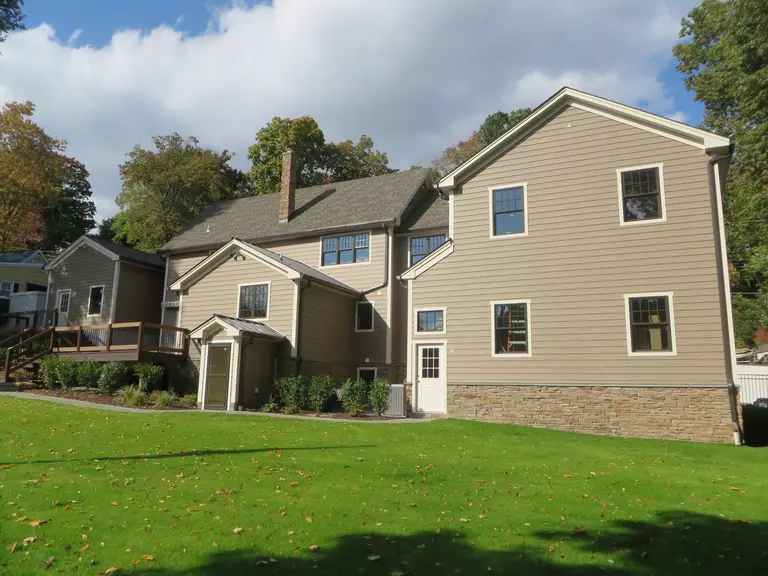
Vinyl siding may be the most common choice, but it’s not the only one worth considering. Composite siding has grown in popularity among homeowners who want enhanced durability with a high-end look.
Why? Because composite siding panels are typically thicker and can mimic the texture of natural wood without the upkeep. They also perform exceptionally well in extreme weather conditions, offering outstanding resistance to moisture, fading, and impact.
At Window World of the Triad, we offer a variety of vinyl and composite siding options, both of which are available in a wide selection of siding colors, textures, and finishes. Every style is designed to complement your home’s architecture while delivering the protection and efficiency your family needs.
How to choose the right vinyl siding width and thickness for your home

Choosing the right siding comes down to your home’s architecture, your local climate, and your personal preferences. Here’s a quick way to narrow it down:
- Match your home’s style. Traditional homes often look best with Double 4" or Double 4½" panels, while modern designs pair well with wider or vertical profiles.
- Consider your weather. For North Carolina’s hot summers and the Triad’s occasional heavy storms, mid- to premium-thickness siding offers the best long-term performance.
- Balance cost and durability. Thicker siding may cost a bit more upfront, but it can save money down the road by lasting longer and requiring less maintenance.
- Think about energy use. If you want to boost efficiency, consider insulated vinyl siding for improved year-round temperature control.
Not sure which option fits your home best? The experts at Window World of the Triad can walk you through side-by-side comparisons and help you find the perfect balance of style, protection, and value.
Upgrade your home’s exterior with Window World of the Triad
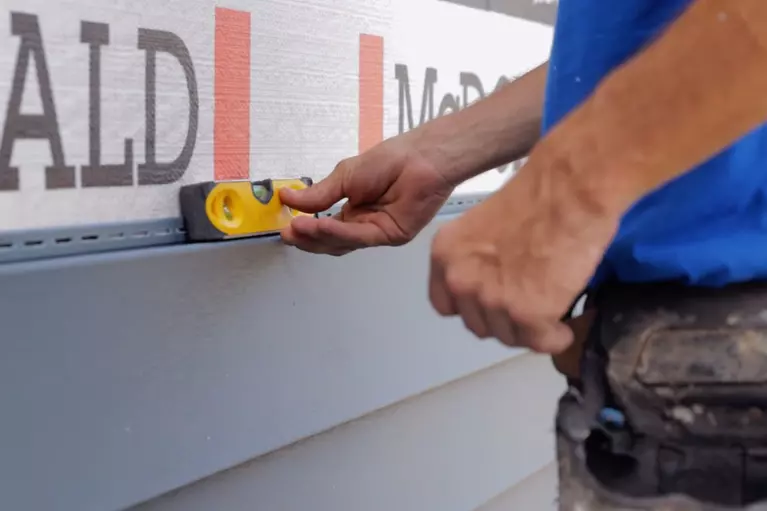
Whether you’re updating your home’s appearance or improving its efficiency, Window World of the Triad offers durable, energy-efficient siding solutions in a range of widths, thicknesses, and finishes.
Our team will help you choose the best profile for your home, handle your installation with care, and ensure your siding looks beautiful for years to come. Request a free quote today, and discover siding that’s built to last and impress!