


 Back to Blogs
How to Stop Flooding from Snowmelt
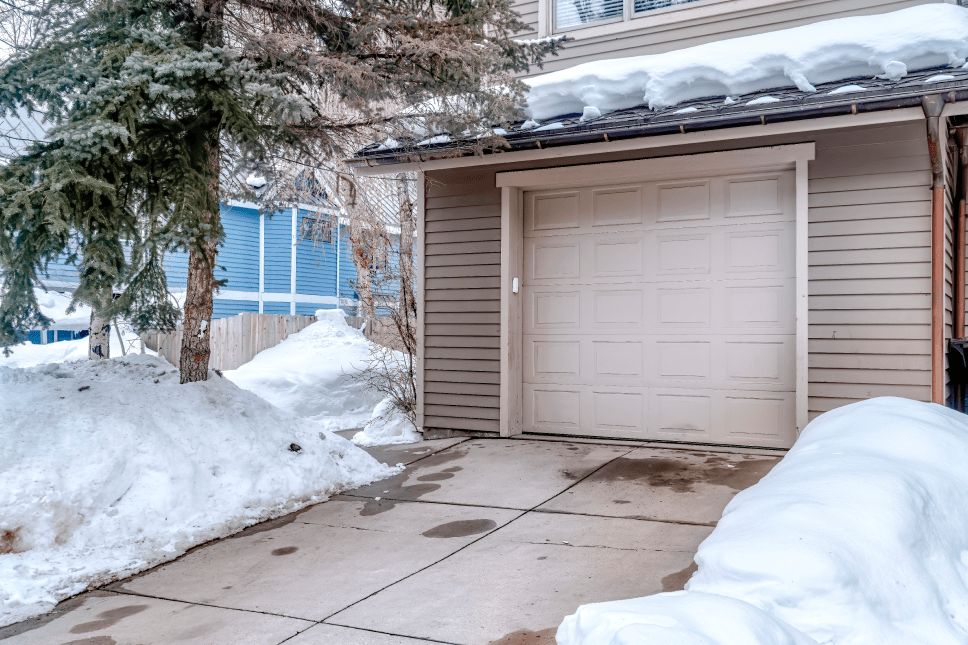
Spring brings warm weather, sunny days, and melting snow. In most cases, a little thawing ice and puddling from melted powder isn’t a big deal. But if the ground doesn’t have enough time to absorb all that fresh water, you might run into a larger problem: snowmelt flooding, which can damage your yard and your home’s interior.
Leaks, soggy yards, and flooding from snowmelt are all preventable. With the right steps and repairs, you can prevent flooding from melting snow and protect your home from any spring thaw. Let's get started.
How does snowmelt flooding occur?
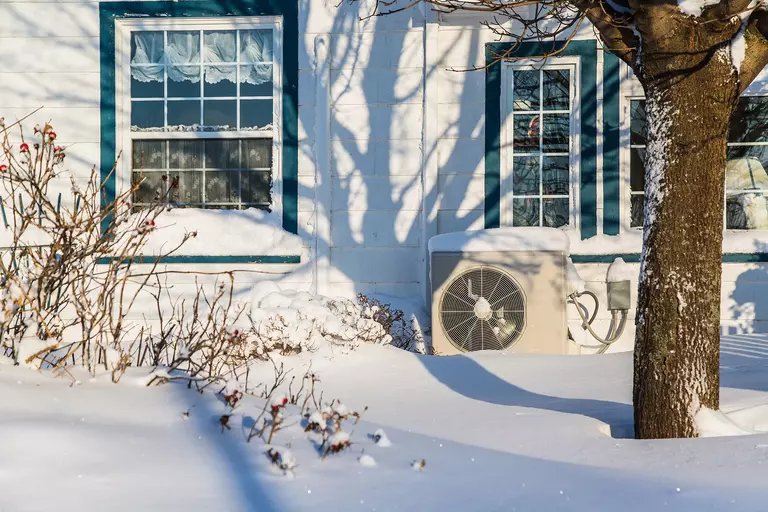
Snow might look pretty and picturesque, but it’s also a huge hassle to shovel off your driveway and deal with on your daily commute. Fortunately, it doesn’t stick around. Unfortunately, when it melts, it often does so quickly – sometimes too quickly for the safety of your home.
Snowmelt flooding occurs when enough snow melts so fast that the ground can’t adequately absorb it. Sometimes, this can lead to widespread flooding or water damage. But around your home, snowmelt flooding is typically borne of two primary causes.
Snow buildups
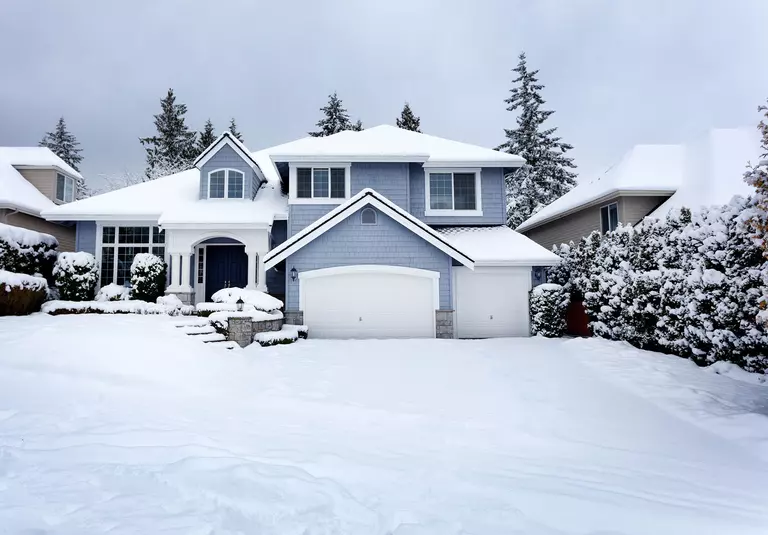
There doesn’t need to be a mountain of snow for flooding to occur. In our neck of the woods, we only get a handful of inches of snow each year. But if that snow builds up in a shady area over a month or two, then melts in the spring, it could be enough to cause flooding.
Depending on the soil composition around your home and how long the snow lingers, even a couple of inches of snow might melt into chilly puddles that can grow larger and threaten your home’s foundation or yard instead of vanishing into the ground. Ultimately, any significant amount of snow may cause flooding if it’s not dealt with appropriately.
Ice dams
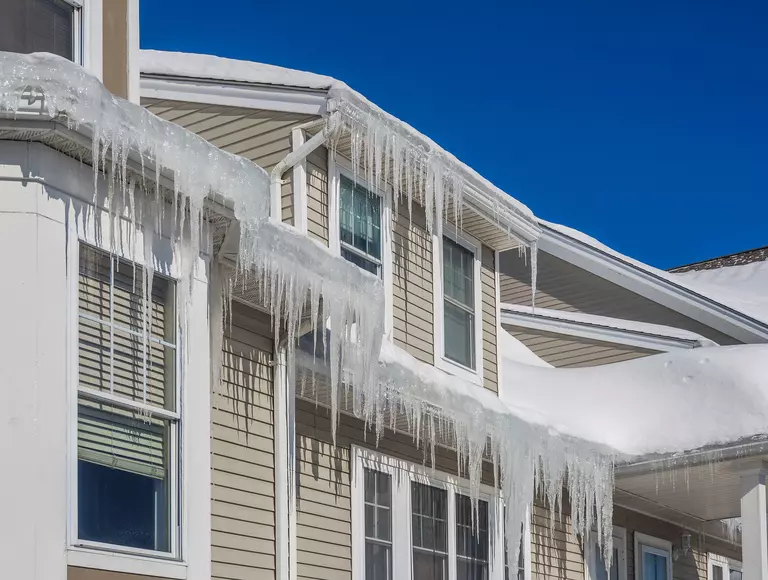
Second, ice dams can lead to snowmelt leaking and even flooding into your home in certain cases.
Ice damming occurs when snow on your roof partly melts and then refreezes along your home’s gutter line. That ice can accumulate, eventually stopping water from flowing down the gutters and away from your property.
Ice dams are bad enough for the health of your roof. But they can also lead to issues when the temperature rises. When ice dams form, melting snow might puddle on your roof, soaking through its layers and developing roof leaks inside your home.
Alternatively, melting water can drip and slide down your siding and windows. Too much water exposure is bad for any surface, and the downpour from enough melting snow may lead to window leaks, siding stains, or worse.
Damage from snow flooding
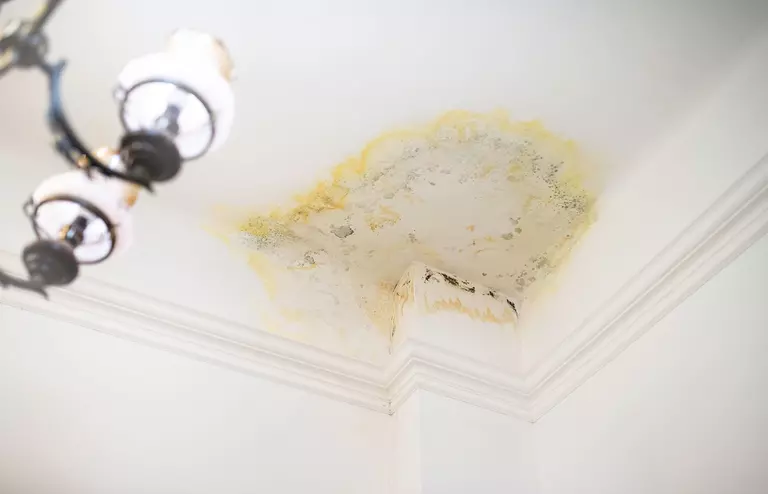
All told, you could eventually have to foot bills for hundreds or thousands of dollars from melting snow leaking into the house or around the foundation. Snowmelt flooding can cause property damage like:
- Roof leaks or holes
- Siding stains or rotting panels
- Ruined window frames and panes
- Foundational damage as water soaks into the foundation and causes cracks to form
Ways to stop flooding from snowmelt
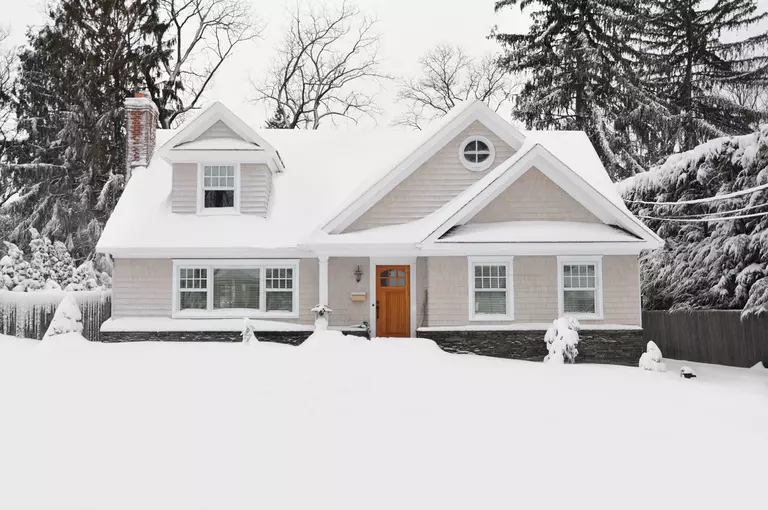
The best way to avoid having to pay expensive repair fees is to prevent snow flooding damage from impacting your home in the first place. You can protect your home and your bank account in a few key ways.
Replace damaged house elements
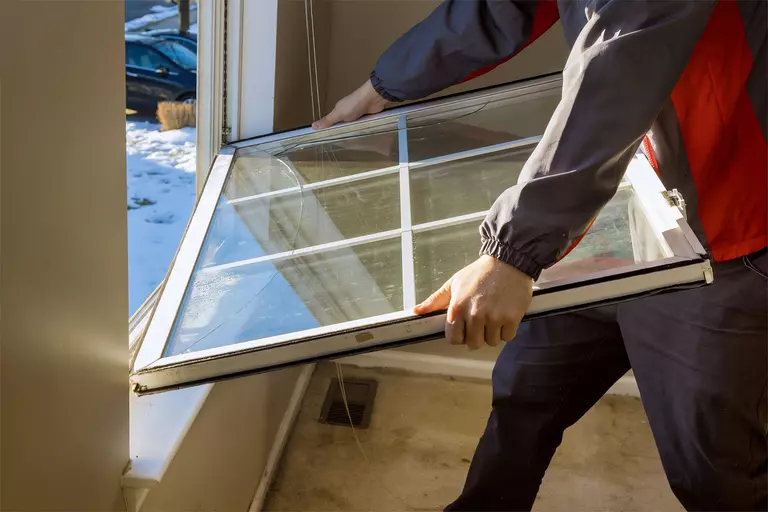
Missing roof shingles, broken siding panels, drafty windows – all these are the perfect spots for melting snow to leak into your home. The longer you leave them, the more water might sneak in.
The fix, therefore, is to repair any damaged pieces of your house as soon as possible. Hire an inspector to take a look at your roof, windows, or doors, depending on where you find water puddling or where you find visible issues. The faster you get those leaks plugged, the better.
For example, if you find a window with a bad seal or a serious draft, consider replacing it with an energy-efficient window soon. That new window will be less susceptible to leaks, plus make the nearest room feel more comfortable in the chilly winter.
Similarly, broken siding panels are big targets for snowmelt to leak through. New siding panels, like high-performing, durable vinyl siding, can provide your home with tough defenses and boost curb appeal at the same time.
Shovel proactively
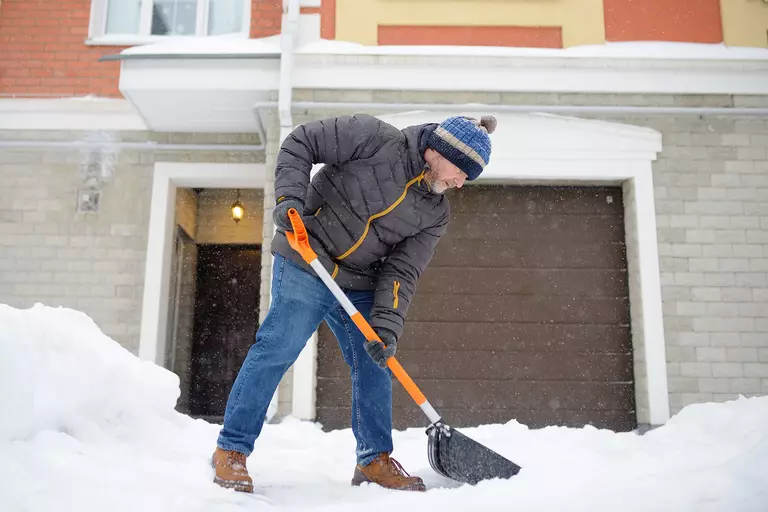
If you shovel aggressively (maybe not so aggressively as shoveling while it’s still snowing, unless you really want to), you can prevent the inevitable snow piles from becoming too huge to manage. Then, even if they melt, they won’t deposit so much water in a single spot to trigger flooding or major leaks.
The best places to shovel snow are downhill from your property. Take accumulating snow and dump it near a storm drain or any other designated spot if you can; minimizing water flow throughout your neighborhood is good for your property and the others around you.
Clear snow from your roof
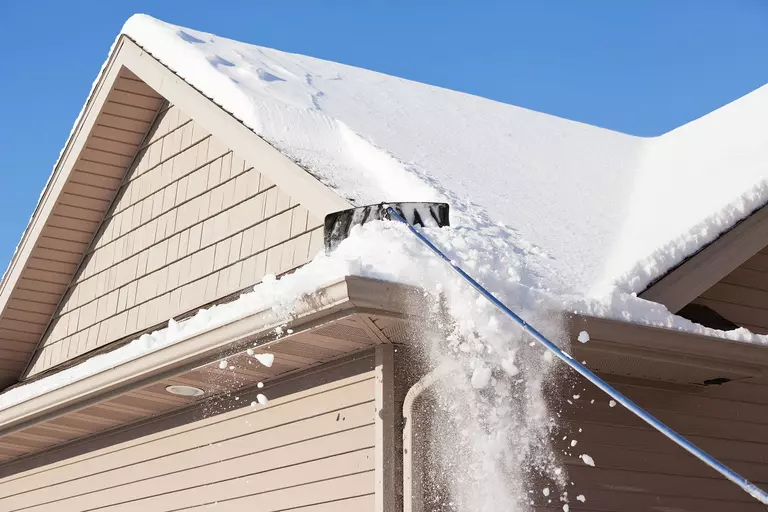
Of course, you should remove snow from your home’s roof if you get any more than a few inches at once. Even modern, sturdy roofs can gradually wear down over time, and any accumulated ice could easily turn into dams or flooding water if it's left till the next sunny day.
That doesn’t mean you should always break out the ladder and shovel, though. Roof work is tricky and dangerous even in the best of circumstances, and a roof coated in any amount of snow isn’t ideal. Instead, use a roof rake – which lets you clear snow off your roof from the ground – to tackle this work safely. If you notice any signs of damage, call a contractor to inspect your roof after the snow has passed to spot any missing shingles or early leaks.
Install new gutters
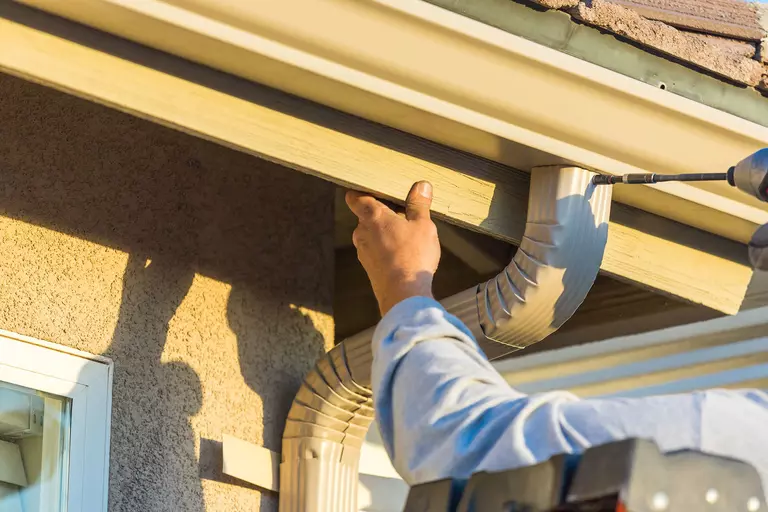
Old gutters and downspouts filled with gunk can also cause meltwater to accumulate on your roof, leading to flooding or leaks. New gutters – particularly those with durable guards – can prevent this.
Ask local contractors about installing new gutters before the first snow hits. In some cases, they may be able to position the gutters to maximize water flow and minimize the likelihood of ice damming, especially with the use of filtering guards that sit atop the gutters and prevent ice, leaves, and other debris from getting through.
Who to contact for replacement windows, siding, and more

When it comes to any home repair or upgrade, DIY installation is a mixed bag at best. Even with some experience under your belt, you’ll often be better off working with local experts who can recommend the right replacement windows or siding and install those pieces quickly and capably.
That’s why you should stop by Window World of the Triad. Our gutters and guards can help you control snowmelt for years to come. Plus, our energy-efficient windows are wonderful replacements for any drafty ones in your home, and our selection of entry doors and siding could have just what you need to get your home ready for the new year. Request a quote online today to begin, or contact us to learn more!