


 Back to Blogs
The Best Ways to Insulate Windows for Winter

Winters in North Carolina bring chilly mornings, cozy evenings, and the constant need to keep your home warm and comfortable. But if you've noticed cold drafts near your windows, felt the chill radiating from the glass, or watched your heating bills climb higher each month, your windows might be working against you.
Drafty windows let cold air seep in and allow your hard-earned warm air to escape. The result? Your heating system works overtime, your energy bills skyrocket, and certain rooms in your home just never feel quite comfortable enough. The good news is that there are proven ways to insulate your windows for winter, from quick, budget-friendly fixes to permanent solutions that deliver lasting comfort and savings.
At Window World of the Triad, we've been installing energy-efficient windows in Winston-Salem, Greensboro, and throughout the region since 1998. Let's explore the best techniques to insulate your windows and keep your home comfortable all winter long.
Why window insulation matters in winter
Before we dive into solutions, it's worth understanding why window insulation is so important – especially during the colder months.
- Heat loss through windows is significant. Windows can account for 25–30% of your home's total heating energy loss. That's a substantial amount of warmth escaping through what should be a protective barrier between you and the cold outside air.
- Your energy bills reflect the problem. When drafty windows let cold air infiltrate your home, your heating system has to work harder and run longer to maintain a comfortable temperature. That extra effort shows up as higher utility bills month after month throughout the winter.
- Comfort suffers. It's not just about the money. Cold air seeping in through poorly insulated windows creates uncomfortable drafts, uneven temperatures from room to room, and that persistent chill that makes it hard to feel truly warm, even when the thermostat is set high.
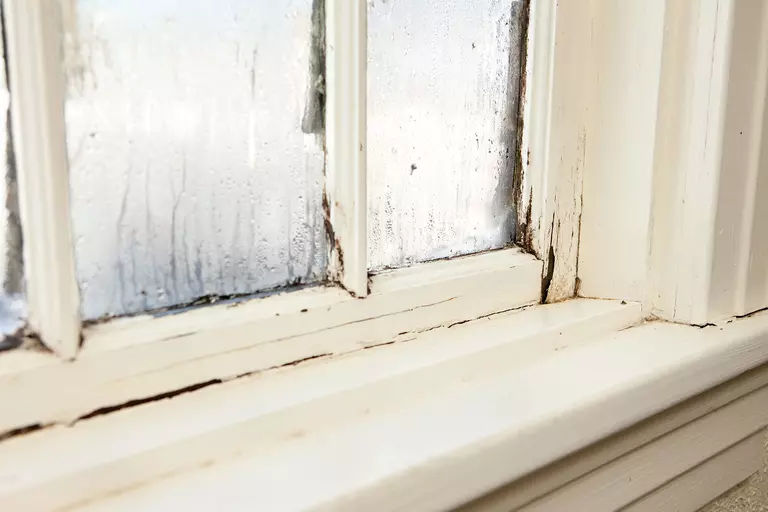
- Condensation and moisture can cause damage. Poor window insulation can lead to condensation forming on the glass or frames. Over time, that moisture can damage your window frames, encourage mold growth, and even affect your walls and surrounding areas.
Does your window need insulation?

You might know that windows in general need insulation, especially in the wintertime. But how do you know if a particular window – or all the windows in a specific room – need help? Here are the telltale signs:
- You feel drafts when standing near your windows. If you can feel cold air moving when you place your hand near the window frame, that's a clear sign of air infiltration.
- There are visible gaps around the window frames. Sometimes you can actually see daylight or feel air movement around the edges where the window meets the wall or where the sash meets the frame.
- Condensation or frost forms on the glass. Excessive moisture or ice buildup on the interior of your windows indicates poor insulation and a significant temperature difference between inside and outside.
- The glass feels cold to the touch, even when the window is closed. While some temperature transfer is normal, excessively cold glass suggests single-pane windows or failed seals in double-pane units.
- Windows rattle or move when the wind blows. This movement creates gaps that allow air to pass through, undermining your home's ability to maintain a steady temperature.
- Your heating bills have increased noticeably. If your energy costs are climbing but your usage habits haven't changed, drafty windows could be the culprit.
If you're experiencing any of these issues, it's time to take action.
Temporary window insulation solutions
Sometimes you need a quick fix to get through the winter without breaking the bank. These temporary window insulation solutions can make a real difference in your comfort and energy bills without requiring major investments in time or cash.
Weather stripping for gaps and drafts
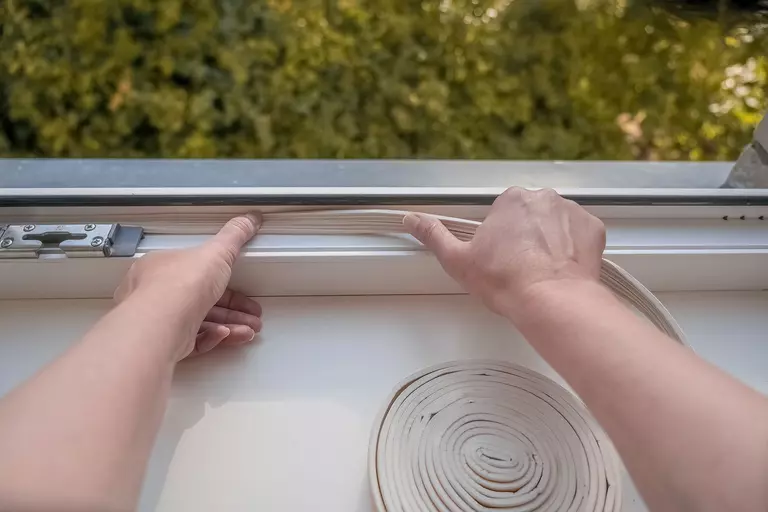
Weather stripping is one of the most cost-effective ways to seal gaps around your windows. It's a flexible material that fills the space between moving parts – like where your window sash meets the frame – to block air infiltration.
You'll find several types available: Foam weather stripping is easy to apply and inexpensive, V-strip (or tension seal) creates a tight seal and works well for double-hung windows, and felt weather stripping is another budget-friendly option, though it's less durable than foam or V-strip.
If you’re using weather stripping, the application is straightforward:
- Clean the surfaces where you'll apply the weather stripping
- Measure and cut the material to fit
- Press it into place along the window frame and sash
For best results, apply weather stripping on both the top and bottom of double-hung windows, as well as along the sides where the sash slides. The beauty of weather stripping is that it's removable, so if you just need a seasonal fix, this is a great option.
Thermal curtains and cellular shades
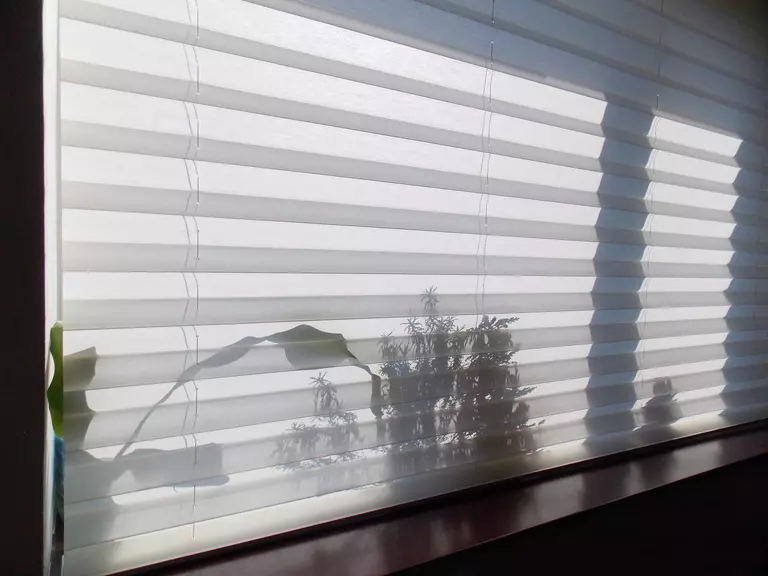
Heavy, insulated window treatments add another layer of protection against heat loss. Thermal curtains are made with thick, tightly woven fabrics – often with a layer of insulating material or a reflective backing – that trap air and block heat transfer. Cellular shades (also called honeycomb shades) feature a unique structure with air pockets that provide excellent insulation.
The key to maximizing their effectiveness is knowing when to use them. Close thermal curtains or shades at night when temperatures drop and heat loss is greatest. During the day, especially on sunny winter days, open them to let passive solar heat warm your home naturally. South-facing windows, in particular, can contribute meaningful warmth on clear days.
Beyond insulation, these window treatments also give you better light control, increased privacy, and even some sound dampening. They're a smart investment that serves multiple purposes.
Signs it's time for window replacement
Temporary window insulation methods are helpful, but sometimes they're just not enough. If you find yourself repeating the same fixes every winter – or if your windows are simply too old and inefficient to salvage – it might be time to consider replacement. Take a look at these signs that replacing your windows is the better option:
- Repeated insulation efforts don't solve the drafts. If you've tried weather stripping and heavy curtains but still feel cold air and see high energy bills, your windows are likely beyond the point where temporary fixes can help.
- Your windows are 15–20+ years old. Older windows, especially those installed before modern energy efficiency standards, simply can't compete with today's technology. If your windows are pushing two decades or more, replacement is often the most cost-effective long-term solution.
- There's visible damage. Rotting wood frames, warped vinyl, broken seals (which cause fogging between double-pane glass), and cracked panes all signal that your windows have reached the end of their useful life.
- You have single-pane windows. Single-pane glass offers minimal insulation and is a major source of heat loss. Upgrading to modern double or triple-pane windows can cut your heating costs significantly.
- Energy bills keep rising despite your efforts. If you've taken steps to insulate but your heating costs continue climbing, it's a strong indication that your windows are working against you.
Benefits of energy-efficient replacement windows
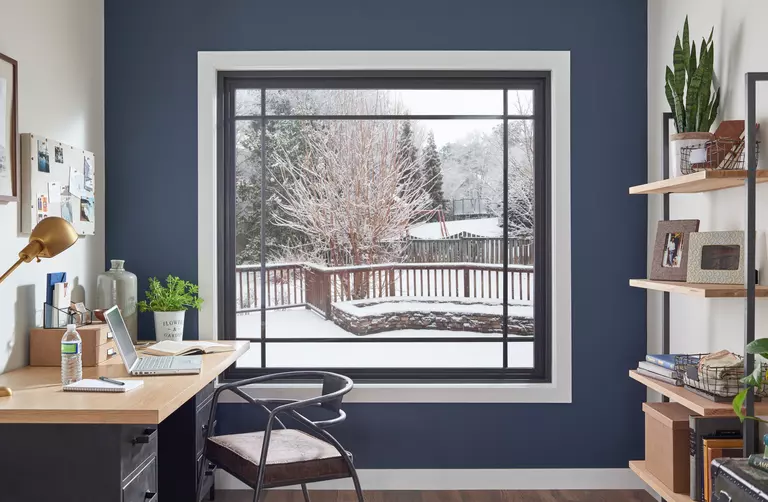
Modern replacement windows are engineered to do far more than their predecessors. They bring a lot of upgrades to the table, including:
- Double or triple-pane insulated glass creates multiple barriers against heat transfer, with insulating gas (usually argon) sealed between the panes for even better performance.
- Low-E coatings are microscopically thin layers applied to the glass that reflect heat back into your home during winter while insulating against excess heat in summer. It's like having an invisible thermal shield on your windows.
- Argon gas fills between the panes provide superior insulation compared to regular air, further reducing heat transfer.
- Modern weatherstripping and sealing ensure a tight fit that eliminates the gaps and drafts common in older windows.
- Warm-edge spacer technology – like the system used in Window World windows – keeps the edges of the glass warmer, reducing condensation and improving overall energy efficiency.
Perhaps most importantly, energy-efficient windows are a permanent solution. You won't need to perform energy-saving maintenance every fall, replace weather stripping annually, or wonder if you've done enough to prepare your home for winter. Once they're installed, they work year-round to keep your home comfortable and your energy bills manageable.
Get new windows with insulation from Window World of the Triad
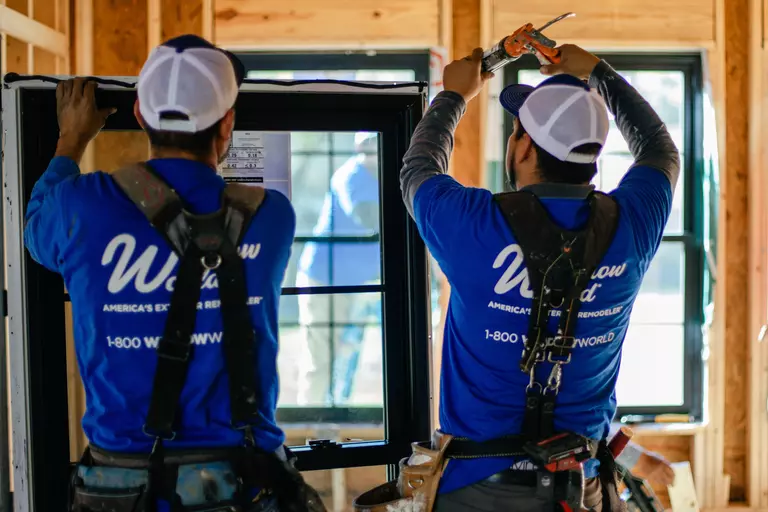
If you're tired of fighting drafty windows every winter – or if you're simply ready to invest in a permanent solution – Window World of the Triad is here to help.
We offer free in-home consultations where we can assess your current windows, discuss your comfort concerns and energy goals, and provide honest recommendations for window replacement. And because we know that home improvements represent a significant investment, we offer financing options to help you get the windows you need without delay.
Don't let another winter go by with drafty windows driving up your energy bills and leaving you uncomfortable in your own home. Contact Window World of the Triad by phone or request a free quote today to get started.