


 Back to Blogs
The Best Windows for Sunlight: Styles and Placement
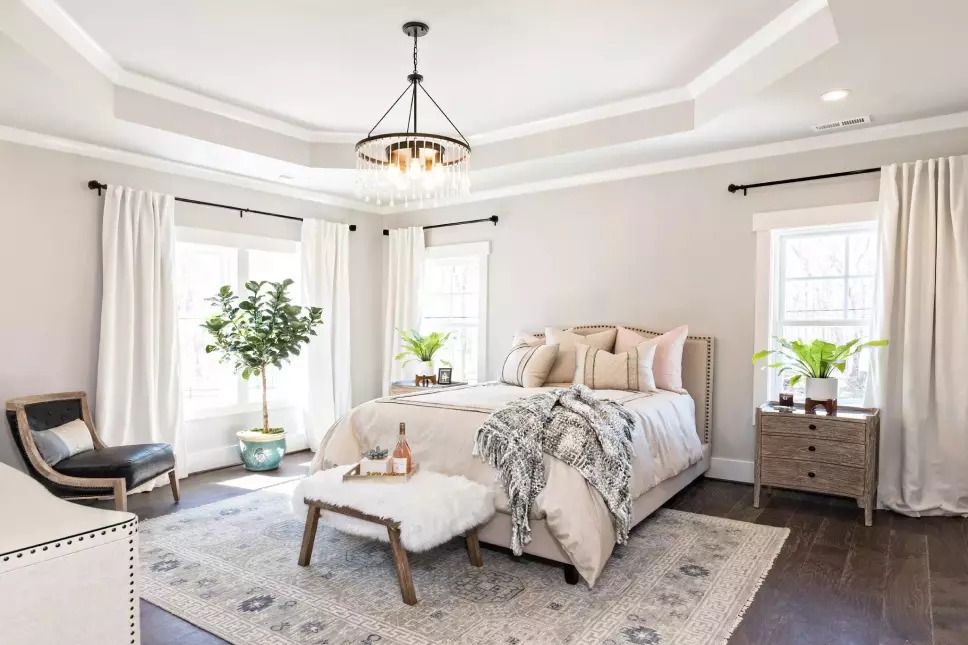
There's a particular kind of afternoon in a well-lit home – the kind where sunlight moves across the floor, the rooms feel open and alive, and you're not reaching for a lamp until well after dinner. If that's not what your home feels like right now, your windows are probably a big part of the reason.
After all, natural light isn't just a design preference. It affects how awake and energized you feel throughout the day, how large and welcoming rooms appear, and how much you're spending on artificial lighting month to month. The research on daylighting is consistent: more natural light means better mood, better sleep, and measurably lower energy costs.
For homeowners across the Piedmont Triad, the good news is that this is very achievable. The two biggest factors in how much natural light your home gets are window style and window placement, and both are squarely within your control when it's time to replace your windows.
How old or inefficient windows limit natural light

Before talking about which window styles let in the most light, you need to know why your current windows may be falling short, even if their placement is perfectly fine.
The most common culprit is failed insulated glass seals. Modern windows use two panes of glass with a sealed chamber between them, and when that seal fails, moisture seeps in and creates the foggy, hazy film between the panes that's nearly impossible to clean because it's inside the glass. That haze directly reduces how much light passes through, and it tends to get worse over time rather than better – plus it looks worse than clear glass.
Older windows also tend to have heavier frame profiles and narrower glass areas than their modern equivalents. The frames themselves take up more of the opening, and what glass there is may be yellowed, scratched, or coated with years of residue that cuts transmission even further. Replacing older windows with modern, clear-glass replacements in the same openings often makes a big difference in brightness even before you change a single thing about size or placement.
Window types that maximize natural light
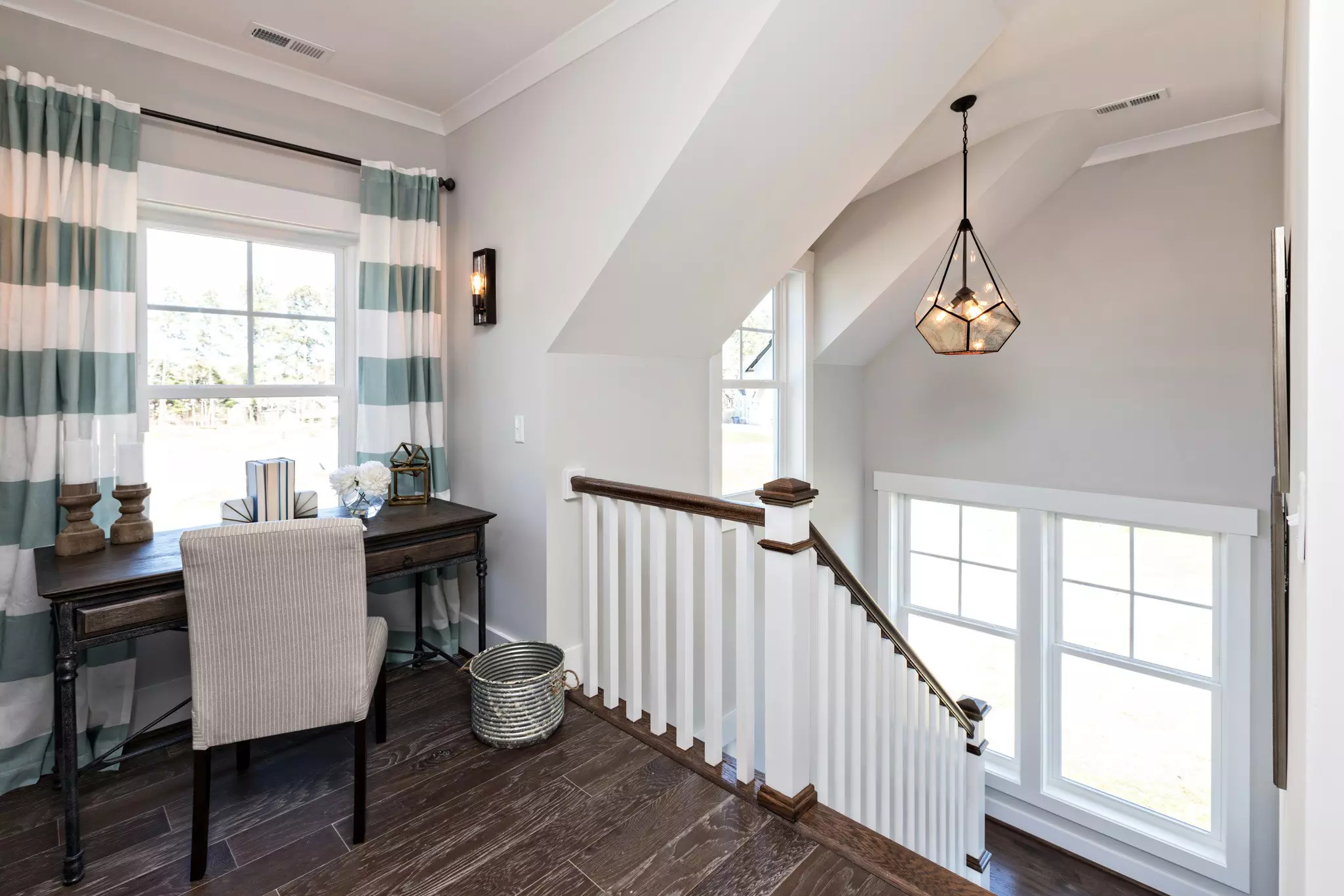
Different window styles bring in light differently, and the right choice depends on the room, the wall, and what you're trying to accomplish. Here's how the main styles compare.
Picture windows
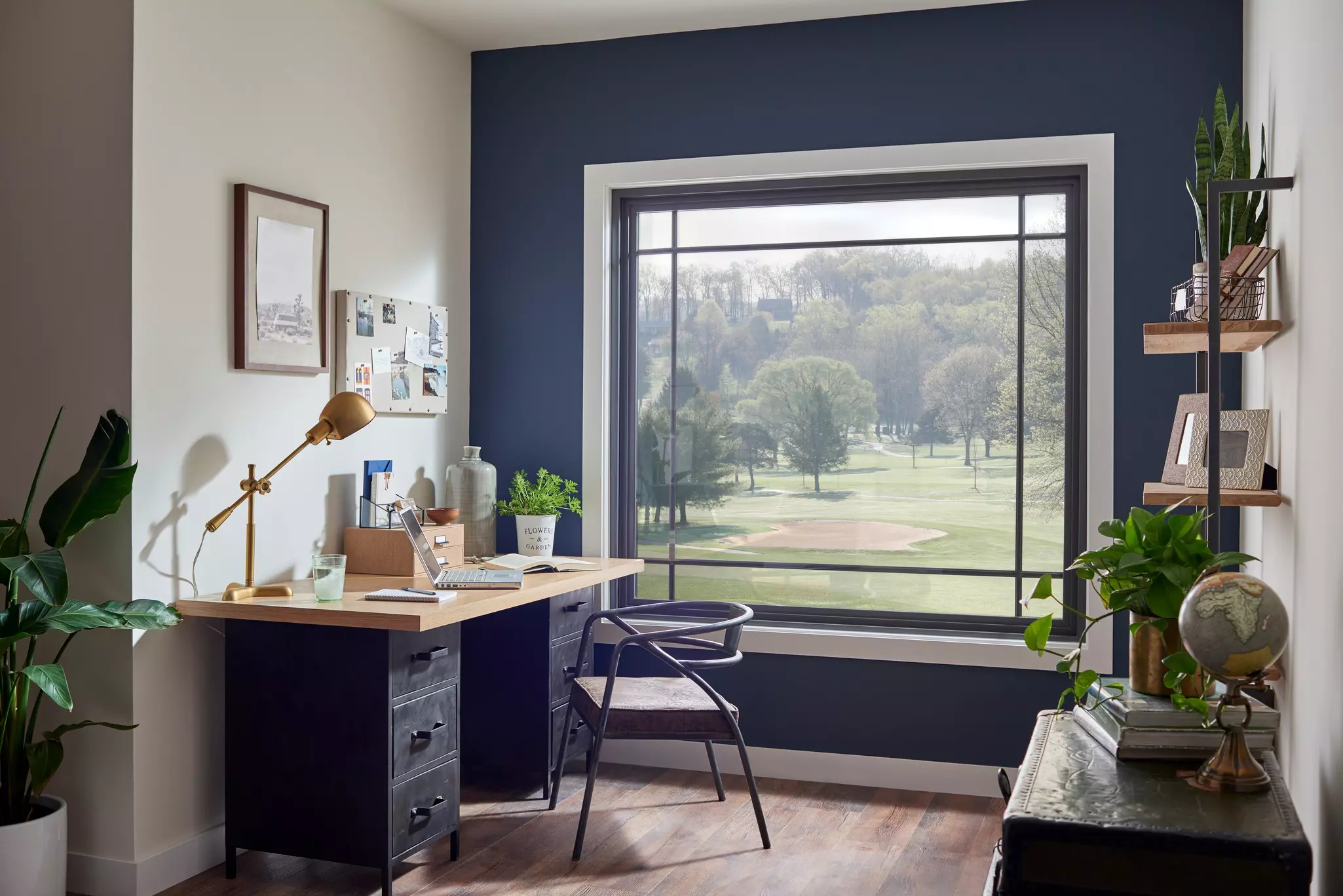
Picture windows are the single most effective window style for natural light, and the reason is simple: There's no operational hardware, no meeting rail, and no moving sash – just glass from edge to edge of the frame. Every square inch of the opening brings in light, which makes picture windows the most efficient use of wall space when brightness is the goal.
They're a natural fit for living rooms and any room with a view worth framing. And on south- or west-facing walls in a home, where afternoon sun is abundant, a well-placed picture window can genuinely transform a space. The one major tradeoff is that picture windows don't open, so they should be paired with operable windows nearby if ventilation matters in a given room.
Bay and bow windows
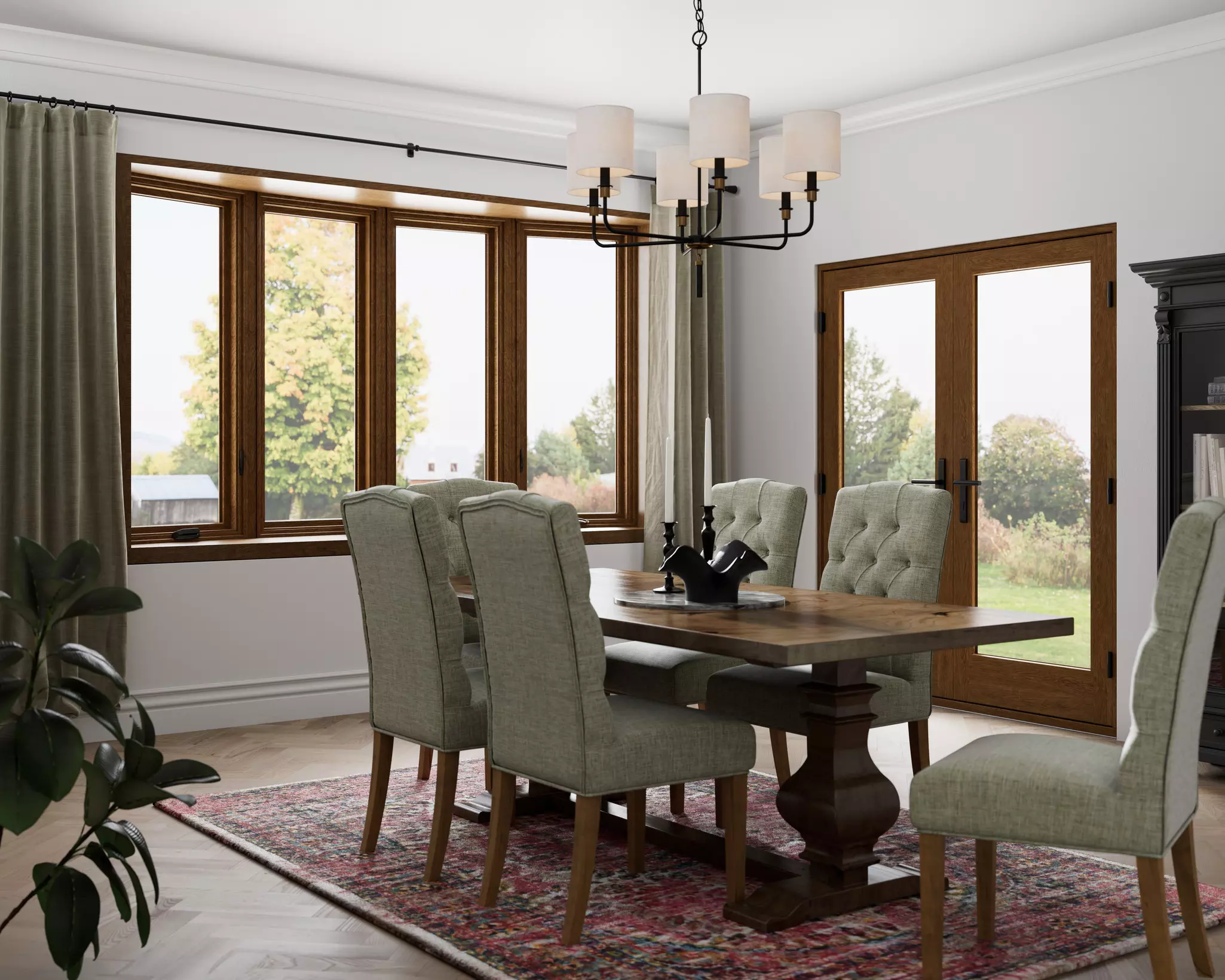
If picture windows are the most efficient single-window choice for light, bay and bow windows are the most powerful. That’s because they capture light from multiple angles at once: something no flat window can do.
Both styles project outward from the home's exterior. Bay windows combine a large center pane with angled side windows; bow windows use a series of equally sized panes curved in a gentle arc. In either case, the geometry matters.
A bay or bow window on a south-facing wall catches the light that falls directly in front of it, while the angled side panes pull in morning light from the east and afternoon light from the west simultaneously. That multi-angle light is what makes bay and bow windows feel so dramatically bright compared to flat windows of similar wall width.
For living rooms and dining rooms in a home – the spaces where people spend the most time and where a bright, open atmosphere matters most – bay and bow windows are one of the most impactful upgrades available.
Sliding windows
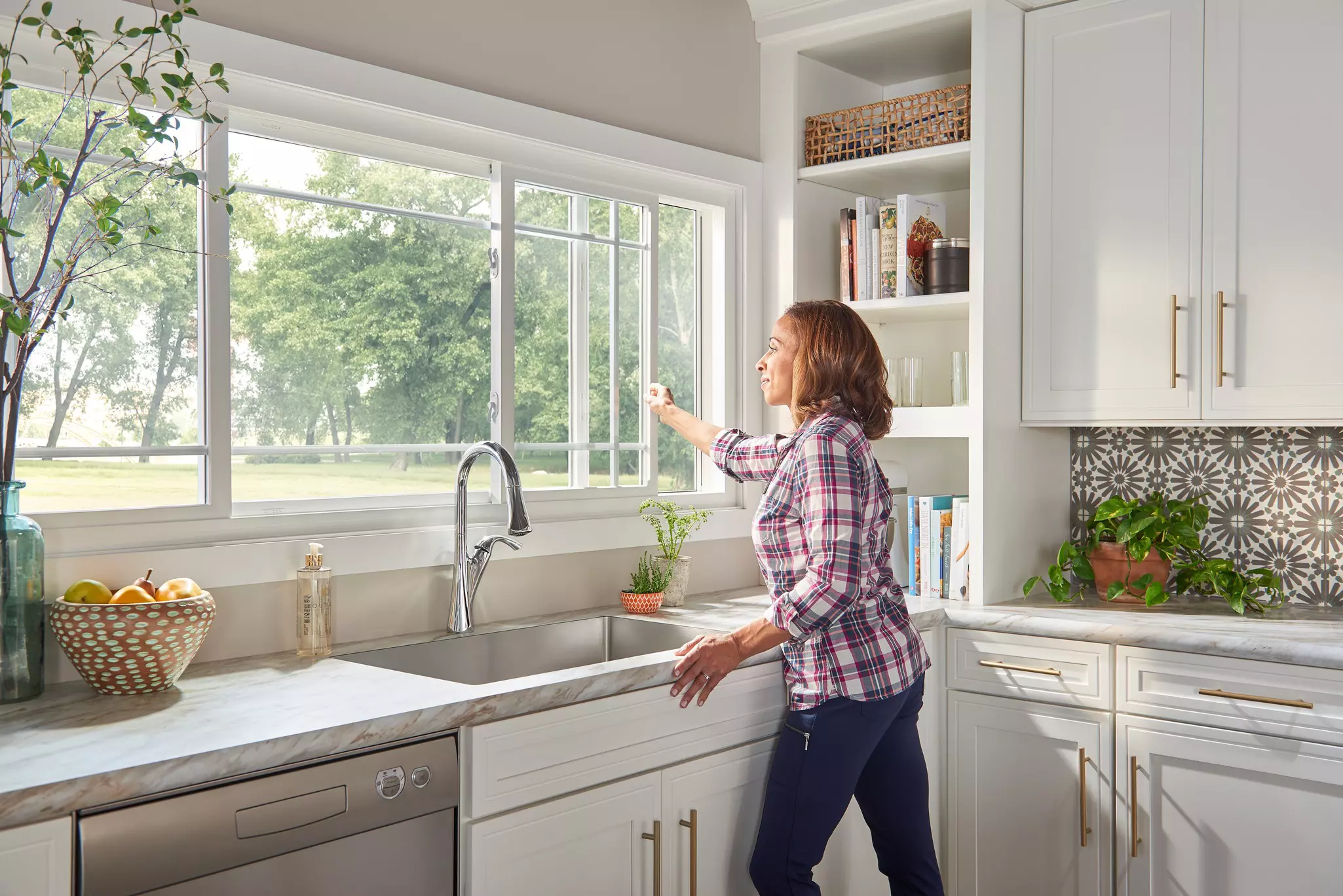
Sliding windows don't always make the shortlist when homeowners think about natural light, but they should. Their wide horizontal format maximizes glass area in spaces where wall height is limited, like:
- Above a kitchen counter
- In a basement
- In a low-profile room where a taller window isn't practical
The broader pane catches more ambient light than a narrower double-hung in the same opening, and the clean, unobtrusive profile keeps the focus on the glass rather than the frame.
Casement and awning windows
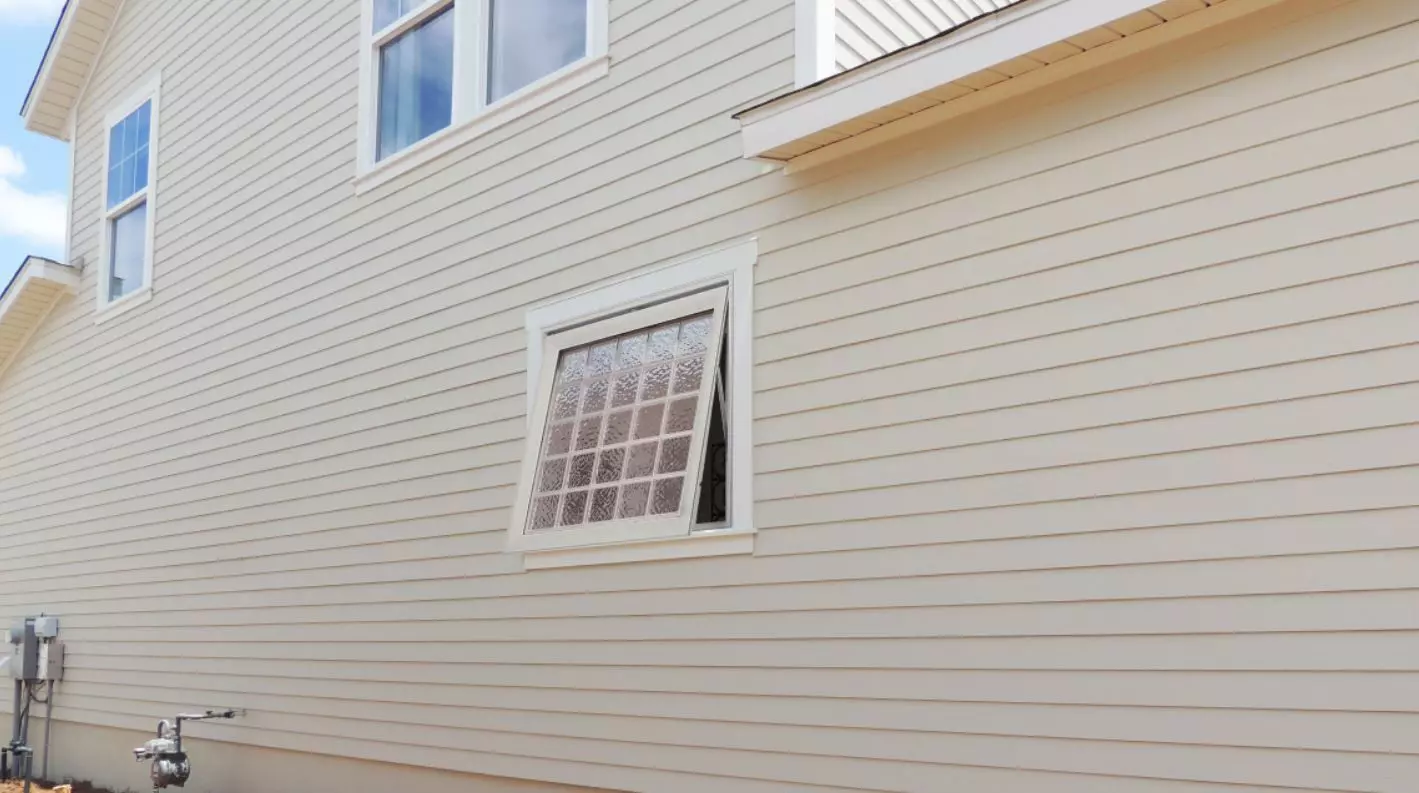
Casement and awning windows aren't the primary choice when maximizing light is the goal – their glass area is more limited than picture or bay options – but they have one useful advantage: a single unobstructed pane with no meeting rail. That means marginally more light transmission than a double-hung window of the same size.
Where they shine (pun intended) most in a natural light context is as companions to larger fixed windows. An awning window above or beside a picture window gives you the ventilation a picture window can't provide, without meaningfully cutting into the light it delivers. It's one of the most practical window pairings for rooms where both brightness and fresh air matter.
Double-hung windows
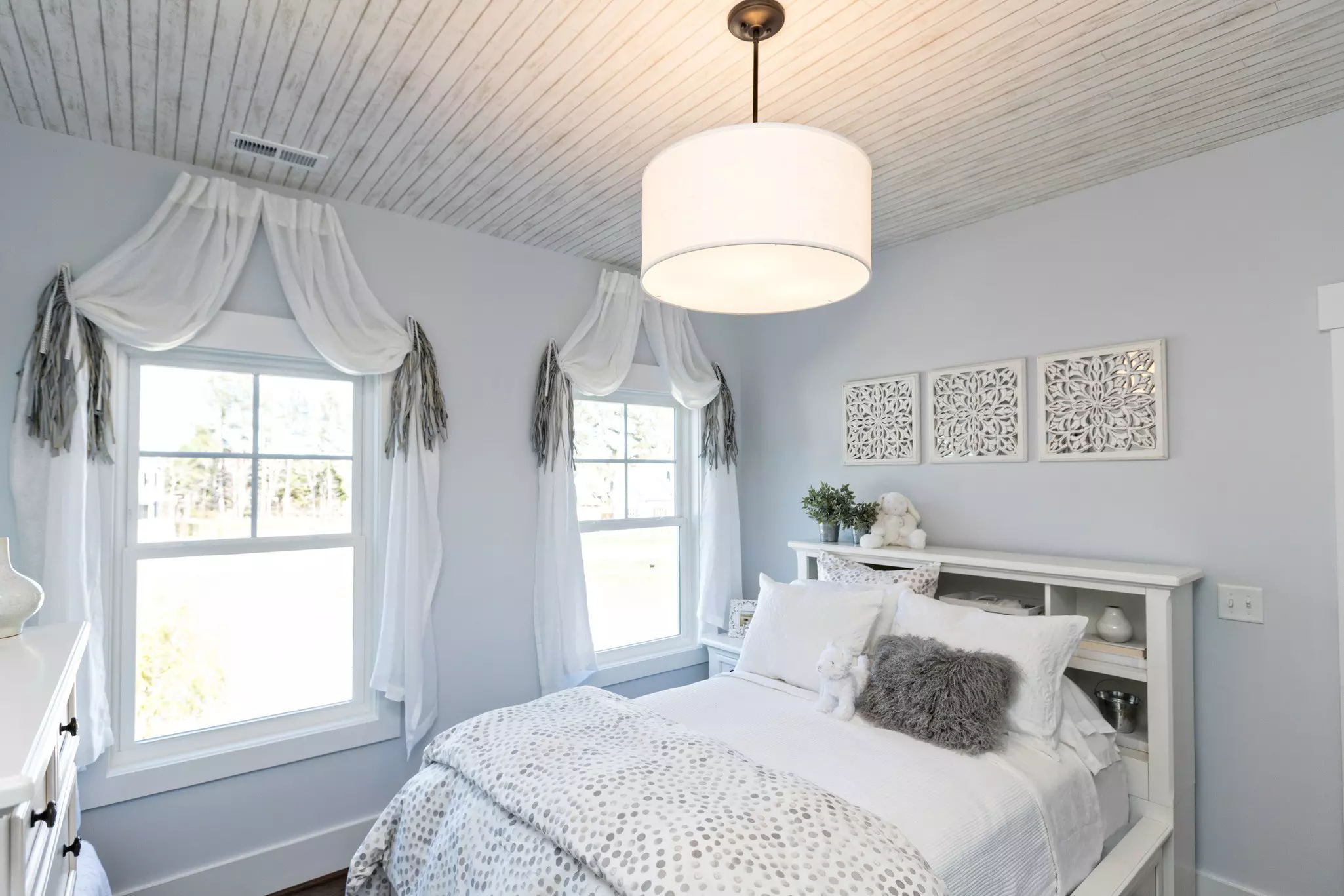
Double-hung windows are the workhorses of the window world, and they're a perfectly solid choice for natural light, especially when sized generously and placed thoughtfully. The meeting rail where the two sashes meet does reduce effective glass area slightly compared to fixed or single-sash styles, but in a well-positioned, larger opening, that difference is modest.
Where double-hung windows really prove their value in a natural light strategy is in the upgrade. Homeowners replacing older, smaller double-hung windows with larger modern equivalents often see a meaningful jump in brightness from the same opening, simply because modern frames are slimmer and the glass area is greater. If you're already happy with double-hung windows throughout your home, upgrading to larger sizes is an easy way to let in more light without changing your window style.
Where should you place windows for the most natural light?
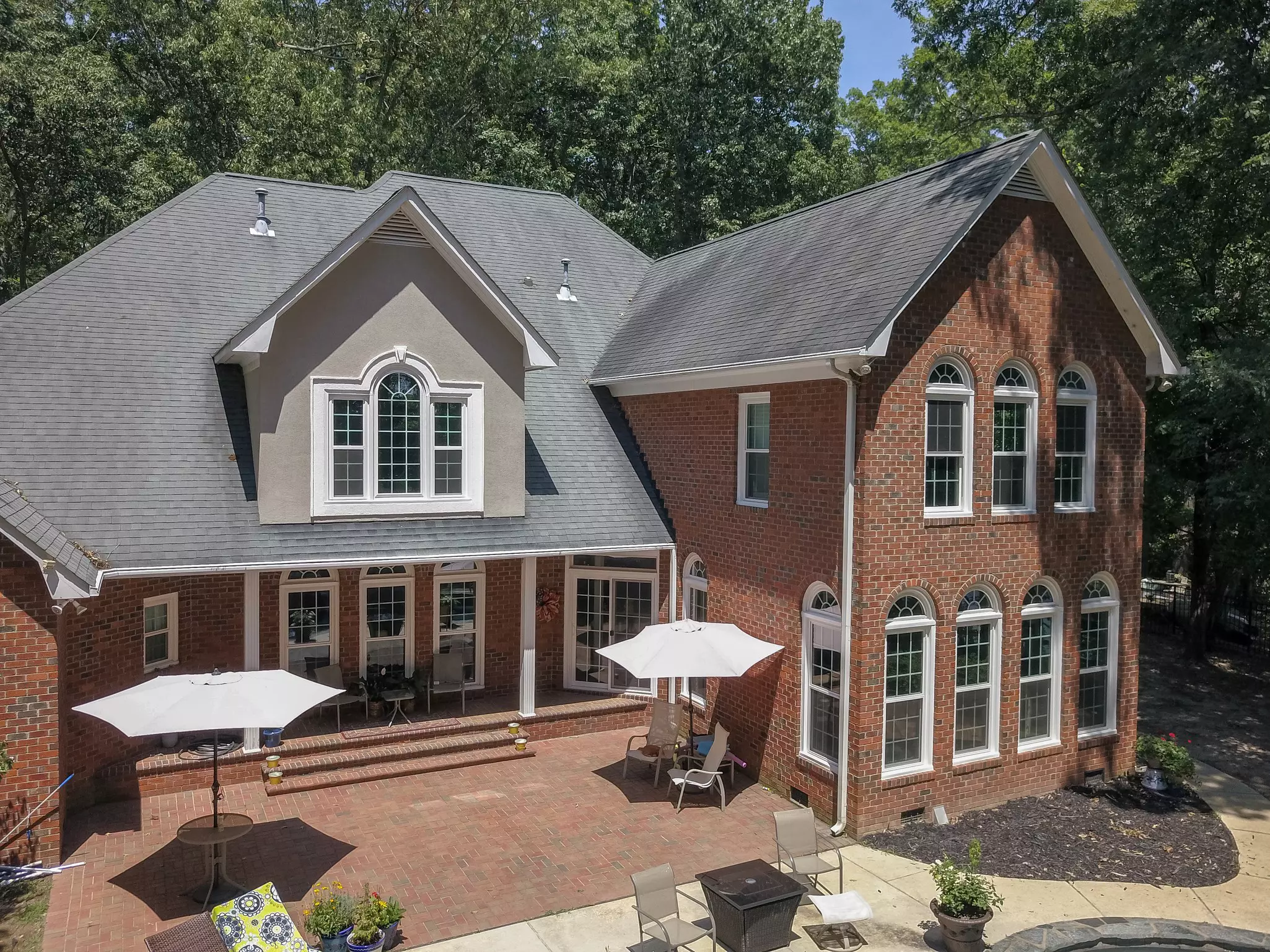
That all said, style is only half the natural light equation. Where your windows sit – on which wall, facing which direction, and how high on the wall – shapes how much light enters your home and when throughout the day.
South-facing windows
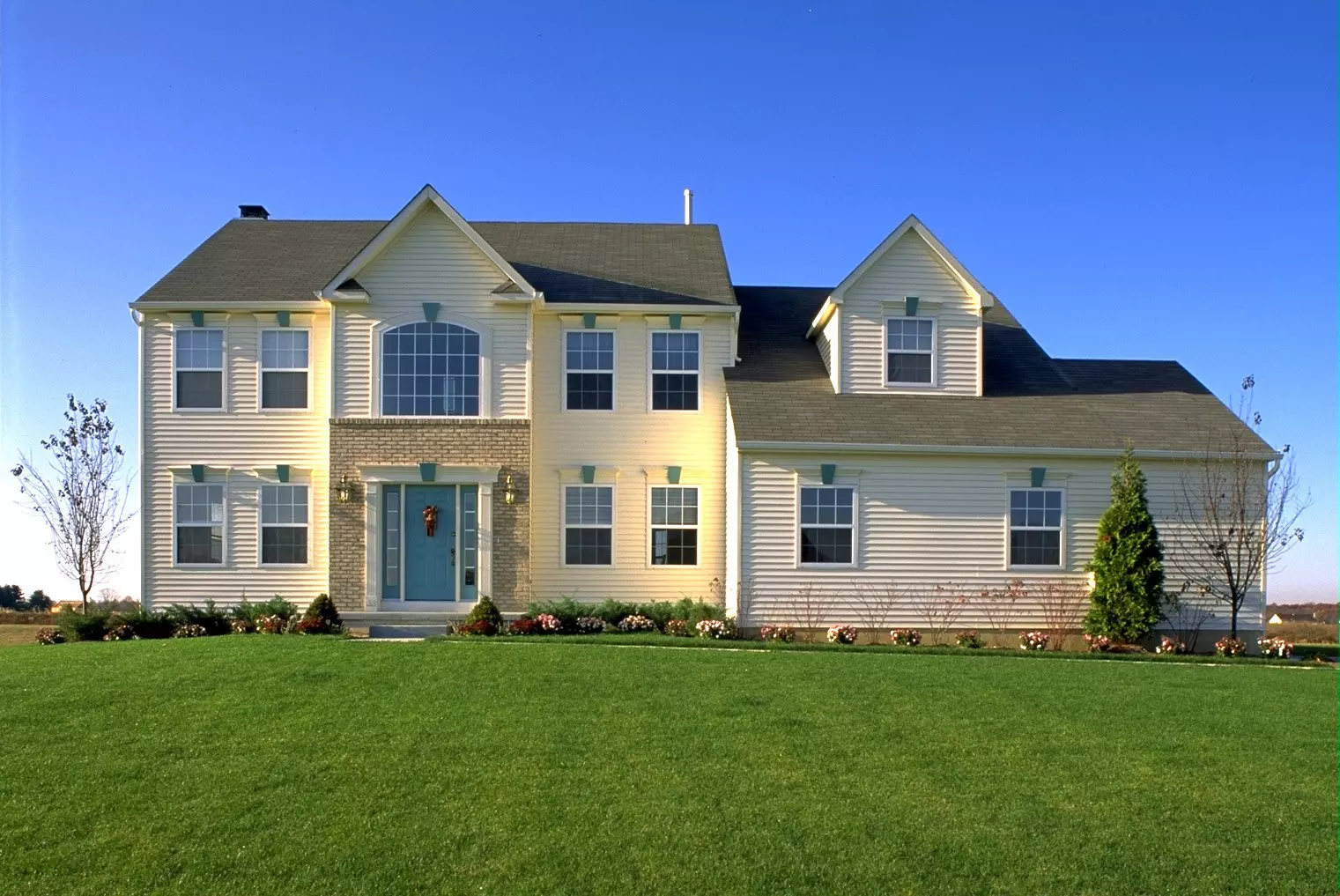
South-facing windows are the gold standard for natural light in the northern hemisphere. The sun tracks across the southern sky throughout the day, which means south-facing windows receive more total direct sunlight than any other orientation in both summer and winter.
In our region's climate, where summers are hot and humid, the smart move is pairing south-facing windows with Low-E glass, a microscopically thin coating that reflects infrared heat while still allowing visible light through. You get the brightness without the room turning into a greenhouse on a July afternoon. For living rooms and main gathering spaces, south-facing placement with the right glass is the single most effective natural light strategy available.
East- and west-facing windows
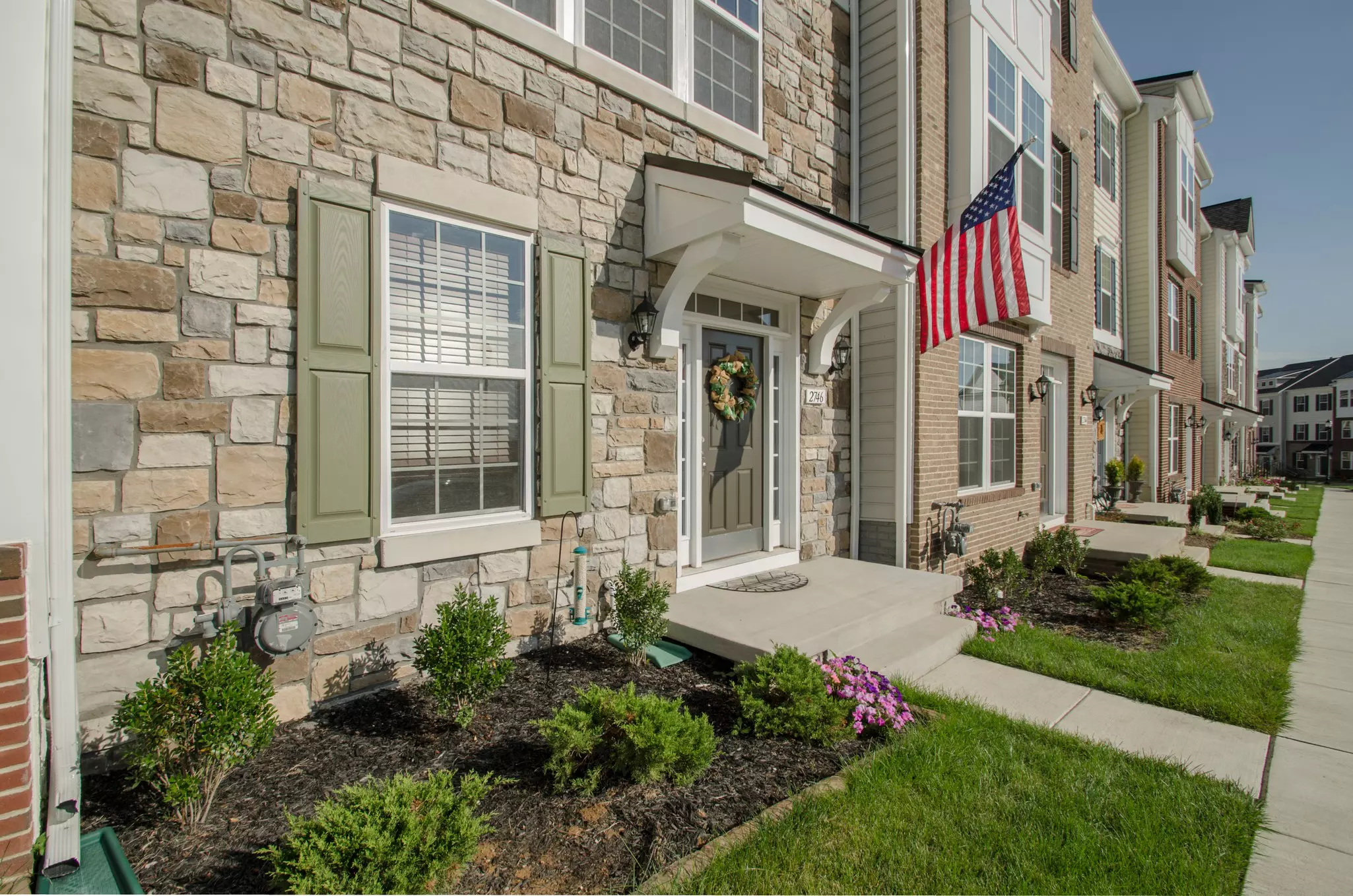
East-facing windows bring in morning light, which is warm, energizing, and lower-angle, which means it penetrates deeper into the room than midday sun. Bedrooms and breakfast areas are natural beneficiaries.
West-facing windows, meanwhile, deliver the golden afternoon and evening light that makes rooms feel cozy and dramatic, but also bring the most intense solar heat gain of any orientation. Low-E glass is especially worth prioritizing on west-facing windows for homes across north-central North Carolina for exactly that reason.
Both orientations are productive for natural light. The key is choosing the right glass to manage the heat so the brightness stays and the discomfort doesn't.
North-facing windows
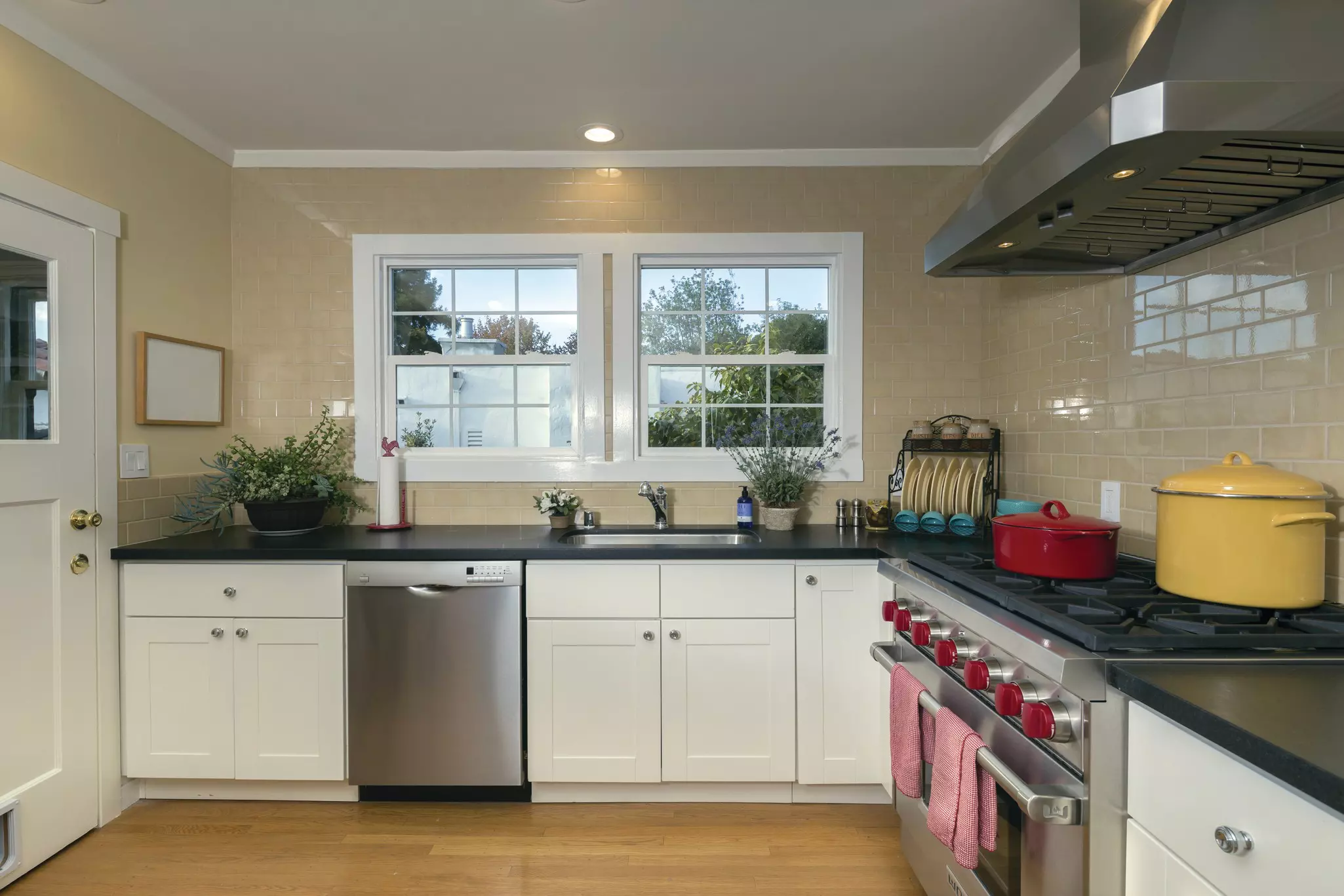
North-facing windows receive no direct sunlight at any point in the day. What they do provide is soft, consistent, diffused light that doesn't shift dramatically through the hours or cast harsh shadows. It's the kind of light designers and artists seek out for its even quality.
For kitchens, home offices, and utility spaces, north-facing windows are a reliable source of ambient light that won't glare off a screen or a countertop. They're not a powerhouse for brightness, but they're not nothing either – and in rooms where glare is as much a problem as darkness, they might just be the perfect choice.
Window height and placement on the wall
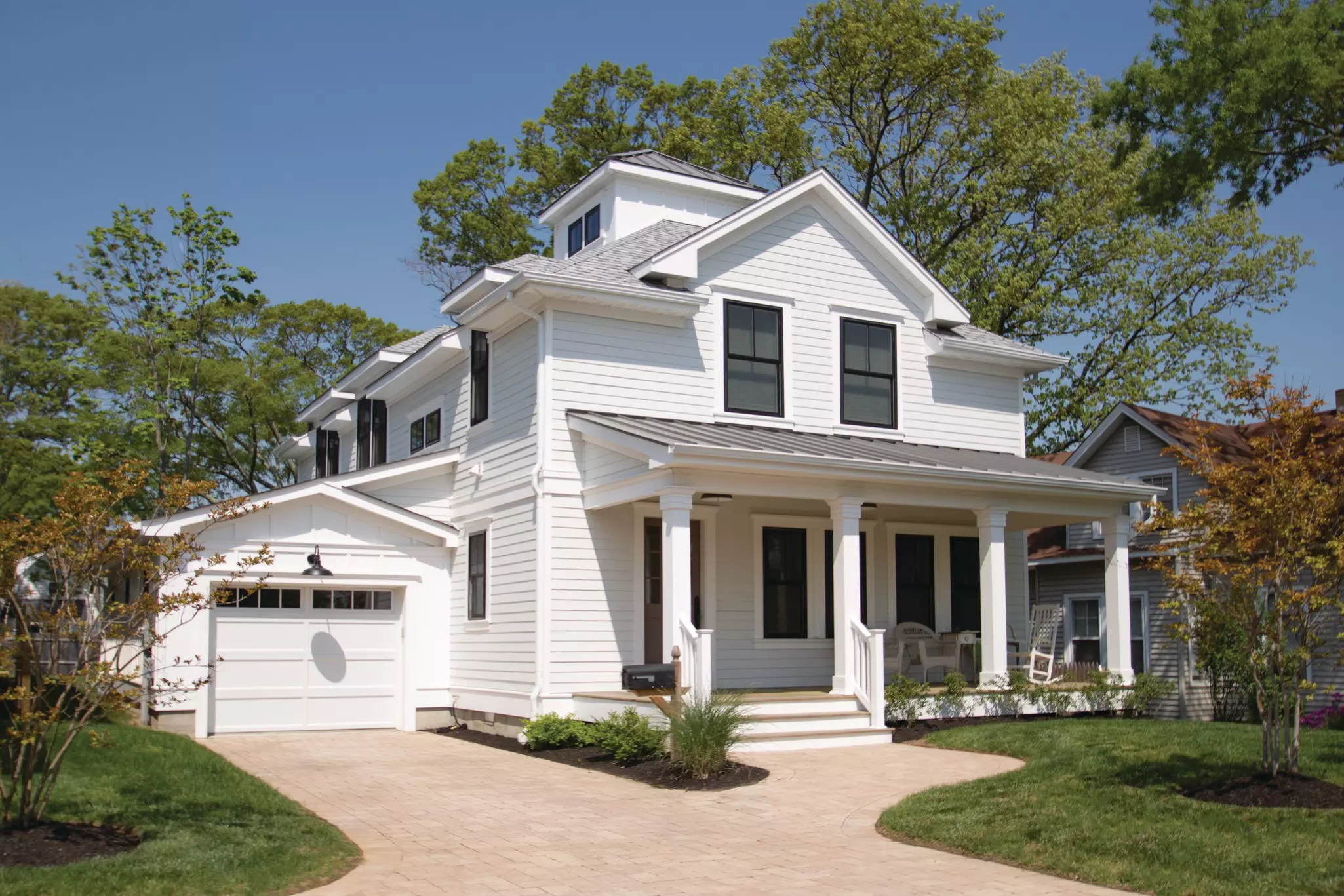
Where a window sits on a wall matters as much as which wall it's on. Higher placement – sometimes called clerestory positioning – lets light penetrate deeper into a room than a low window does, which is particularly valuable in rooms where privacy limits how much of the lower wall you can open up.
Multiple windows on adjacent walls create cross-lighting that reads as brighter and more even than a single large window on one wall alone. And stairwells and hallways – some of the darkest, most overlooked spaces in a home – benefit enormously from a well-placed window that brings light into a transitional space without requiring any furniture rearrangement or home renovation beyond the window itself.
Find the right windows for natural light with Window World of the Triad
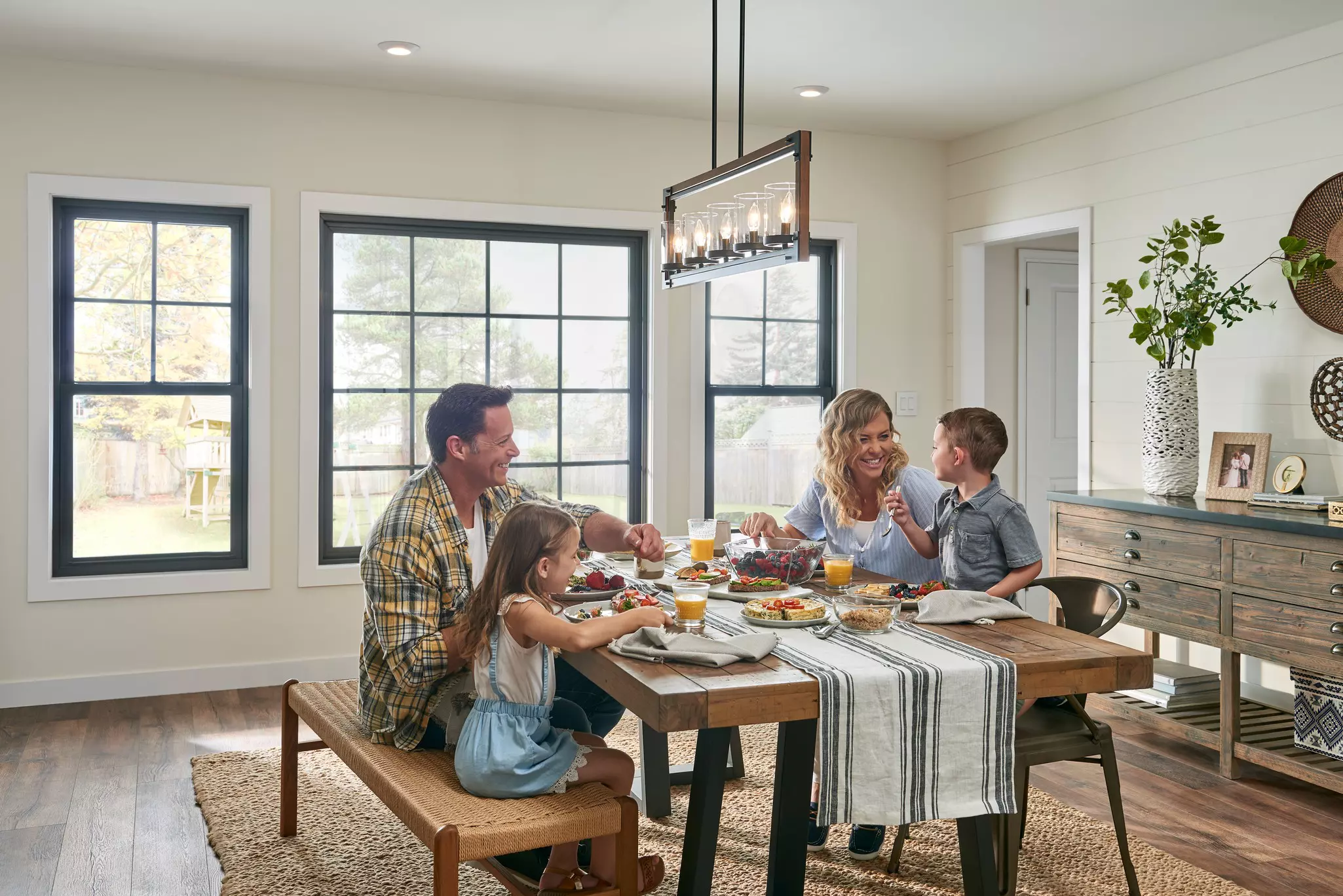
Window World of the Triad carries the full range of styles covered here – picture, bay and bow, sliding, casement and awning, and double-hung windows – so you can match the right window to every room and every wall in your home. Our ENERGY STAR-rated glass balances light transmission with solar heat management, which matters in a summer where you want every bit of that natural light without the energy penalty. And if you want to get a sense of how different window styles might look on your home before committing, our online visualizer lets you experiment with options using a photo of your own house.
Ready to brighten things up? Window World of the Triad offers free in-home consultations – no pressure, no obligation – to help you figure out which styles and placement strategies will make the biggest difference for your specific home. Request your free quote to get started.