


 Back to Blogs
The Biggest Difference Between Bay and Bow Windows
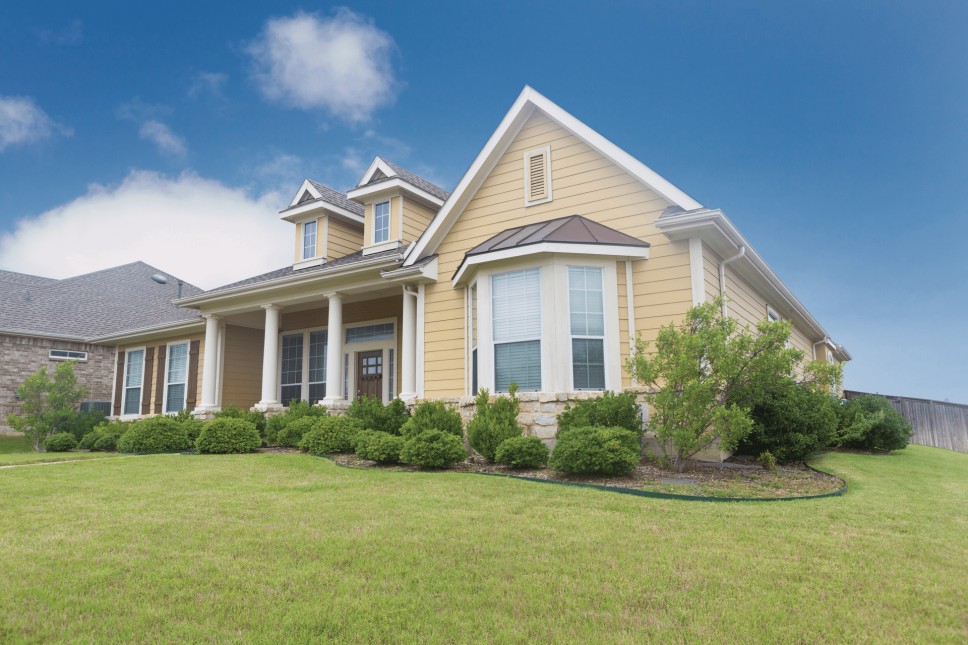
If you're looking to replace some of the windows in your home, like single-hung windows or broad living and dining room picture windows, good news – you've got plenty of options! Replacement bay and bow windows are some of the most popular, thanks to their sizes and the extra space and character they bring to your house.
But what if you’re not sure which to choose? In these instances, knowing the differences between bay windows vs. bow windows could help you make the best decision for your budget and your Triad home. Let’s take a closer look.
What are bay windows?
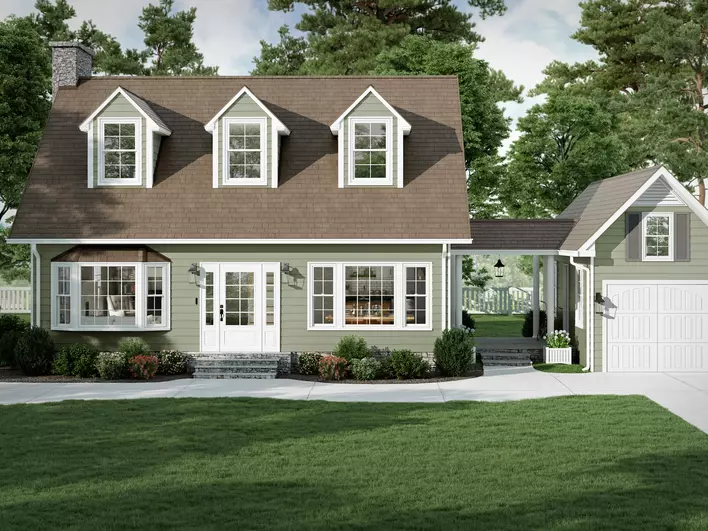
Put simply, a bay window is a type of window with three glass panels extending out from your home in a half-circle or hemispherical design. Most bay windows have a fixed, immovable center window flanked by two additional windows. These side windows can usually be opened to let in fresh air from time to time.
Depending on the type of bay window you choose, the center window might be the biggest of the bunch, or all three window panels might be the same size. Check out these example bay windows from Simonton to see what they look like.
Benefits of replacement bay windows
Bay windows’ benefits are easy to imagine, even if you haven’t lived in a home with one before. Bay windows give you extra space in any given room – many homeowners find them perfect for reading nooks. Since they use large windows, bay windows also bring in lots of fresh air and natural light. Since they open up rooms so well, they’re popular replacement windows for living rooms and large bedrooms.
How much do bay windows cost?
On average, you can expect a new bay window to cost anywhere from $1,000 to $7,000 or more, depending on the materials you use, the labor you hire, and how much extra construction work might be needed to make your walls ready for expansion.
What about bow windows?
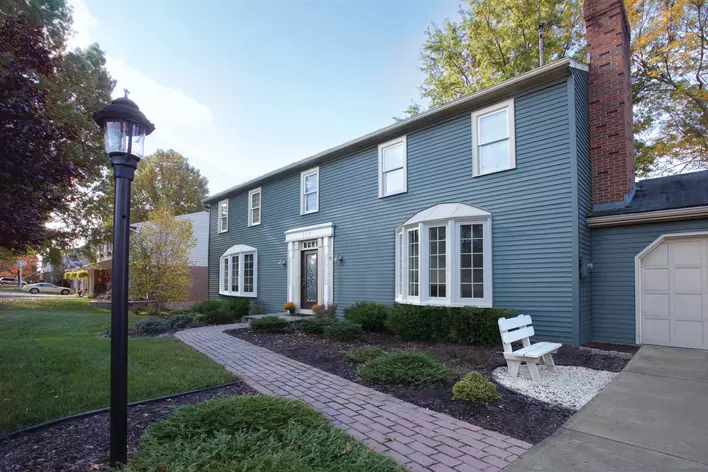
Bow windows are somewhat similar to bay windows since they protrude out from your house in the same way. However, bow windows don’t extend as far as bay windows, and they usually have between four and six glass panels instead of three. A bowed window is more panoramic, making them ideal for wider rooms with more wall space.
Benefits of replacement bow windows
Bow windows offer plenty of advantages. For starters, they let in tons of natural light, even compared to bay windows, as they have more glass panels that might replace your living room or dining room walls. Since they’re wider, bow windows also offer extra windowsill space for decorations, cushions, and storage benches.
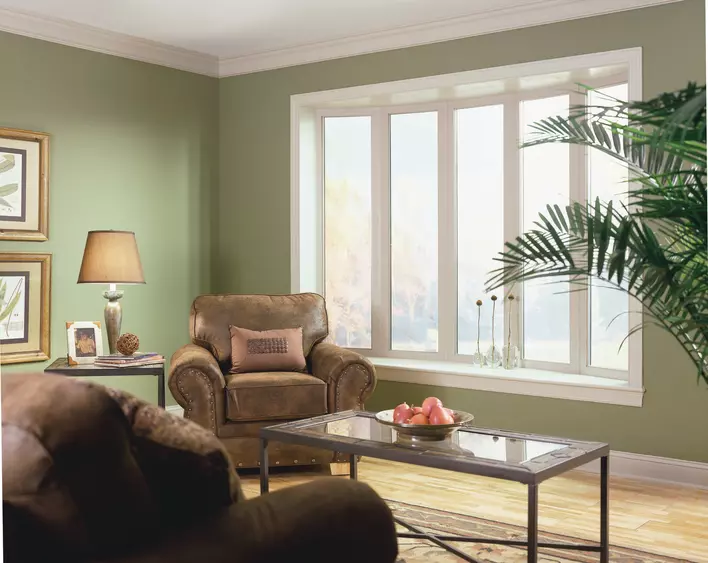
Unlike bay windows, bow windows have their panels installed at roughly the same angles to achieve a smooth, curved aesthetic. Alside’s vinyl bow windows illustrate this elegance very well.
Average bow window prices
Since bow windows are larger than bay windows, they are also usually a little more expensive. Expect to pay anywhere between $1,500 and $8,000 for new replacement bow windows. As with bay windows, final bow window prices will be affected by labor costs and just how much work is needed to prepare your home’s walls.
Bay vs. bow window differences in a nutshell
The differences between bay windows and bow windows may seem minimal, but they're very important. In summary:
- Bay windows are comprised of three window panels, while bow windows have four to six window panels.
- Bay windows can be opened up (even if just via the side windows), while bow windows don’t usually open to permit fresh air flow.
- Bow windows are larger than bay windows, so they let in a little more natural light.
- Bow windows are typically a bit more expensive than bay windows.
- Bow windows have a curved look, while the panels in bay windows are typically installed at 25°, 35°, or 45° angles to each other.
Their similarities are crucial, too! Both are perfect for setting up a new breakfast bar or reading nook. Or you can place family photos, flowers, and other decorations on the expansive windowsills that both types of replacement windows can bring to your Triad property.
Which window is right for you?
When choosing between replacement bay windows and replacement bow windows, you should think about your home’s aesthetic, your budget, and your interior preferences.
For example, if your Triad home has a lot of smooth lines and curves for its exterior shapes, a bow window might be a better choice since its curved design will fit better with your existing home architecture. On the other hand, if you want to install replacement windows that can open up for fresh air, a bay window installation may be the better choice.
Bay windows may also be better if you have a more limited budget, although working with the right window brand could help you secure significant savings for either type of window installation.
If you still can’t choose between these window types, the experts at Window World Triad can help. Not only can we help you find the perfect energy-efficient windows for your renovation project, but we’ll also tackle installation – contact us today to find out more!