


 Back to Blogs
Which Type of Window is the Most Energy Efficient?
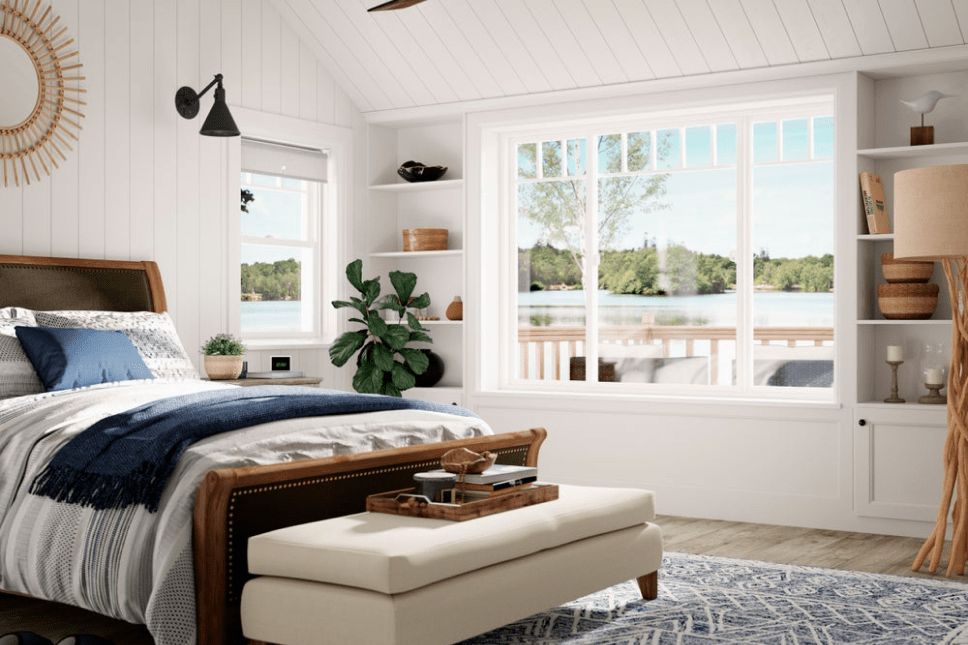
Trying to cut back on utility costs? What about opening up a room and letting in some bright sunshine? Or making your home look newer by replacing old, drafty windows? Energy-efficient windows can do all of that, plus make your home comfortable and qualify you for tax credits!
With so many types to pick from, however, you might wonder which type of window is the most energy efficient. Before you buy a set of quality new windows, let’s break down which are the most energy-efficient and why. You can also talk to our experts about your options at Window World of the Triad by contacting us online.
What are energy-efficient windows?
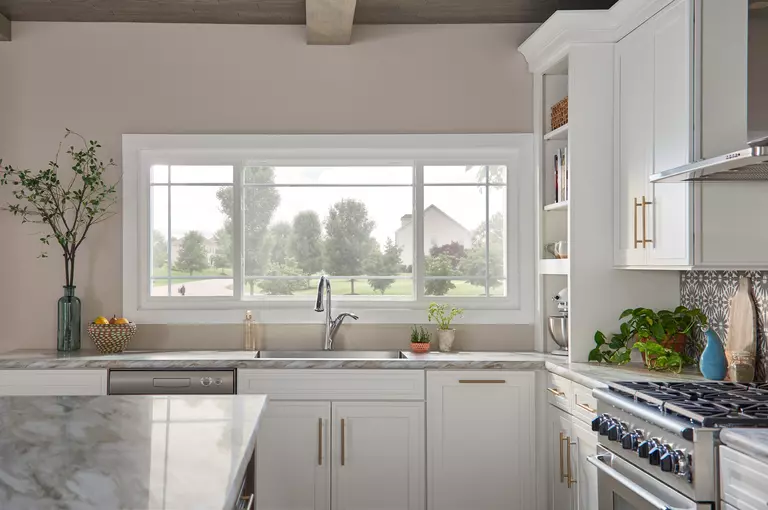
When you drill down into their details, energy-efficient replacement windows aren't all that complicated. Simply put, energy-efficient windows work because they have multiple panes of glass layered on top of each other and retain an insulating gas – typically argon or krypton – between those layers.
The result? Thermal energy has a tough time transmitting through both the physical layers of the glass and the gas layers. If it’s hot outside, that heat won’t easily pass through your window into your home. If it’s cool outside, that warmth of your house will stay inside for much longer compared to a standard window with just a single glass pane.
All energy-efficient windows work the same way, and many feature energy-efficient frames made of materials like vinyl or fiberglass for even better performance; Alside’s Sovereign Ultra-Premium Vinyl Windows showcase this in style. Replacing any standard window with an energy-efficient alternative is excellent – but it’s also true that some windows are a little more energy efficient than others.
Factors that impact window energy-efficiency
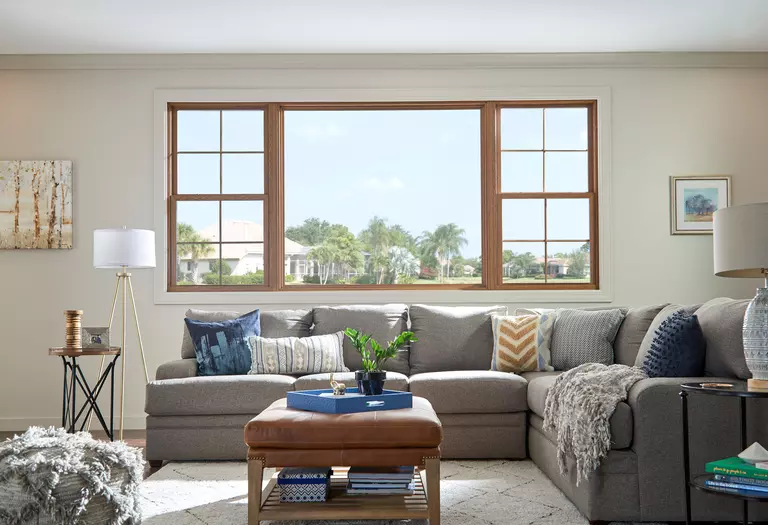
Just like siding, entry doors, and other home elements, the energy efficiency of windows can vary (heavily, in some cases). If you want to upgrade your Triad home with the most eco-friendly windows available, you'll want to think about these key factors before you buy.
Glass layers
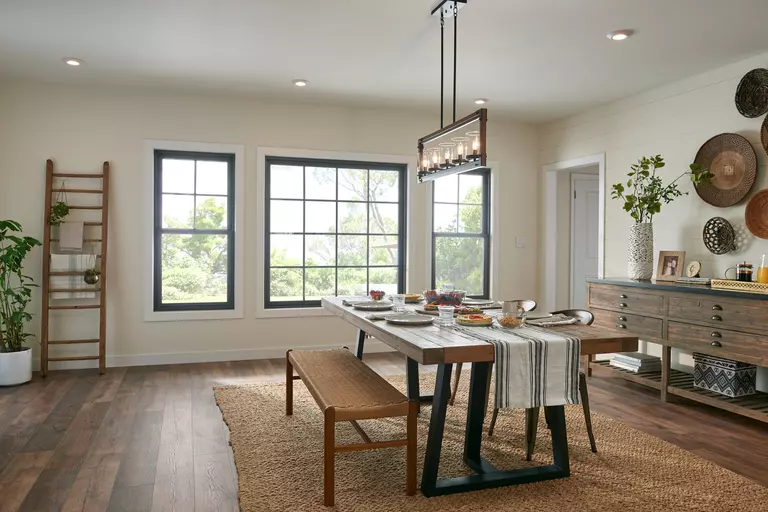
First, the number of glass layers a window is built with directly affects its overall energy efficiency. The more layers of glass a window happens to have, the more physical layers heat needs to go through.
Many energy-efficient windows come with dual-pane designs, meaning they have two glass panes. Even more efficient windows will have three panes of glass instead. Want the most energy savings? Opt for triple-pane glass windows every time.
Window operability
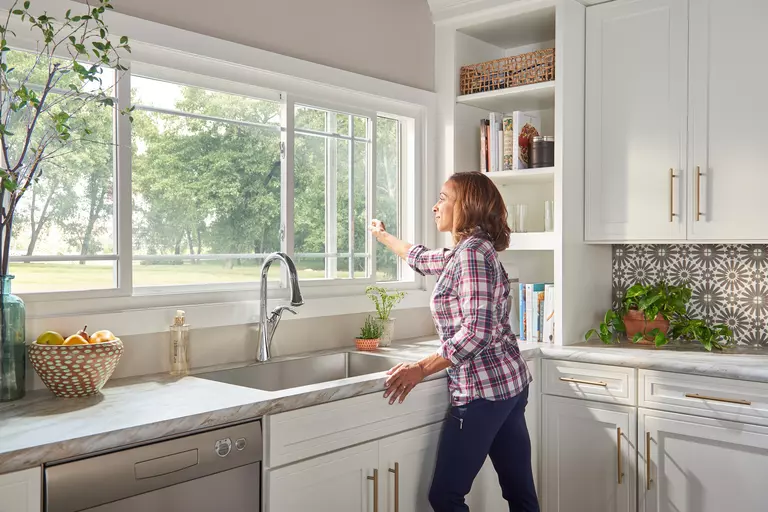
An “operable” window is one that you can open and close to some extent. Examples include classic single-hung windows, casement windows, and sliding windows.
Operable windows are useful because they let you easily enjoy fresh air or a cool breeze from time to time. And while they may be considered energy-efficient windows, they’ll be less efficient than fixed windows that don't move.
Why? Operable windows have sashes and moving parts that must slide between each other and/or window frames. They have to leave a tiny gap – otherwise, no movement would be possible. In general, operable windows aren’t quite perfectly sealed shut, even when locked, compared to windows that never open.
Window size
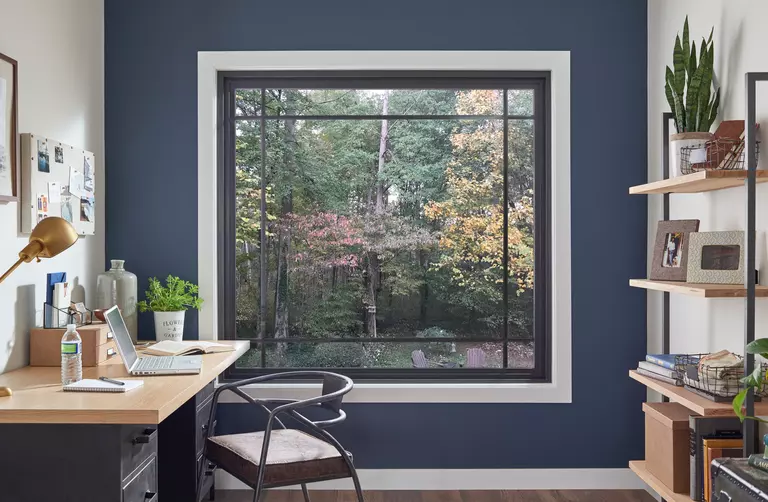
Larger windows are generally a little less energy efficient compared to smaller ones. Triple-pane glass windows are very resistant to thermal energy transfers. However, properly insulated house walls with thick siding are even better.
For example, a big picture window (such as one of Simonton’s exceptional picture windows) has more glass square footage compared to a smaller window. The more space glass takes up, the less energy efficient that entire wall is compared to, say, a wall with no windows at all.
That said, energy-efficient glass may be more protective against thermal energy loss than low-quality insulation. Don’t let energy efficiency discourage you from choosing a big window or two – with high-quality window glass, the difference is minor enough that you likely won't notice it!
What are the most energy-efficient windows?
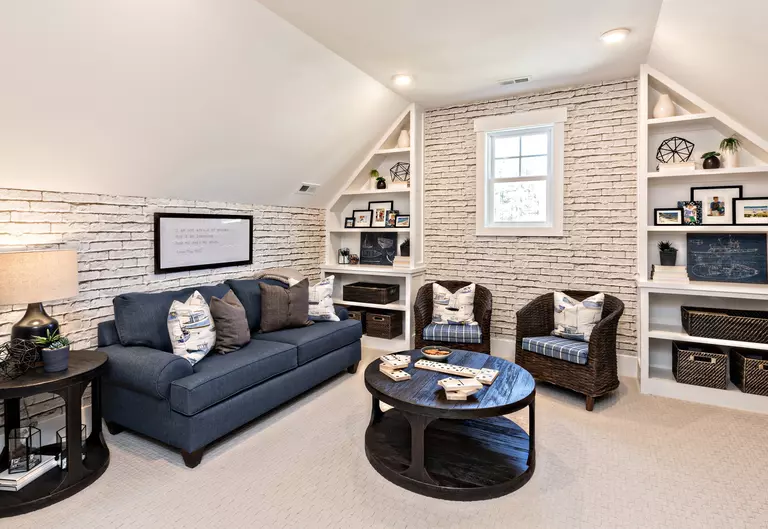
With all this in mind, the most energy-efficient windows are:
- Smaller instead of larger
- Designed with three panes of glass
- Non-operable (also called “fixed” windows)
Now that you know the attributes that the most energy-efficient windows have, it's easy to picture hypothetical windows with the best performance. Small architectural windows, moderately sized bay or bow windows, and garden windows are all phenomenal options if you want to truly maximize the energy efficiency of your Triad home.
Which is more energy efficient: single-hung or double-hung windows
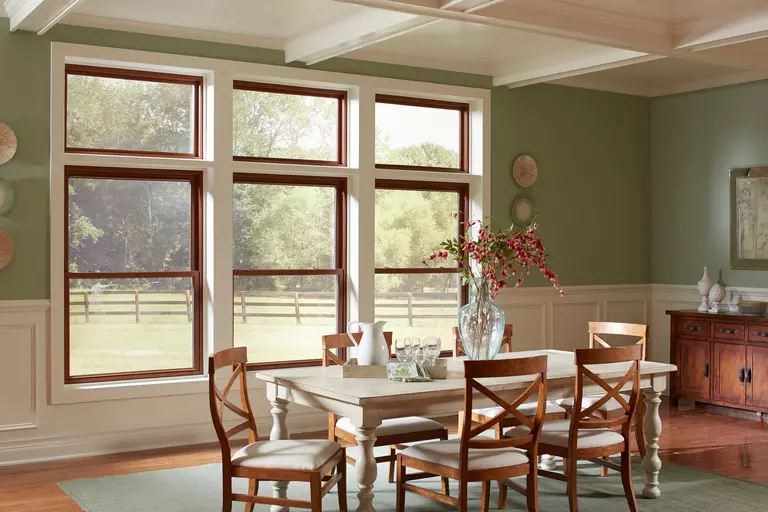
Let’s look at an example of more vs. less energy-efficient windows with two of the most popular types: single- and double-hung windows.
Double-hung windows have two operable sashes – they open from the bottom and the top instead of just the bottom. Given that fact, single-hung windows are more energy efficient than double-hung windows because their upper sashes can be permanently fixed or sealed to the frame. Fewer gaps mean fewer areas for heat to move between and more energy efficiency.
Should you only choose the most energy-efficient windows?
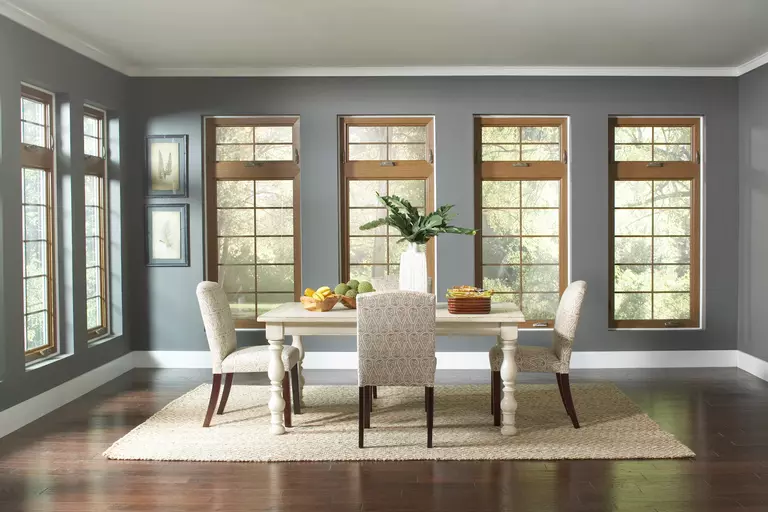
All this discussion about the most energy-efficient windows is good for planning your next home renovation. But don't forget to ask yourself the most important question: what do you really want out of your new windows?
Pure energy efficiency isn’t the end-all, be-all, especially if you care about things like style, fresh air, and natural light. In most cases, the differences in energy efficiency between different window types will be minimal if the windows are made with the same core design principles – namely, having multiple panes of glass and insulating gas between the panes.
In fact, it’s unlikely you would ever see a significant difference in your energy bill if you installed a small fixed window compared to a larger sliding window (assuming you didn’t leave the sliding window open for long periods of time, of course!). Take it from the experts; you’ll be better off choosing windows from trusted brands and following your home décor instincts than worrying about minute variations in energy efficiency between window types.
Finding the right energy-efficient windows for your home
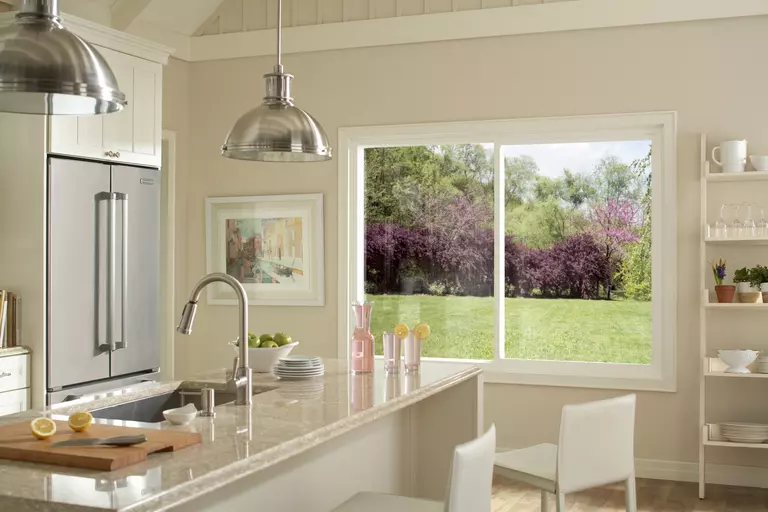
Now you know exactly how to choose energy-efficient windows and maximize your energy savings. It’s time to start shopping – and there’s no better place to find great window options than Window World of the Triad.
Our experienced staff can help you find the right windows, pick the ideal colors, and set up an installation appointment that fits your schedule. It all starts with a quote, so request a quote, give us a call at 336-364-5014, or stop by our local showroom to get started!