


 Back to Blogs
Understanding the Differences Between Exterior and Interior Window Shutters
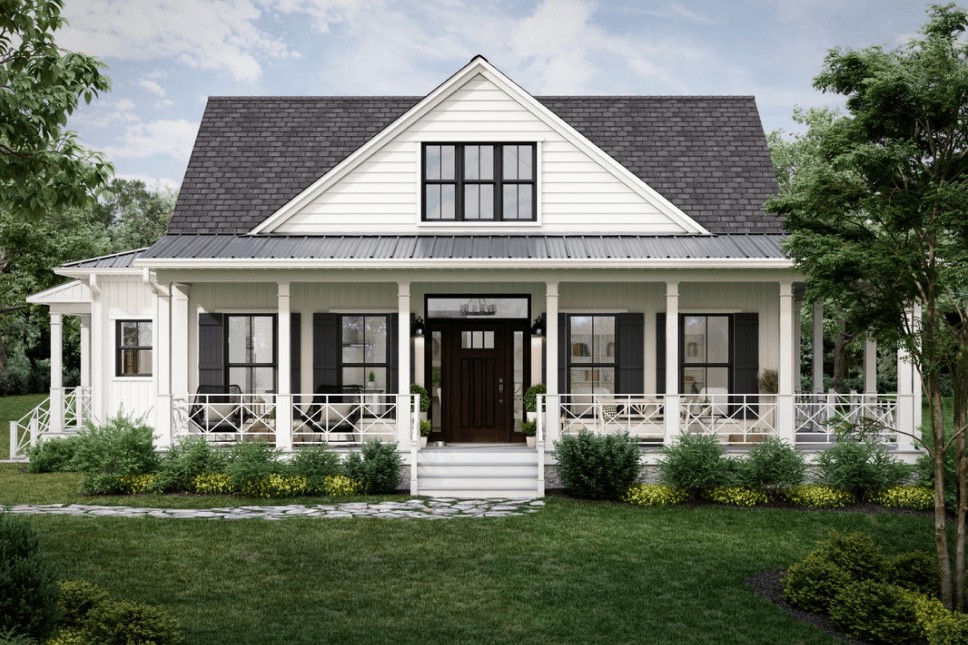
Shutters are popular home upgrades, especially when they’re paired with aesthetically appealing, energy-efficient windows! The right shutters can add curb appeal, protect your windows, and give you plenty of control over your privacy.
When you start researching different shutter types for your Triad home, however, you’ll quickly discover that there are both exterior window shutters and interior window shutters. Which is right for your home? That’s a question we can help answer, so keep reading. You can also contact us online to learn more about what our team at Window World of the Triad can offer your home.
Open or closed?
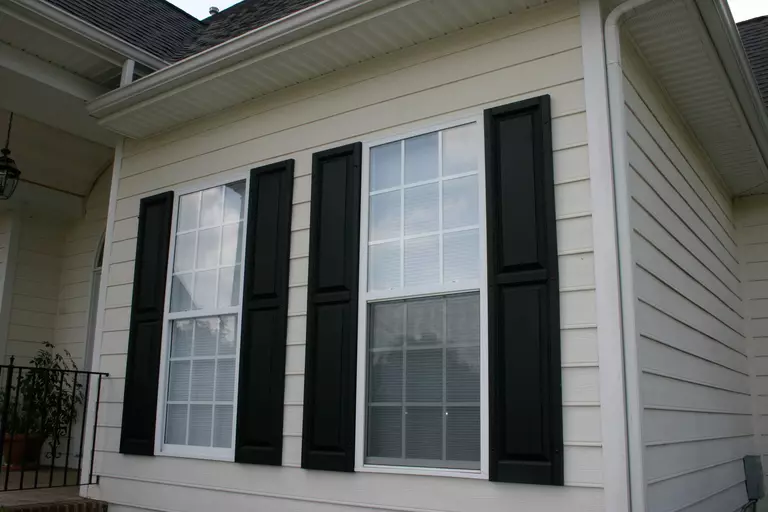
One of the biggest differences between exterior and interior shutters is whether they’re meant to be mostly opened or closed.
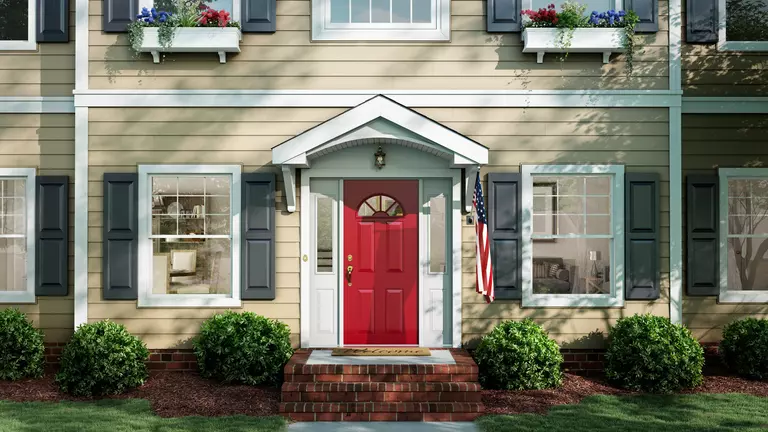
You might think exterior shutters are closed all the time. In truth, it's actually the opposite. Most exterior shutters are purely decorative – while some might be drawn over their windows to protect them, the majority of exterior shutters are accents for curb appeal. They’re kept open to allow natural light through nearby windows.
Interior shutters are more likely to be opened and closed regularly since they're more accessible. With the right set of beautiful interior shutters, you can control how much light flows into a given room during the day, just like curtains. Depending on how much privacy and light you want, you might keep your shutters closed for part of the day and then open them up later on.
Customization options for window shutters
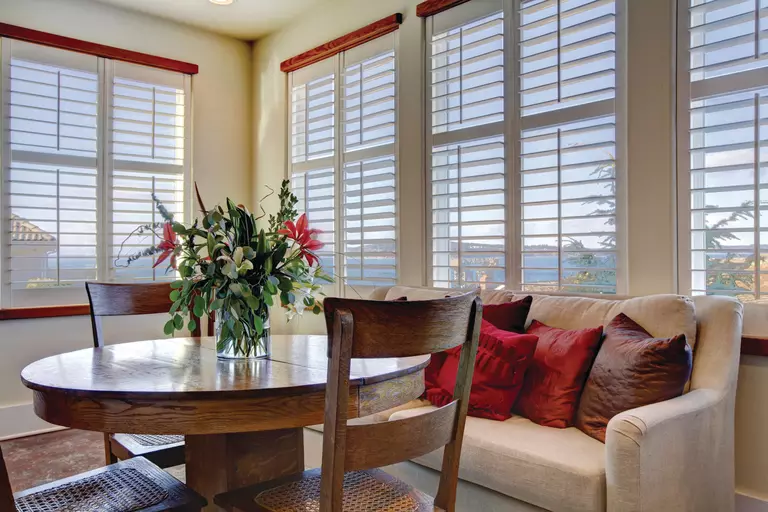
Interior shutters are usually more customizable and have more variety compared to their exterior counterparts. That’s because exterior shutters are crafted to fit the shapes of home windows.
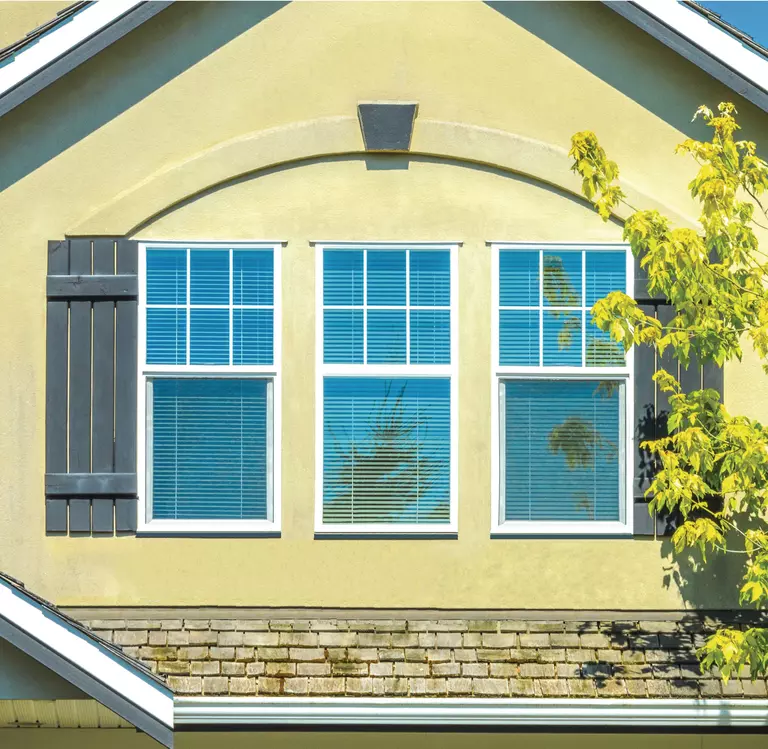
Say that you have an arched window or architectural shape windows, like one of MI Windows’ specialty windows. Your shutters will need to be fitted to accentuate that window’s frame. Interior shutters are more flexible, so you can find them in many more options. Some examples include:
- Café shutters, which cover half the window but leave the other half open
- Soft-edge shutters, which have subtle frames, so they almost seem to be part of a window
- Adjustable slat interior plantation shutters
Privacy or decoration?
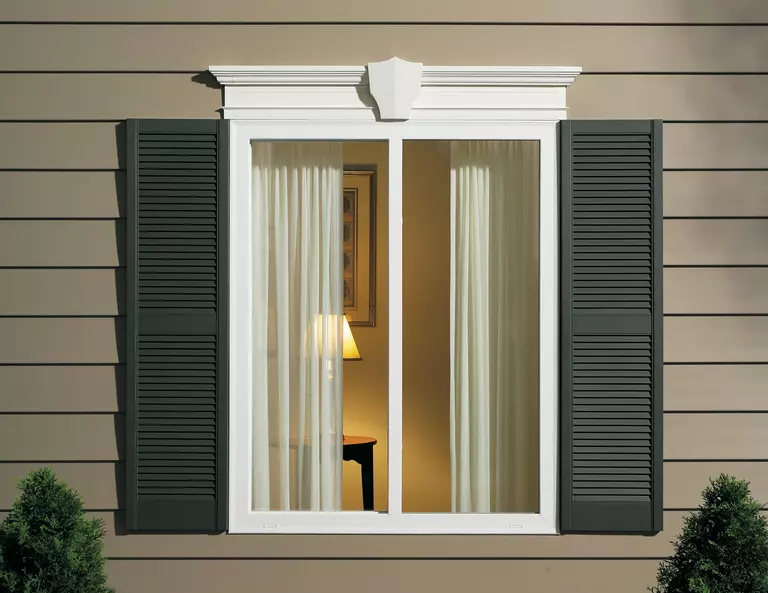
As we touched on above, interior shutters are more useful tools if you want to increase the privacy in your Triad home. They're easy to open and close whenever you like – with exterior shutters, you have to go outside to draw them over your windows if you don't want anyone peeking in, which can be a hassle if the weather isn't good.
Exterior window shutters are decorations more often than not, going well with wide windows that show off your property, such as Wincore’s 7700 Series Picture Window. That doesn't mean they aren't worthwhile home renovations, but it does mean they're better for certain upgrade projects compared to others, depending on your goals.
Exposure to the elements
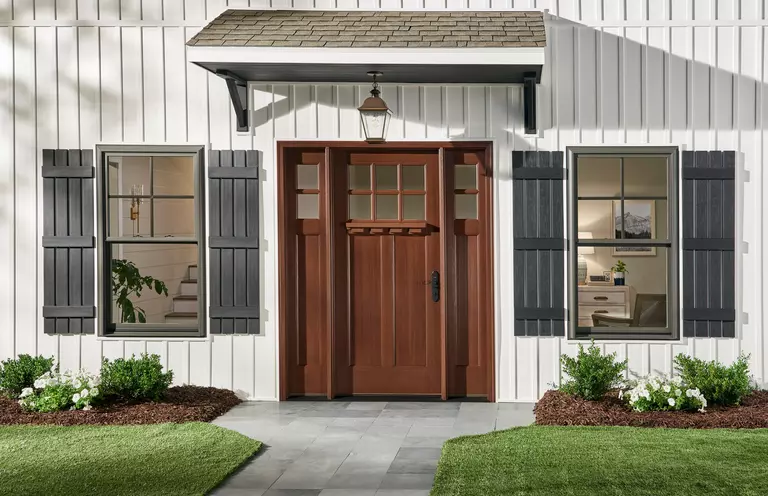
Naturally, exterior shutters are much more exposed to the elements than interior window shutters. Because of this, exterior shutters are often designed to be durable and stand up to more wear and tear. They might be made with more durable faux wood, fiberglass, or other materials, and they might be finished with weatherproof paint or other layers.
Common window shutter materials
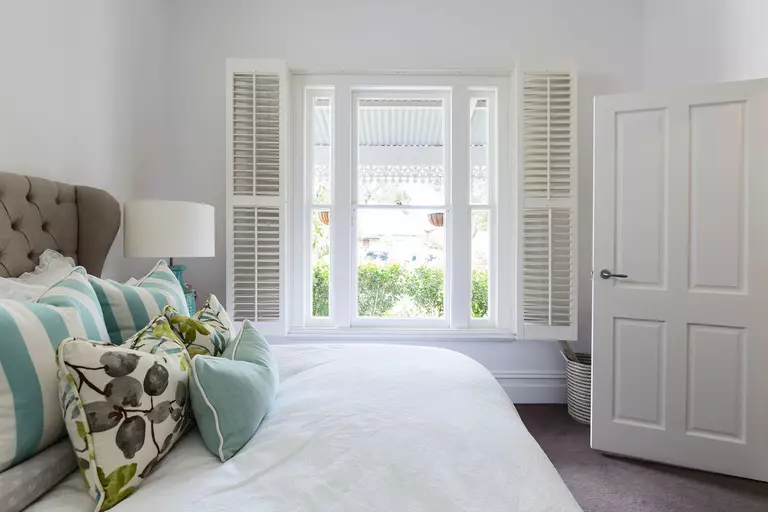
Most interior shutters are made of wood. They aren’t exposed to wind, water, salt, or any other weathering, so they’re also much lower maintenance. It’s easy enough to find quality interior shutters made of authentic, great-looking wood.
Exterior shutters can also be made of wood, but they might also be made of durable vinyl or fiberglass; the latter is a popular choice for many homeowners since fiberglass shutters can replicate the look of wood via woodgrain finishes. That way, you get the durability of fiberglass plus the top-notch wooden appearance you want!
Cost of window shutters
Lastly, the cost of interior vs. exterior window shutters can vary heavily.
Interior shutters may cost anywhere from $150 for a whole window set to up to $45 per square foot for a more custom window treatment job. If you add interior shutters to most of the windows throughout your home, your bill might easily reach a few hundred or a few thousand dollars.
Exterior shutters can be cheaper, though higher quality options (which are often more worthwhile in the long run) are more expensive. The average homeowner pays about $724 for exterior shutters, excluding the labor cost.
Why choose exterior window shutters?
Given the differences between interior and exterior shutters, there are clear situations where you should pick one over the other. You should consider exterior window shutters if:
- You want to protect your windows from exterior hazards, like hail or falling branches. Remember that most exterior shutters are decorative, so you’ll need to look for ones specifically designed for impact defense.
- You want to improve your home’s curb appeal by accenting the windows with stylish shutters.
Why choose interior window shutters?
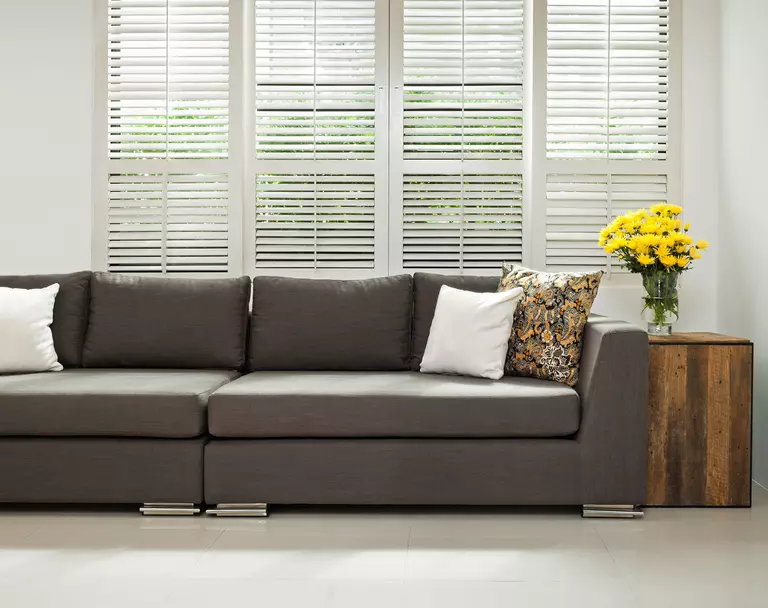
There are lots of reasons to opt for interior window shutters, too. Think about interior shutters if:
- You want more light control in one or more rooms, but you want to achieve it without curtains, shades, or other interior window treatments.
- You want to enhance the privacy of your home. Shutters make it practically impossible for anyone to see inside when they’re drawn shut.
- You want to enhance the interior décor of your property. Certain shutters might go well with your room design or decorations.
Ultimately, interior and exterior window shutters can both potentially add value to your Triad property. If you’re still not sure whether you should pick one or the other, or if you need to look at examples of shutters before buying, Window World of the Triad can help.
Our showroom is stocked with some of the most beautiful shutters in the market, and our experienced contractors can help you choose the best shutter additions for your property, plus handle installation to ensure your renovation goes smoothly! Visit us in person today, request a free quote, or give us a call at 336-364-5014 to learn more.