


 Back to Blogs
Understanding Insulation & R-Values for Your Home

If you’ve ever gotten a quote for insulation products for a home improvement project, you've probably seen those mysterious R-value numbers. R-13, R-30, R-38 – but what do they actually mean? And more importantly, why should you care?
Understanding insulation R-value is one of the most important things you can learn as a homeowner. It directly affects how comfortable your home feels, how much you spend on heating and cooling, and how well your house performs in both sweltering summers and chilly winter nights.
Let's break down what R-value really means, explore the best insulated replacement siding, entry doors, and other products for your home, and discover how Window World of the Triad can transform your house into an energy-efficient home that stays comfortable year-round.
What is R-value, and why does it matter?
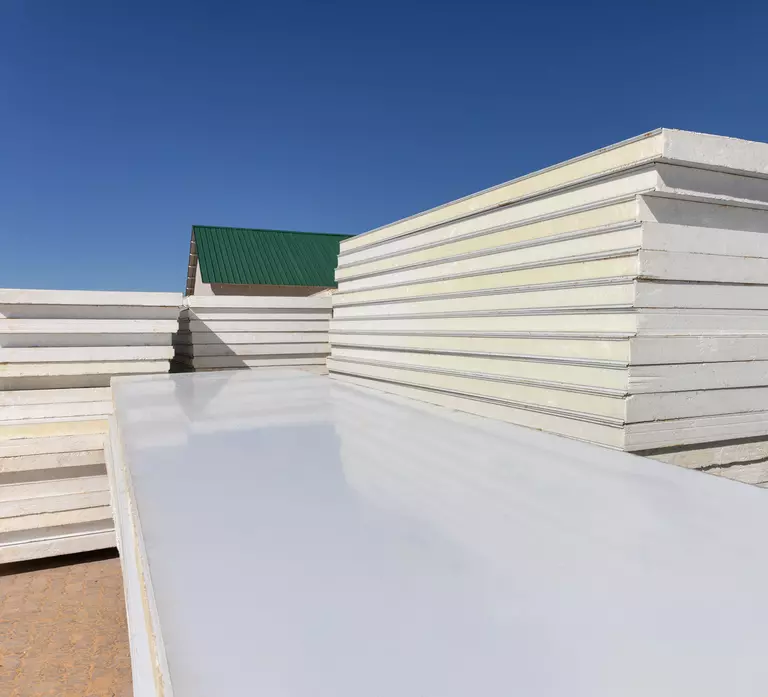
R-value measures thermal resistance – in a nutshell, how well a material resists heat flow.
The higher the R-value, the better the insulation material is at keeping heat from moving through it. In winter, high R-value insulation keeps warm air inside your home. In summer, it keeps hot air out and cool air in.
Think of R-value like a winter coat. A lightweight jacket might have an R-value equivalent of 2 or 3; it provides some protection but won't keep you warm in freezing temperatures. A heavy parka, on the other hand, might have an R-value of 10 or higher, creating a strong barrier against the cold.
Why does this matter for your home? Because proper insulation with adequate R-values can:
- Reduce heat loss by up to 30%
- Significantly lower your energy costs
- Improve comfort by eliminating cold spots and drafts
- Reduce the strain on your heating and cooling system
- Increase your home's overall value and efficiency
Simply put, the right R-value means your home stays comfortable while your energy bills stay low. It's one of the smartest investments you can make, especially in our climate, where temperatures can swing from the 90s in summer to below freezing in winter.
Types of home insulation products and their R-values
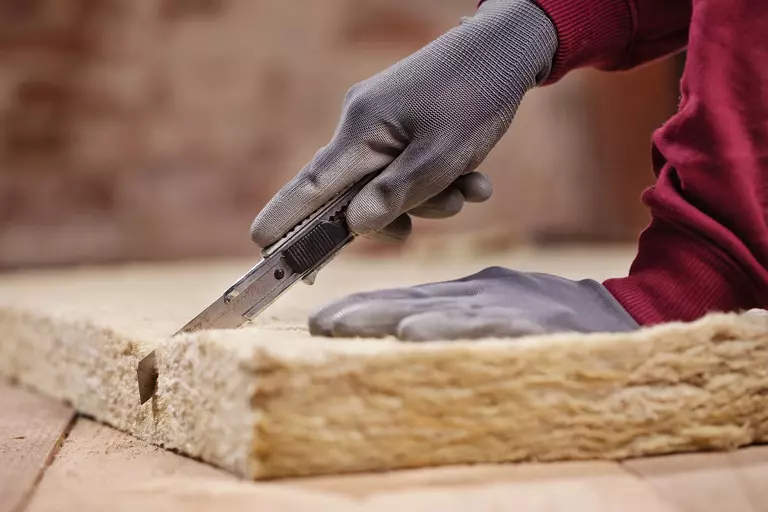
Not all insulation is created equal. Different types of home insulation offer different R-values per inch, making some more effective than others depending on where they're installed. Here's a quick overview of the most common home insulation products:
- Fiberglass insulation is the pink or yellow material you typically see in attics and walls. Available in batts or rolls, fiberglass insulation R-value ranges from R-2.9 to R-3.8 per inch. It's affordable, widely available, and relatively easy to install, making it a popular choice for DIY projects and new construction.
- Spray foam insulation offers one of the highest R-values: specifically, between R-3.5 and R-6.5 per inch, depending on whether it's open-cell or closed-cell foam. Beyond insulation, spray foam also acts as an air seal, blocking drafts and moisture. It's more expensive than fiberglass but delivers superior performance, especially in hard-to-reach areas like rim joists and crawl spaces.
- Cellulose insulation is made from recycled paper products and typically has an R-value of R-3.2 to R-3.8 per inch. It's an eco-friendly option that works well for blown-in applications in attics and walls. Cellulose is treated to resist fire and pests, and it settles into small gaps better than fiberglass batts.
- Foam board, also called rigid insulation, comes in sheets and offers R-values ranging from R-3.6 to R-6.5 per inch. It's often used on exterior walls, foundations, and under siding to provide continuous insulation that reduces thermal bridging. Foam board is particularly useful when building a new home or during major renovations.
- Mineral wool, sometimes called slag wool or rock wool, provides an R-value of about R-3.0 to R-3.3 per inch. It's fire-resistant, moisture-resistant, and doesn't settle over time. While less common than fiberglass, mineral wool is a solid choice for soundproofing, fire protection, and thermal insulation.
Each type of insulation has its strengths, and the best choice depends on where it's being installed, your budget, and your home's specific needs.
Recommended R-values for our region
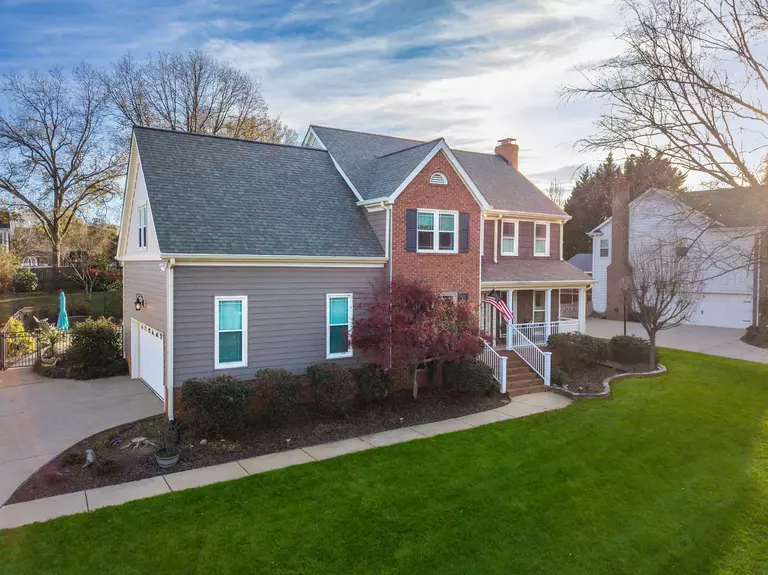
The Department of Energy provides recommended R-values based on climate zones, and the Piedmont Triad falls into Zone 4, which experiences moderate winters and warm, humid summers. Here's what you should aim for in different areas of your home:
- Attic – R-38 to R-60. The attic is where most heat escapes in winter and enters in summer, so it needs the highest R-value. An average of R-49 is ideal for the region we serve.
- Walls – R-13 to R-21. Exterior walls should have adequate insulation installed to prevent heat transfer. Insulated siding can add R-2 to R-4 on top of wall insulation.
- Floors over unheated spaces – R-25 to R-30. This includes floors above crawl spaces, garages, or basements.
- Basement walls – R-10 to R-15. If your basement is finished or used as living space, proper insulation improves comfort and efficiency.
Meeting these R-value targets ensures your home is properly insulated for the area’s climate. If your home falls short – especially in the attic or walls – adding insulation can make a noticeable difference in comfort and energy costs.
DIY insulation solutions: what homeowners can do

Many homeowners tackle insulation projects themselves to save money, and there are definitely some tasks you can handle on your own. If you're looking to improve your home's thermal resistance without breaking the bank, here are some DIY-friendly insulation options to consider.
Adding attic insulation
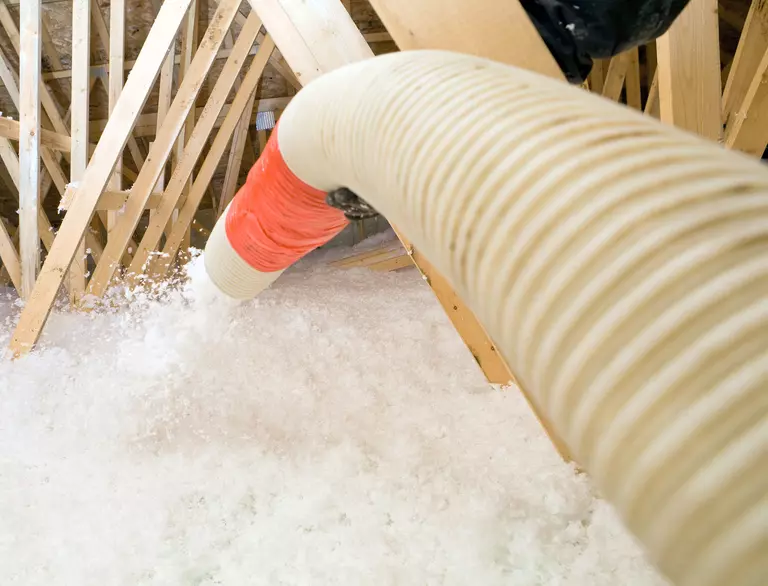
The attic is often the easiest place for homeowners to add insulation themselves. If your attic has less than R-30 (roughly 10–12 inches of fiberglass), adding more can make a noticeable difference. Fiberglass batts or rolls are relatively easy to install – just unroll them between the joists, making sure not to compress the material or block ventilation.
Blown-in cellulose is another option, though it requires renting equipment. The advantage is that blown-in insulation fills gaps more completely than batts, especially in tight or irregular spaces.
Sealing air leaks
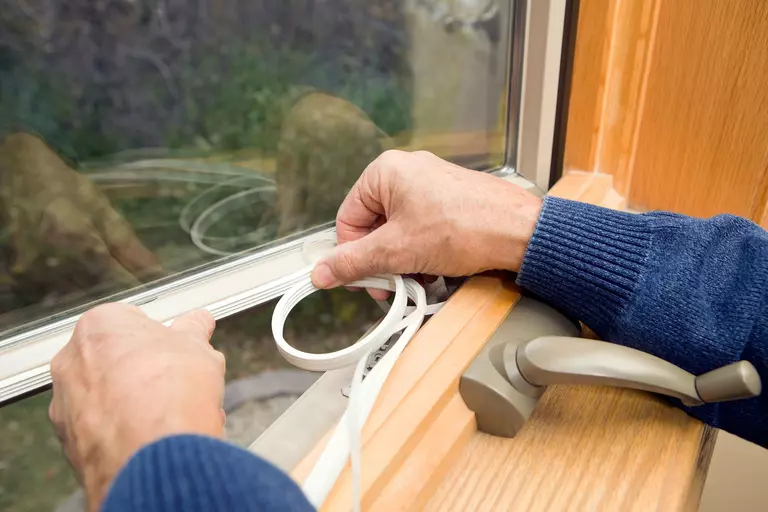
Air sealing is one of the most cost-effective DIY projects you can tackle. Even small gaps around windows, doors, outlets, and pipes can account for significant heat loss. Use caulk for stationary cracks and gaps, weatherstripping for movable components like doors and windows, and spray foam for larger openings around pipes and wires.
Don't forget to check your attic for air leaks around light fixtures, plumbing stacks, and the attic hatch itself. These are common culprits that let conditioned air escape.
Insulating pipes and ductwork
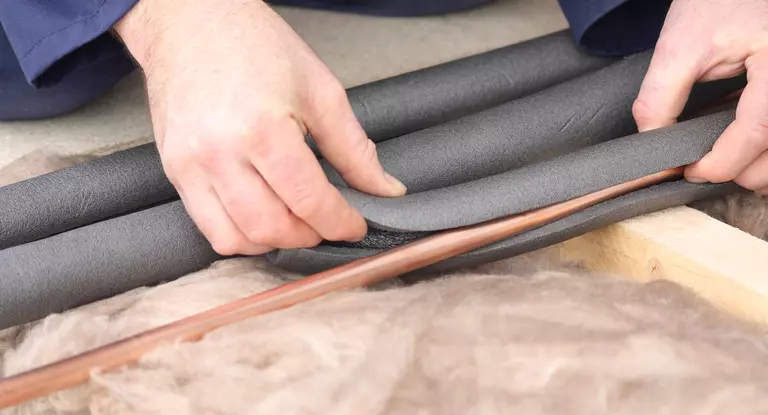
If you have exposed pipes or ductwork in your basement or crawl space, adding foam pipe insulation or duct wrap can prevent heat loss and improve efficiency. This is especially important for hot water pipes and HVAC ducts running through unheated spaces.
The limitations of DIY insulation
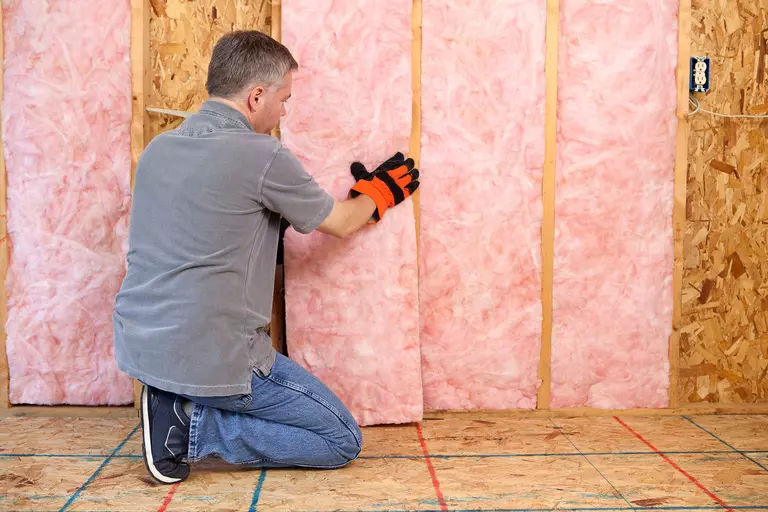
These DIY insulation tips can help, especially if your home has little to no insulation material in key areas. You'll likely notice a difference in comfort and may see a modest reduction in your energy bills.
However, DIY insulation has limitations. It's difficult to achieve professional-level coverage and air sealing without the right tools and experience. Gaps, compression, and incomplete coverage can significantly reduce insulation’s effectiveness. And some areas – like walls in existing homes or hard-to-reach spaces – are nearly impossible to insulate properly without specialized equipment.
More importantly, DIY insulation addresses only part of the problem. If your windows are drafty, your doors are poorly sealed, or your siding has gaps, adding attic insulation won't solve those issues. That's where a more comprehensive approach through an exterior remodel makes sense.
How Window World products improve your home's insulation

While adding insulation to your attic or walls is important, true energy efficiency comes from a whole-home approach. Your windows, doors, and siding play a massive role in how well your home retains heat and blocks cold air. In fact, windows alone can account for 25–30% of heating and cooling energy loss in a typical home.
At Window World of the Triad, we specialize in products designed to create a complete thermal envelope around your home:
- Our energy-efficient vinyl windows feature double or triple-pane insulating glass with Low-E coatings and argon gas fills that prevent heat transfer
- Our insulated vinyl siding adds R-2 to R-4 of continuous insulation around your entire exterior, eliminating thermal bridging and cold spots
- Our fiberglass entry doors with insulation provide excellent thermal resistance while standing up to the elements
Upgrading these components delivers long-term benefits that go far beyond what DIY insulation alone can achieve – lower energy costs, consistent comfort in every room, reduced strain on your HVAC system, and improved home value.
When you combine quality insulation with high-performance windows, doors, and siding, you get a home that stays comfortable in every season and costs less to heat and cool year after year.
Contact Window World of the Triad for a more energy-efficient home

Creating an energy-efficient home isn't about just one upgrade – it's about making smart choices across your entire home. High-performance windows, insulated siding, and energy-efficient doors can be as important as your attic, walls, and floors that work together to create a complete thermal envelope.
When you combine quality insulation with your local Window World's energy-efficient products, you get a home that stays comfortable in every season, costs less to heat and cool, and delivers lasting value for years to come.
Ready to improve your home's energy efficiency? Whether you're building a new home or upgrading an existing one, Window World of the Triad can help. Contact us today to request your free quote and discover how the right insulated exterior products can transform your home into an energy-efficient space you'll love living in.