


 Back to Blogs
Window Frozen? Here’s How to Stop It from Happening

Chilly winter temperatures are on the way. But while your windows ought to keep your home nice and toasty inside, it’s not uncommon to see ice growing on their surfaces or along their sills, which can leave them frozen shut. You might even notice that the air around your windows feels noticeably cooler than spots elsewhere.
Why does frost appear on windows in the winter, and how can you open a frozen window while preventing ice buildup in the future? Today, we’ll show you the answers to these questions and more! If you’ve got other issues with your windows that you’ve been wondering about, reach out online to Window World of the Triad.
Why does ice build up on windows?
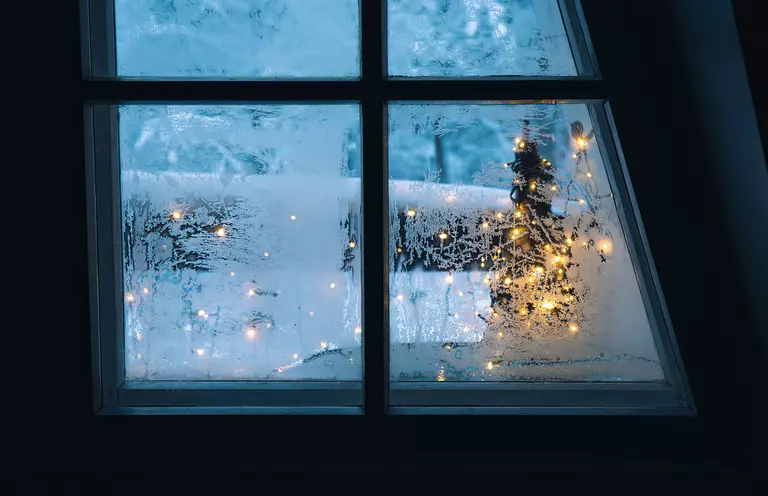
The science behind ice buildup is pretty simple. When warm air inside your home has more moisture than the cool, dry air outside your house in winter, that air condenses – that is, deposits little moisture particles – on your windows’ cold surfaces. The greater the difference between the temperature and humidity of either side of the window, the more condensation you’ll see.
But since it’s cold outside during winter in the Triad area, that condensation then freezes, forming ice crystals on your windows or along their edges and seams. In no time at all, the moisture that collects around a window’s edges might even cause it to freeze shut.
Is it bad if windows are frozen shut?
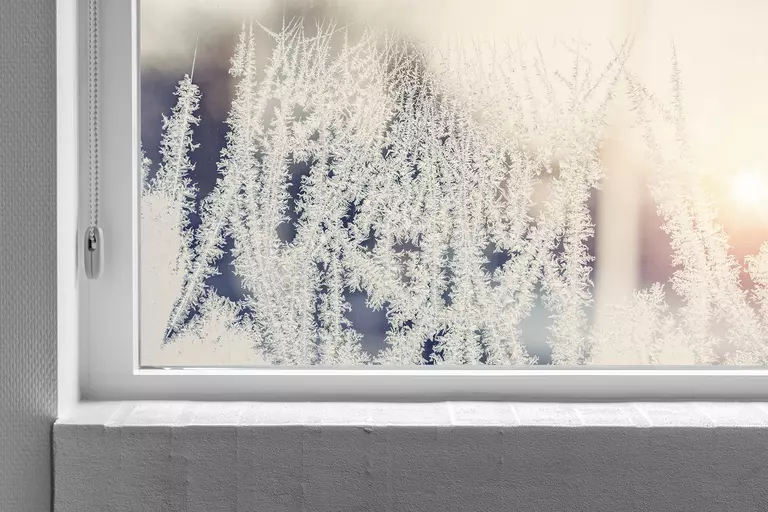
There are a few good reasons to pay attention to ice buildup on your home’s windows:
- If you ever need to open a window – say, to ventilate your kitchen – you need to be able to do so quickly and easily
- Frost on your windows might lead to cracking, warping, or other damage over time
- Plus, ice buildup on your windows could indicate that they aren’t insulating your home, meaning your heater will have to work harder to keep your home comfortable
Bottom line: don't let frost stay on your windows for too long. It'll just become harder to remove and lead to a larger headache.
How to open a frozen window safely
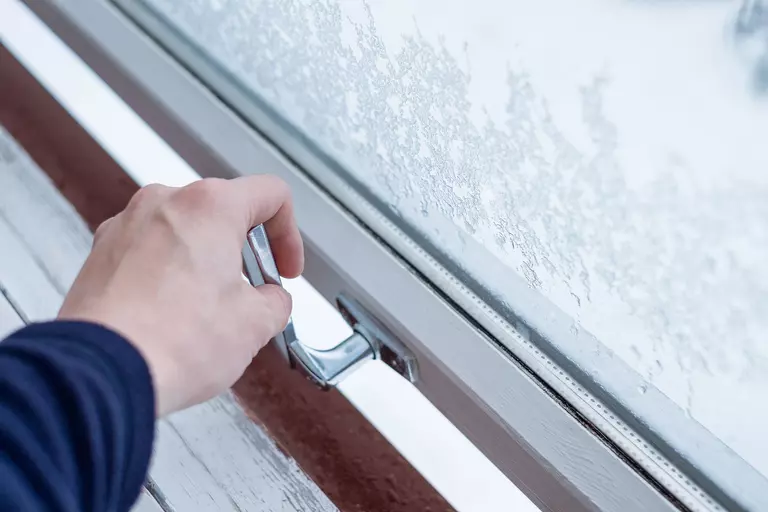
When a window is truly frozen shut, trying to force it open with brute strength or a tool may be dangerous for the window or yourself. Putting too much strain on a window's edge or glass, for instance, could cause breakage or cracks to form or cause the glass panes to fracture or shatter.
If your window is already frozen shut, you should only try to open it by following these steps:
- Crank up the thermostat to warm your home’s interior a little more, even if by only a few degrees.
- Then, go outside and brush off any snow or ice from that side. If there’s water dripping from the gutters or roof onto the window or windowsill, remove the water source if it’s safe to do so or call a professional to perform an inspection.
- Head back inside. Using a hair dryer, blow hot air onto the window sashes and edges, especially where you can see frost on the inside. Have a dry towel ready, too, so you can clean up the water as it melts.
- Gently try to open your window. If it’s still frozen, apply more hot air and give it time to warm up. Remember, a functioning window shouldn’t take much strength to open.
- If all else fails, set a space heater next to a frozen window and let it run for a few hours. That might do the trick and thaw any ice that formed deep inside the window frame or sash.
Since defrosting house windows just to open them a crack can take a lot of effort, it’s well worth it to stop your windows from freezing closed in the first place.
4 Ways to stop windows from freezing on the inside
Fortunately, there are several ways you can accomplish that goal. Let’s take a look, starting with simpler solutions you can tackle right now.
Keep your home’s thermostat running

Though this won’t change the humidity inside your Triad house too much, keeping the indoor temperature up will make it harder for your windows to get cold enough to freeze the water droplets that form across them.
If you plan to leave your home unattended for a few days, keep the thermostat running instead of letting your home get super cold. Your windows will be safer, and you’ll thank yourself when you return home to a warm house, not an icy one.
Run a dehumidifier
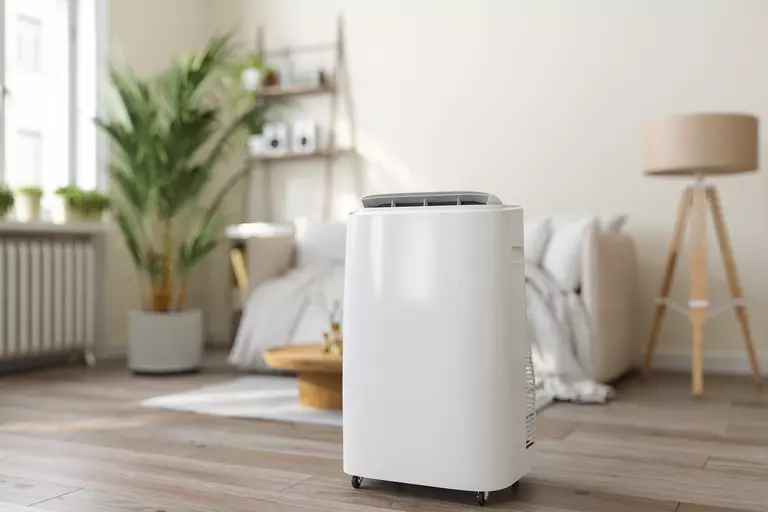
Since condensation can only happen when there’s enough water in the air, a dehumidifier should do wonders to help you prevent frost from forming on your windows. Larger dehumidifiers are ideal for bigger rooms, like your living room, while smaller units could work for a bedroom or bathroom.
Similarly, don’t forget to run your exhaust fans in your bathroom after taking a shower – this step will lower the humidity in the air, making your windows less likely to freeze on the inside, even if it’s very cold outside.
Weatherize your windows
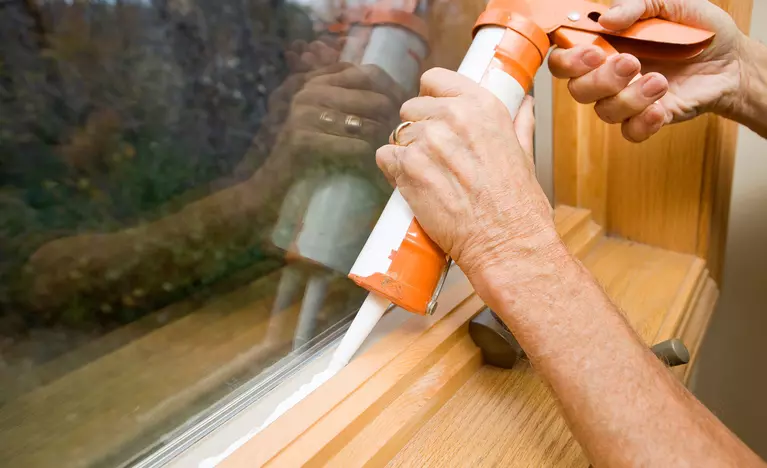
It's easy for frost to form on your windows if there are small gaps between their edges and frames. Weatherizing your windows, therefore, could help you reduce ice buildup and prevent warm air from escaping outside.
The best way to weatherize your windows from freezing is to use caulk. Apply caulk along any gaps or edges where you feel a draft to plug up those leaks. If you don’t have caulk, weatherstripping might work as well, though you may need to remove it if you want to open your window for ventilation (depending on the size of your weatherstrips).
Switch to energy-efficient windows
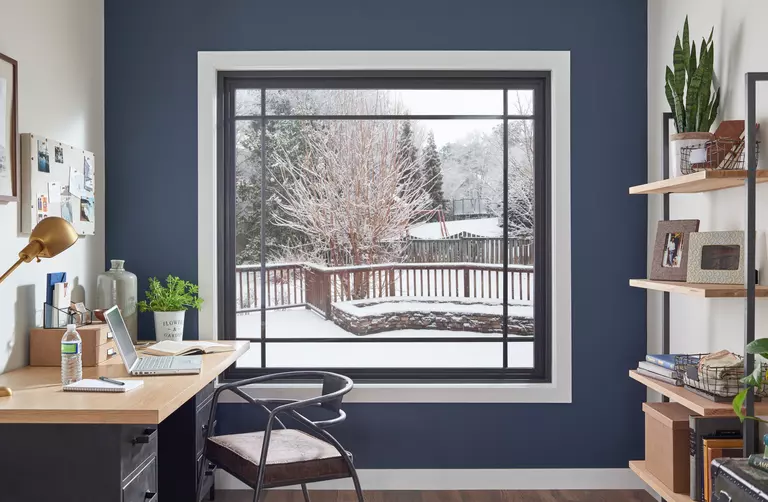
The most long-term way to prevent ice buildup on your windows, however, is to make sure those windows are as insulating as possible. Energy-efficient windows have several advantages, including several panes of glass separated by gasses, which keep their interior sides warmer for longer.
Double-pane or triple-pane glass windows seal in heat during the winter, making rooms with them warmer throughout the season. Since it's harder for their deeper panes to freeze, they're less likely to have a lot of condensation appear on their surfaces. No condensation? That means no frost for you to worry about.
Even without this benefit, energy-efficient windows are excellent investments. Year-round, they can save you hundreds annually in utility bill costs, and they're available in many styles and shapes, including double-hung windows (perfect for enjoying a breeze in better weather) or stylish bay and bow windows.
Enjoy energy-efficient windows in the Piedmont Triad this winter
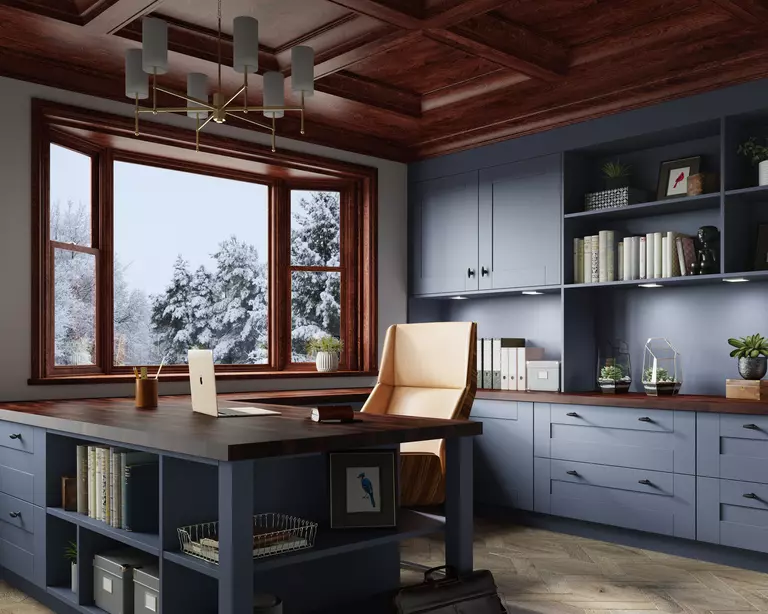
Luckily, you can find the perfect energy-efficient windows for your home in central North Carolina. All it takes is a stop by your local Window World.
At Window World of the Triad, our experts can point you to the best windows for your home’s size and your personal style preferences. When the time comes for installation, we can tackle that, too, plus offer guidance and advice for thawing out any frozen windows giving you trouble. Get started today by requesting a free quote, calling us at 336-364-5014, or visiting us in person at our showroom!