


 Back to Blogs
When It's Time to Replace Your Siding: 8 Signs, Lifespan, and What to Know
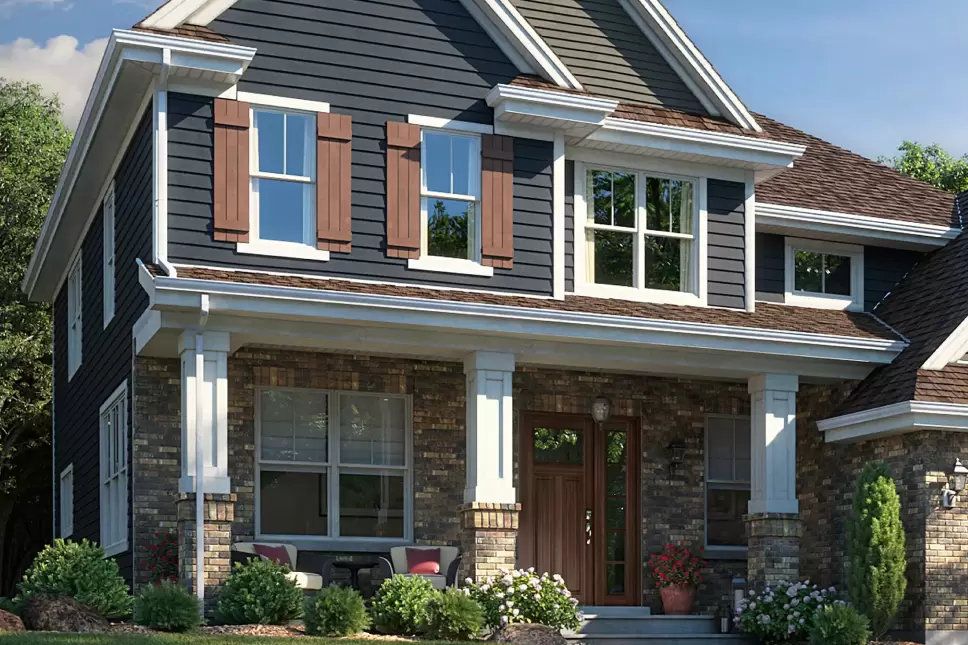
Your home's siding does more than improve its appearance. It helps protect your home from rain, wind, heat, and moisture. Yet because siding wears down slowly, it's easy to miss the early signs of damage.
Over time, small cracks, loose panels, and fading can turn into larger problems. Knowing when to replace siding can help you protect your home and avoid repeated repairs.
For homeowners in our area, weather also plays a role. Here's what to look for, how long siding should last, and what to consider before starting a replacement project.
How long does siding last?
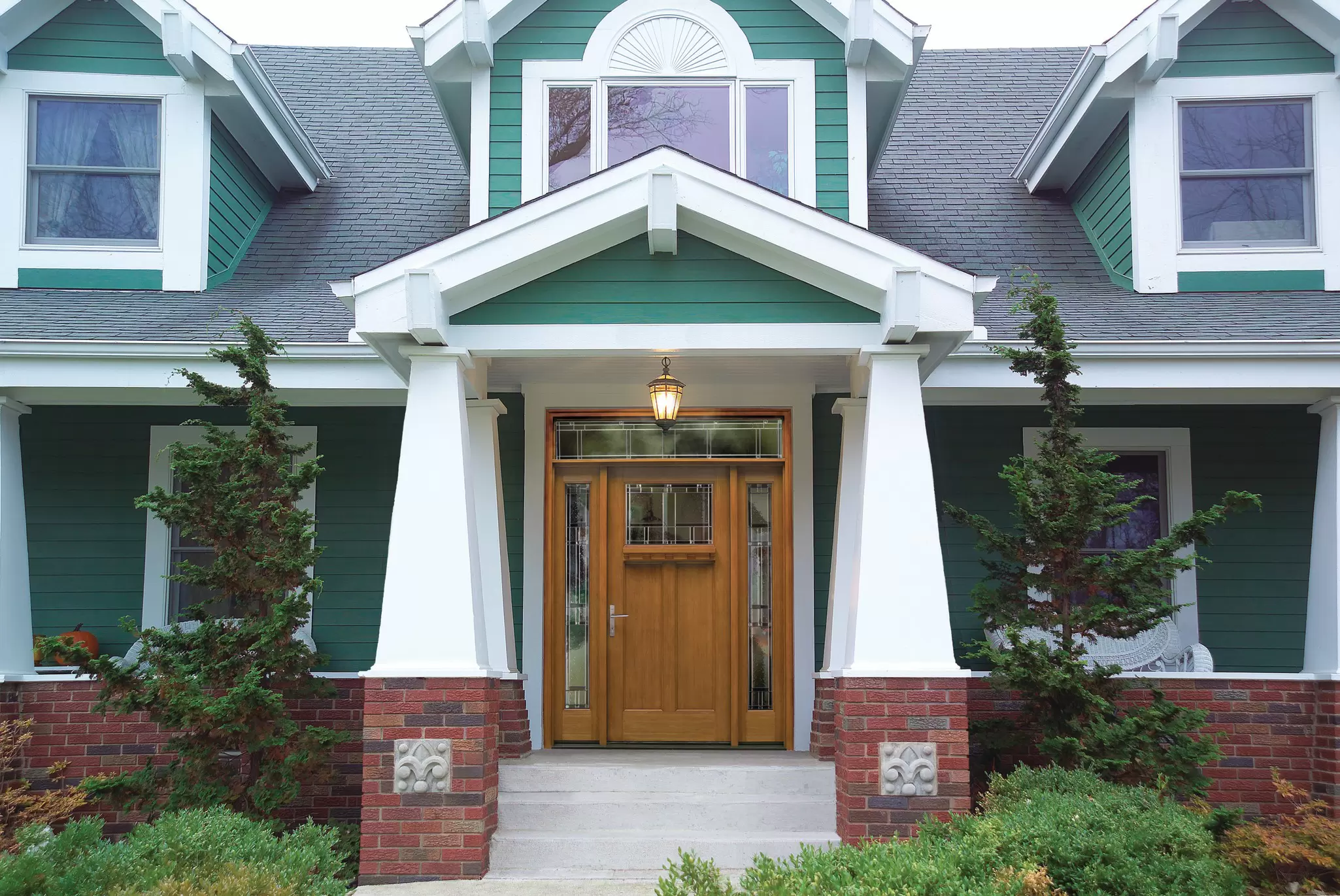
The lifespan of siding depends on the material, installation, weather exposure, and upkeep. Even well-made siding won't last forever.
Vinyl siding often lasts 20 to 40 years when installed and maintained properly. Composite siding products may last 30 years or more, depending on the product and care.
Sun exposure, strong storms, and poor drainage can shorten that lifespan. Regular cleaning and inspections may help you catch damage early.
Still, age alone doesn't mean you need new siding. The condition of your home's exterior matters more than the number of years since installation.
8 signs it's time to replace your siding
Some signs you need new siding are easy to spot. Others may appear inside your home or show up as changes in comfort. Checking your siding from time to time can help you catch these problems before they get worse.
Use this quick guide to check for common problems.
| Warning sign | Possible cause | Next step |
| Warped or loose panels | Heat, age, or poor installation | Check for widespread damage |
| Cracks or holes | Storms or impact | Repair small areas if possible |
| Rot or soft spots | Trapped moisture | Schedule an inspection |
| Bubbling or blistering | Heat or moisture | Check for failing panels |
| Heavy fading | Sun exposure and age | Clean and assess the finish |
| Peeling interior paint | Possible wall moisture | Check the exterior wall |
| Drafts or higher bills | Gaps or poor insulation | Review siding and insulation |
| Repeated need for repairs | All of the above | Schedule an inspection |
Not every warning sign means you need to replace all your siding. Some issues can be fixed with simple repairs, while others may point to larger problems. The sections below explain what each sign means and when it may be time to consider new siding.
Warped, buckled, or loose panels
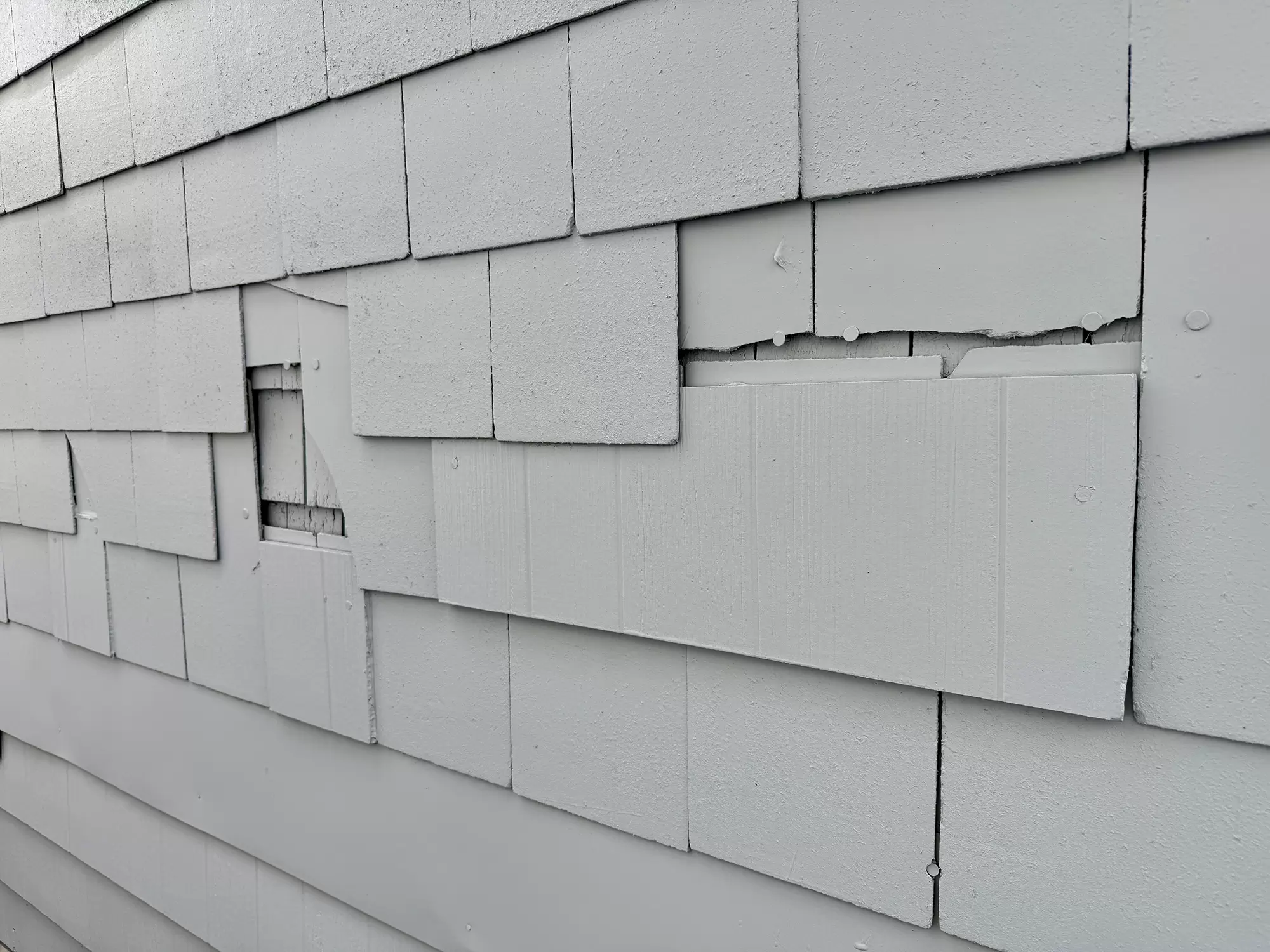
Siding should sit evenly against your home's exterior. Panels that bow, wave, or pull away from the wall may be damaged by heat, age, or poor installation. A few loose panels after a storm may be easy to repair. However, warping across an entire wall often points to a larger problem.
Cracks, holes, and impact damage
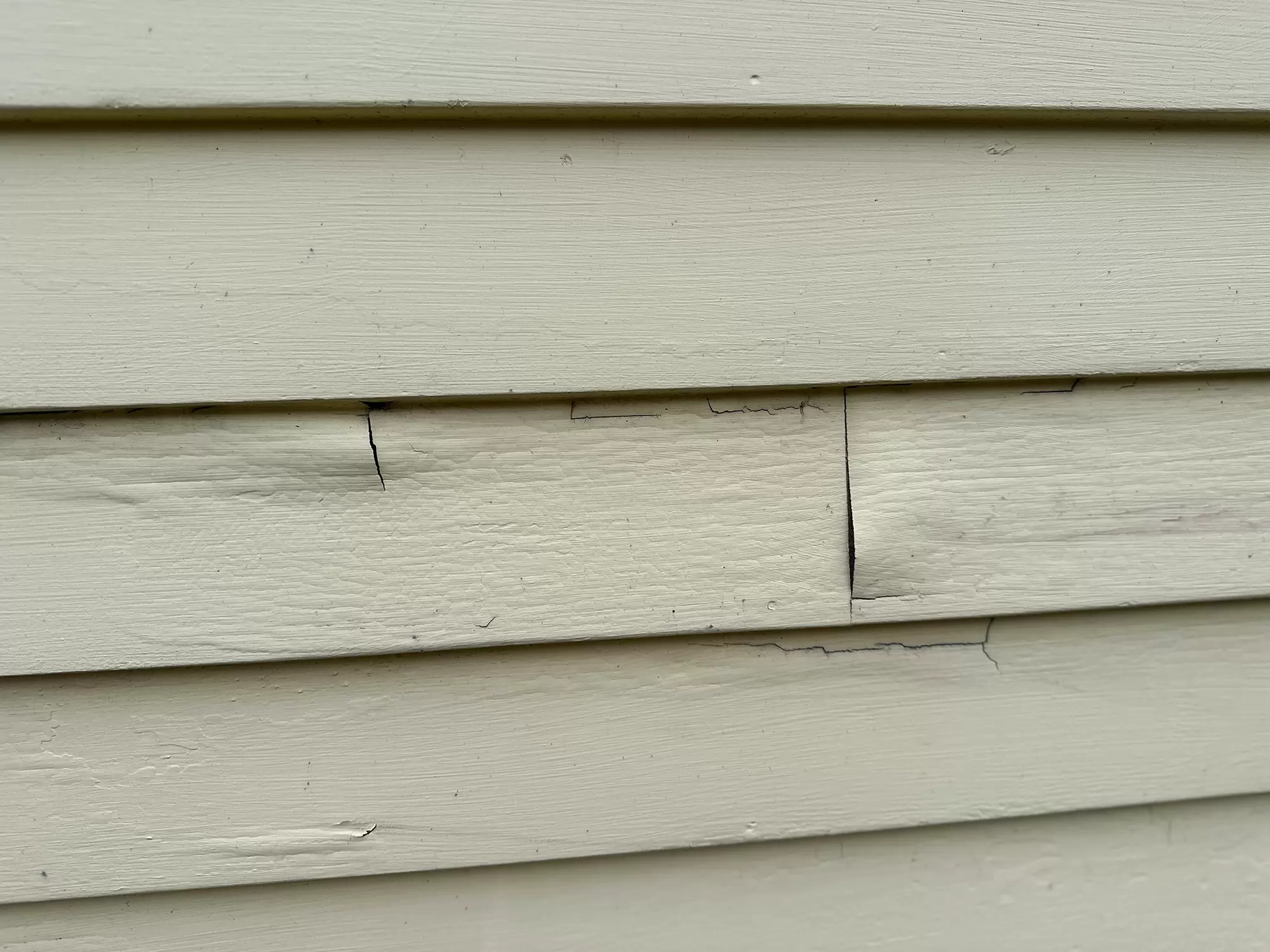
Storms, hail, and flying debris can leave cracks or holes in siding. Even a rock thrown by a lawn mower can cause damage. These openings may let water reach the layers beneath the siding. Small areas can sometimes be repaired, but widespread cracks may mean the material has become brittle.
Rot, soft spots, and mold
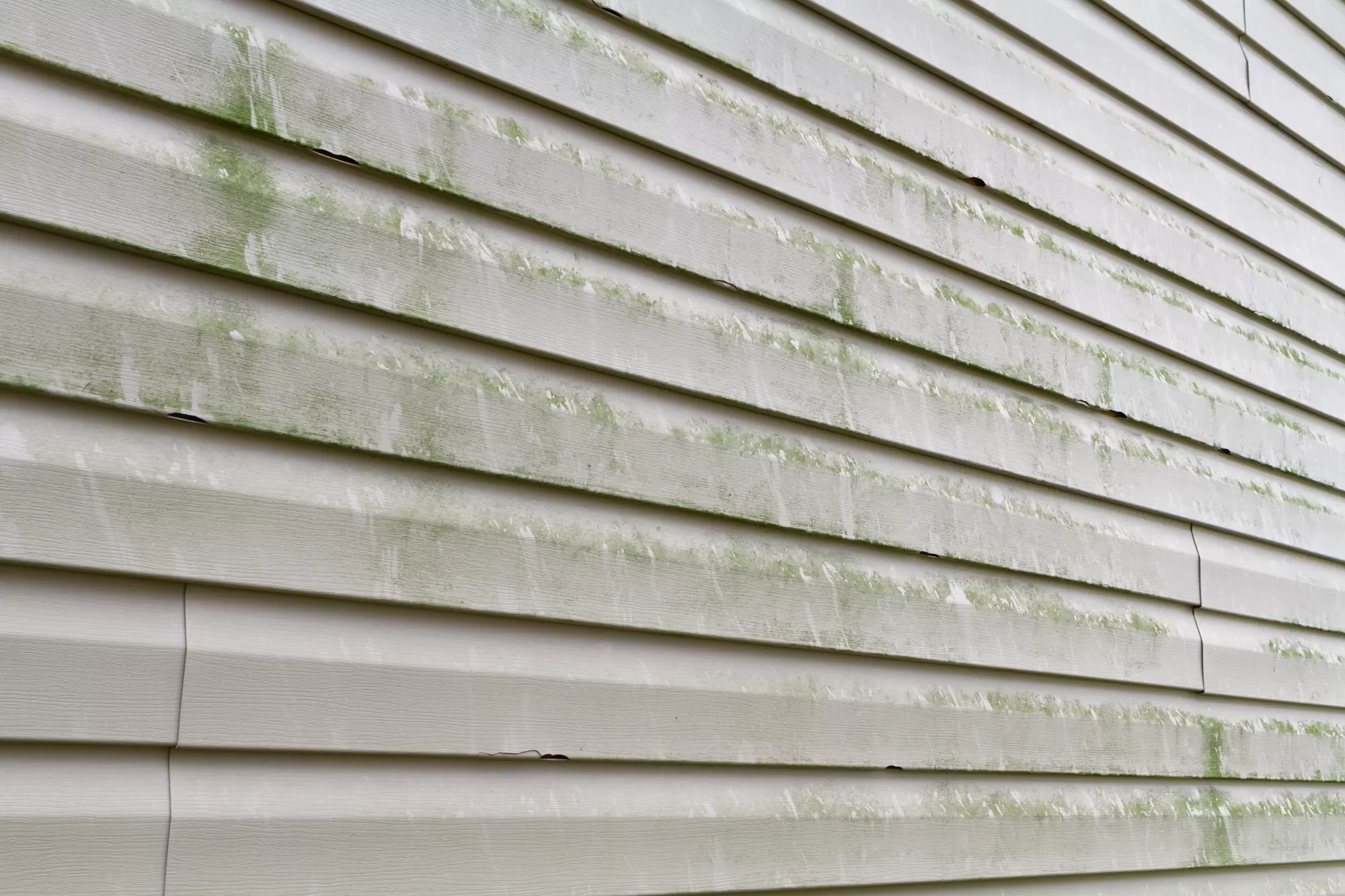
Soft areas, rot, or mold that keeps returning may point to excess moisture. Pay close attention to areas near windows, doors, and the bottom of exterior walls. You can gently check suspicious areas for softness without forcing or breaking the material. Hidden moisture can damage the wood sheathing and framing behind the siding, so these signs deserve prompt attention.
Bubbling or blistering
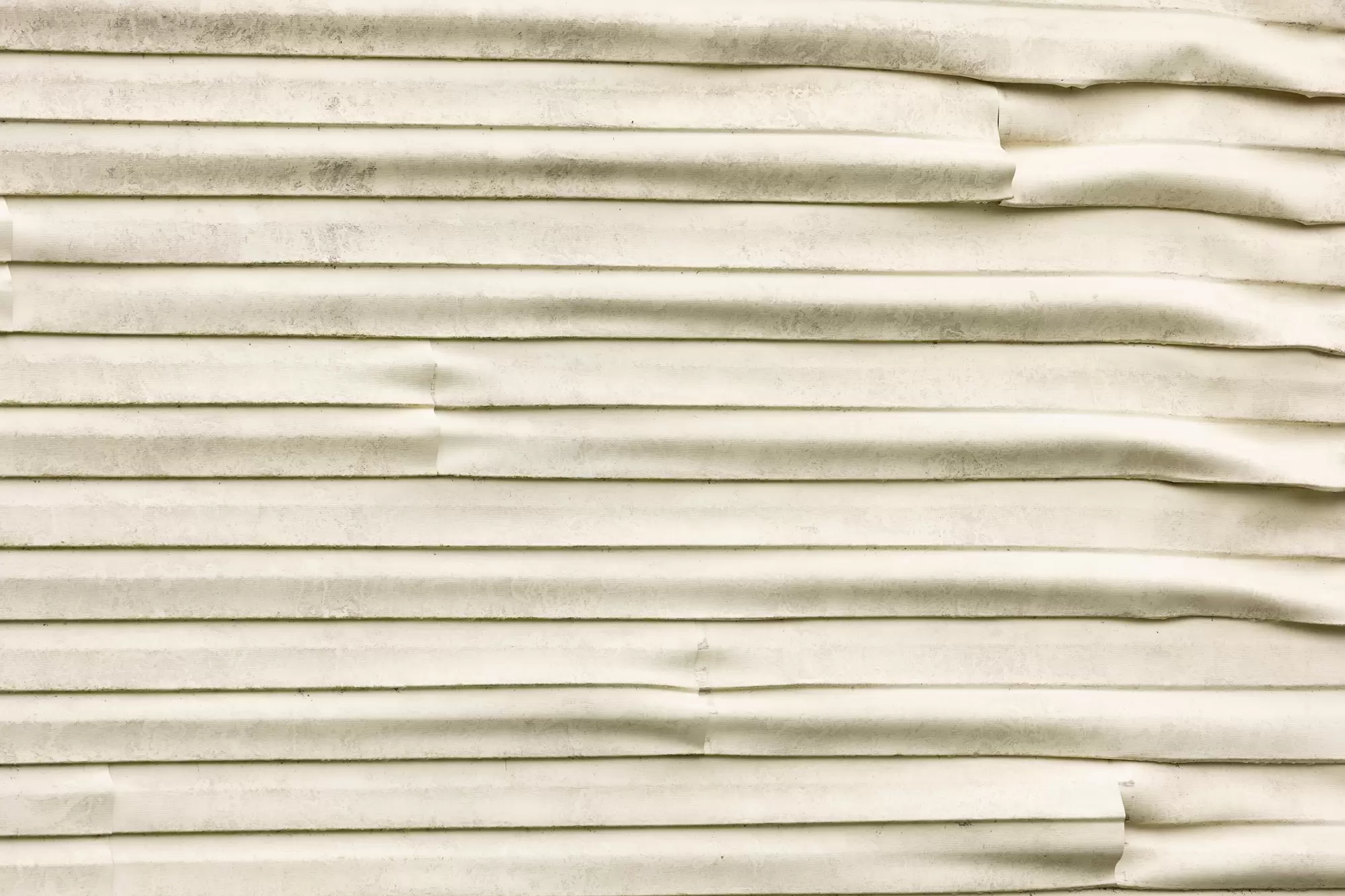
Bubbles or blisters on siding may develop from heat or trapped moisture. They can also mean the surface is starting to break down. If the problem affects several panels, have the siding checked before the damage spreads.
Fading that won't wash off
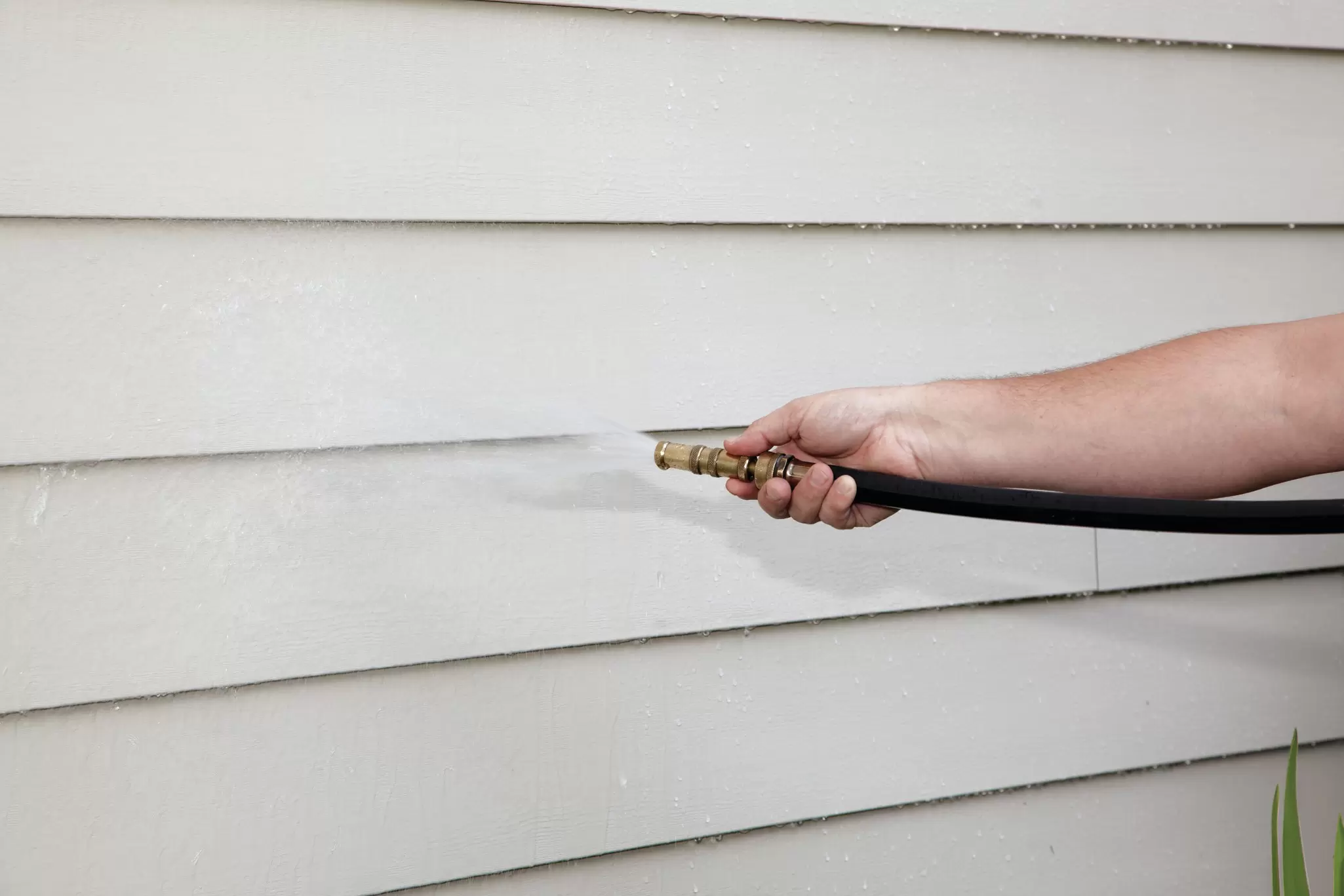
Sunlight can cause siding colors to fade over time. Heavy or uneven fading may be a sign that the material is aging. Try gentle cleaning first. Dirt, pollen, and mildew can make siding look older than it is. If the color remains dull, it may be time to consider replacement.
Peeling paint or loose wallpaper inside
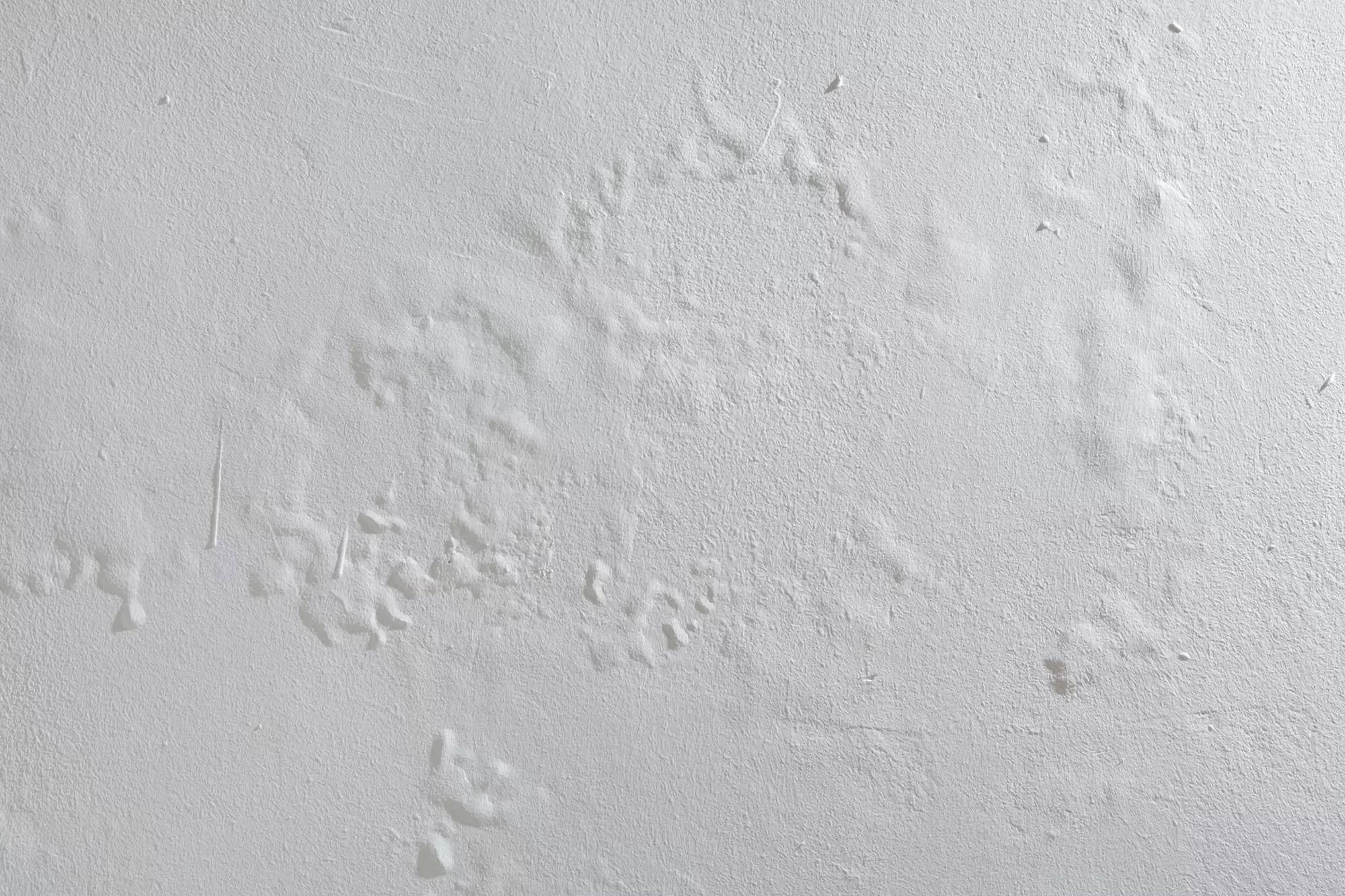
Peeling paint, loose wallpaper, or water stains on interior walls may point to moisture problems. Siding isn't always the cause. Still, it's worth checking the exterior wall near the affected room for gaps or damage.
Drafty rooms or rising energy bills
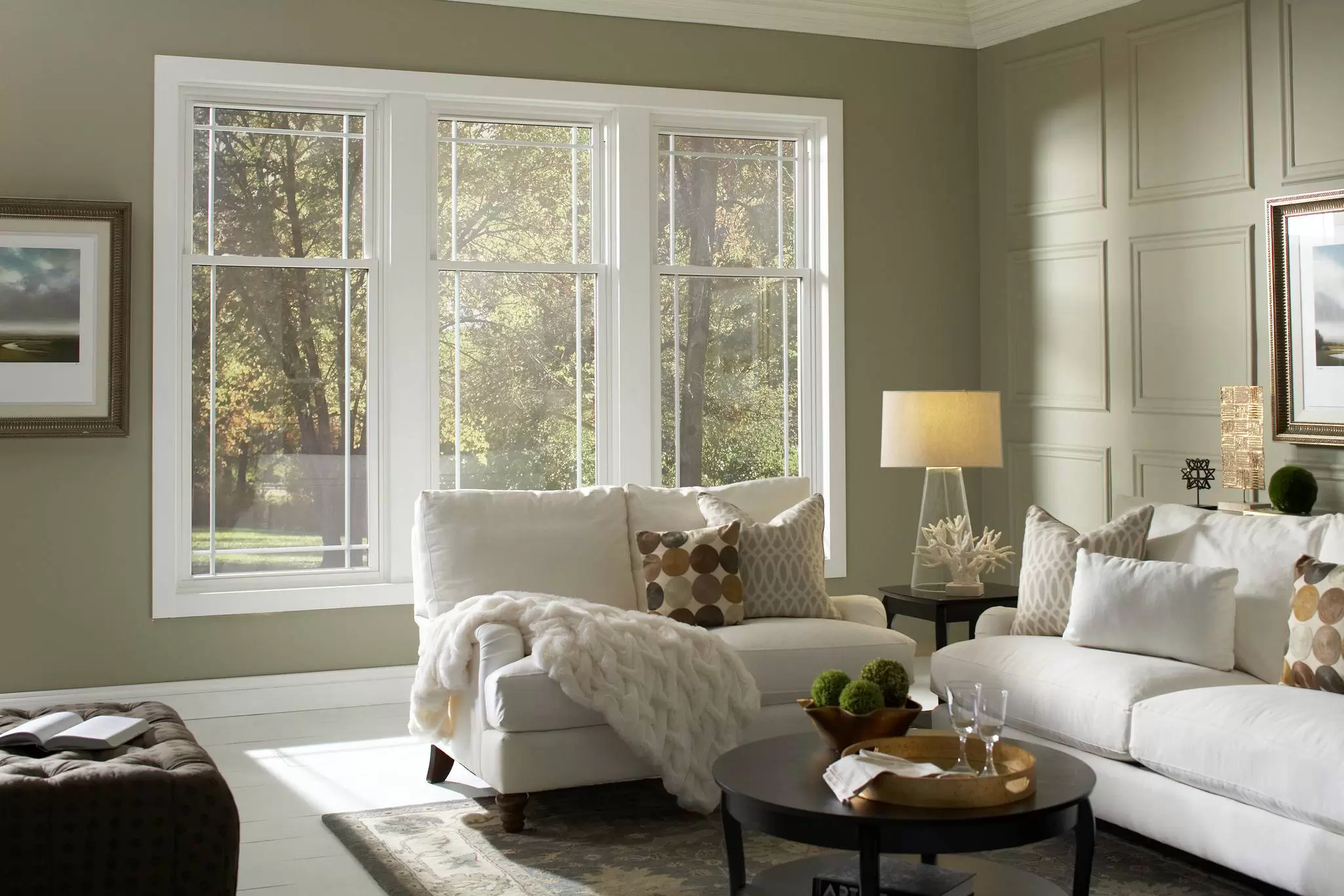
Damaged siding and gaps around exterior walls may allow air and moisture to enter. Poor insulation can also make rooms harder to heat or cool. If comfort has changed, have the siding and insulation checked. It’s also worth checking for window drafts at the same time. Insulated siding or replacement windows may be worth considering during a renovation project.
Constant repairs and upkeep
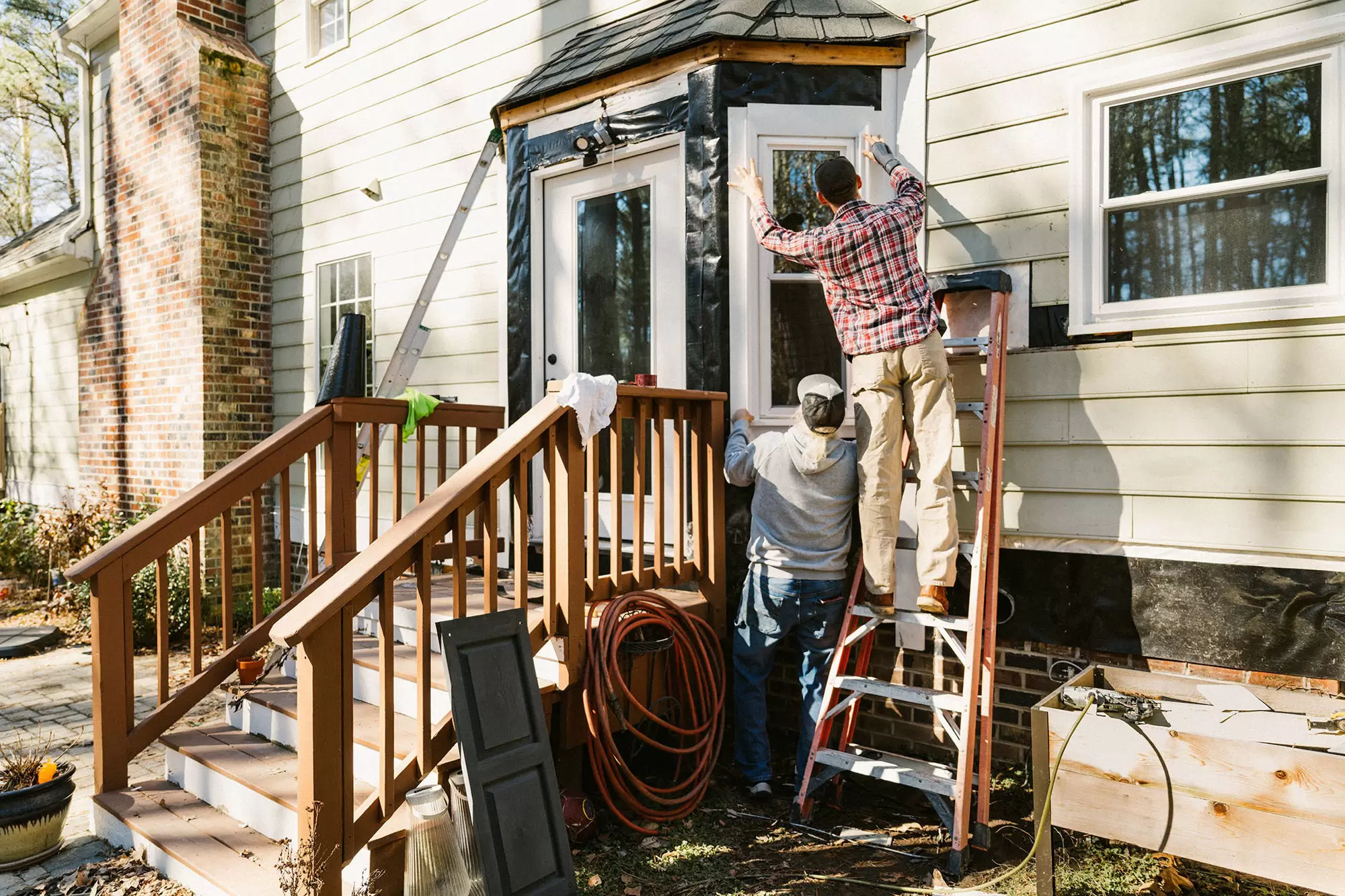
Frequent patching, painting, or caulking can become costly and frustrating. If repairs only provide short-term results, replacing the siding may offer better long-term value. Low-maintenance vinyl and composite products can also reduce the need for painting and other routine work.
Should you repair or replace your siding?
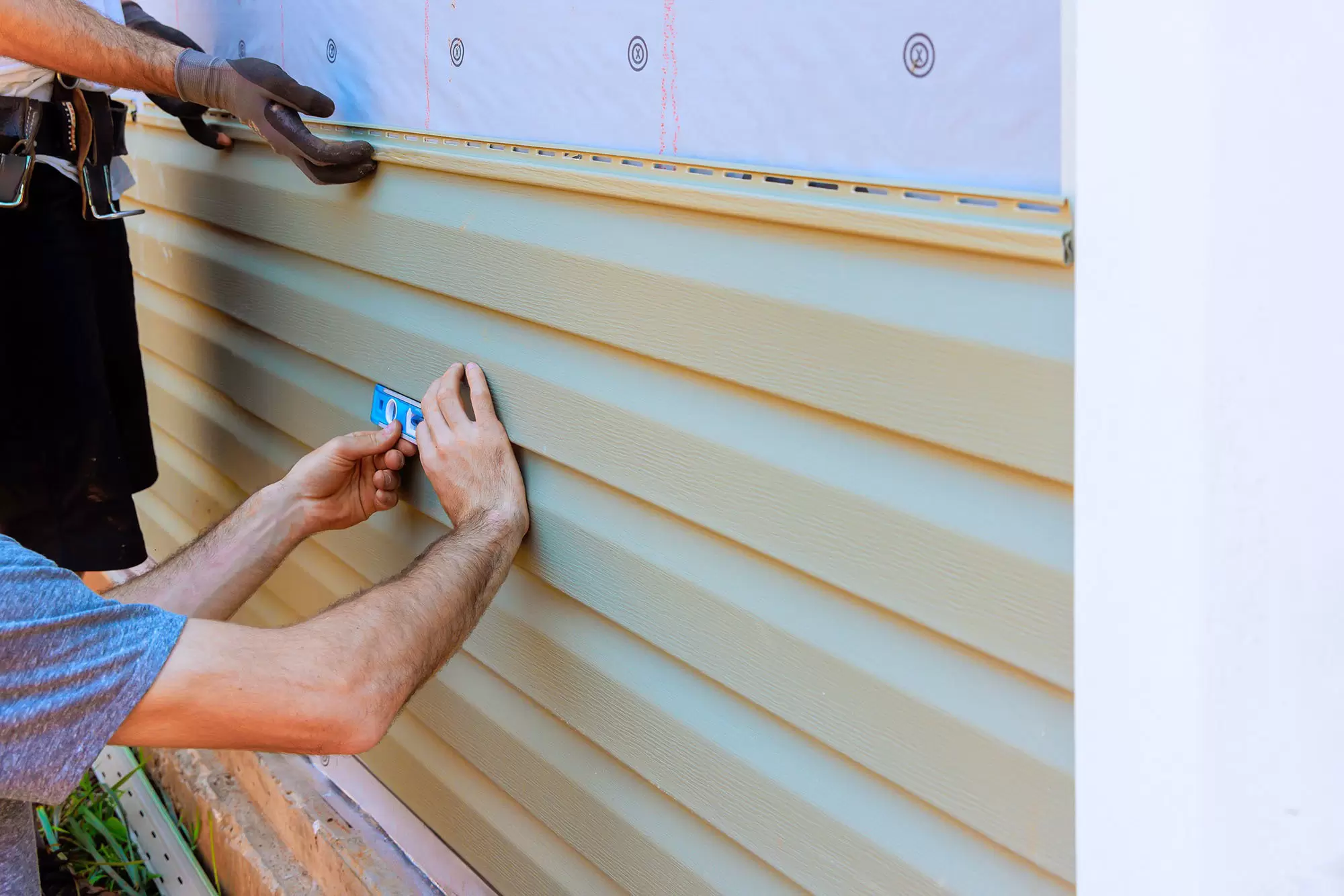
Deciding whether to repair or replace siding depends on how much damage exists and the condition of the remaining panels.
Repair may be enough if:
- Damage affects only a few panels.
- The rest of the siding is in good shape.
- Matching replacement panels are available.
Replacement may be the better choice if:
- Warping or damage affects several walls.
- Moisture or rot has reached the layers beneath the siding.
- The siding is near the end of its expected lifespan.
- Repair costs keep adding up.
Matching old siding can also be difficult. Colors fade, and some styles are no longer made. A professional inspection can help you compare your options.
How the Piedmont Triad climate affects siding
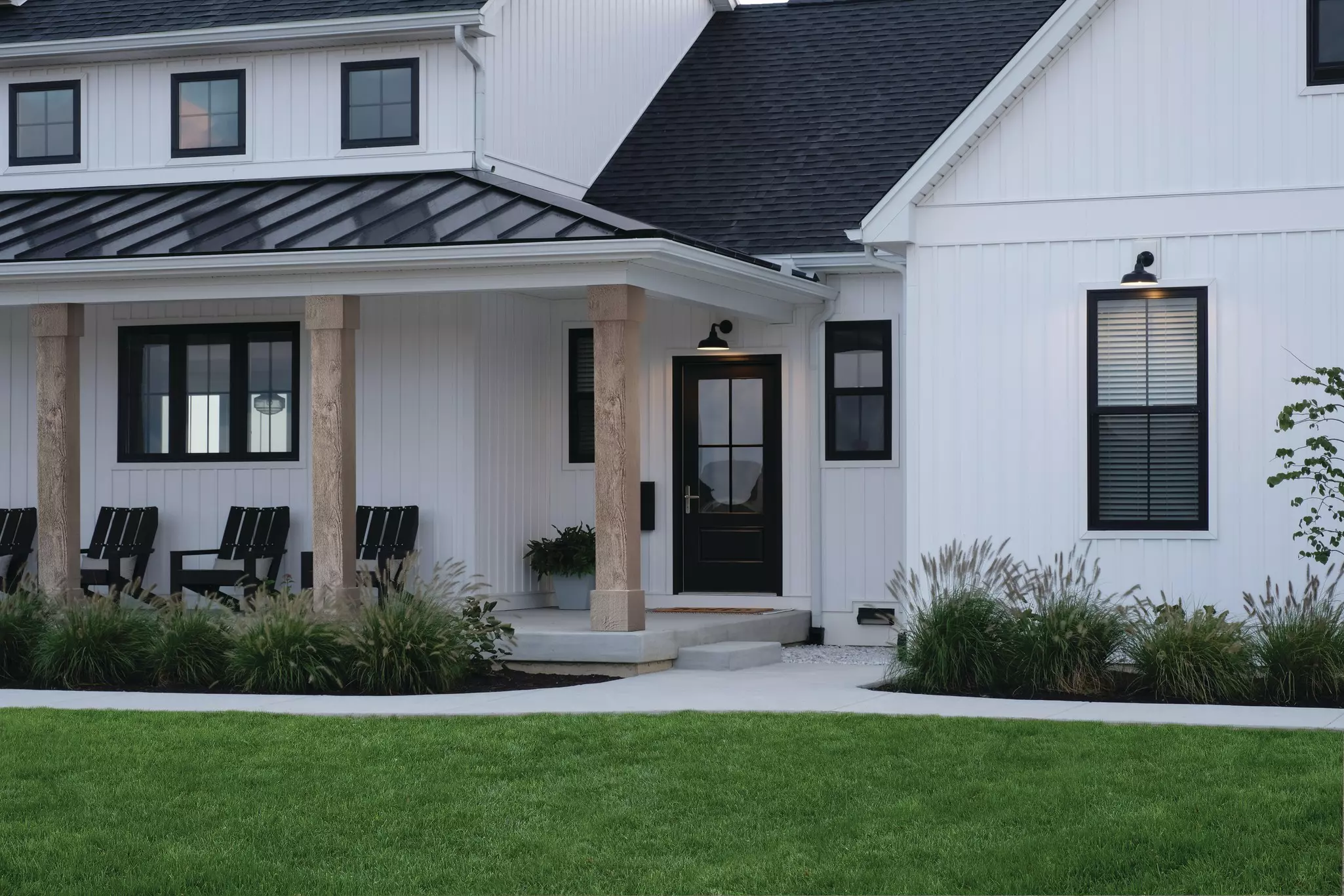
Homes in the Piedmont Triad face hot, humid summers, strong storms, and occasional hail. Winter temperatures can also rise and fall enough to put stress on exterior materials.
Shaded walls may stay damp longer, which can lead to mildew. Walls that receive direct sunlight may show more fading.
Regular inspections after severe weather can help homeowners spot damage early. Keeping plants trimmed away from exterior walls may also help improve airflow and reduce trapped moisture.
Choosing your replacement siding
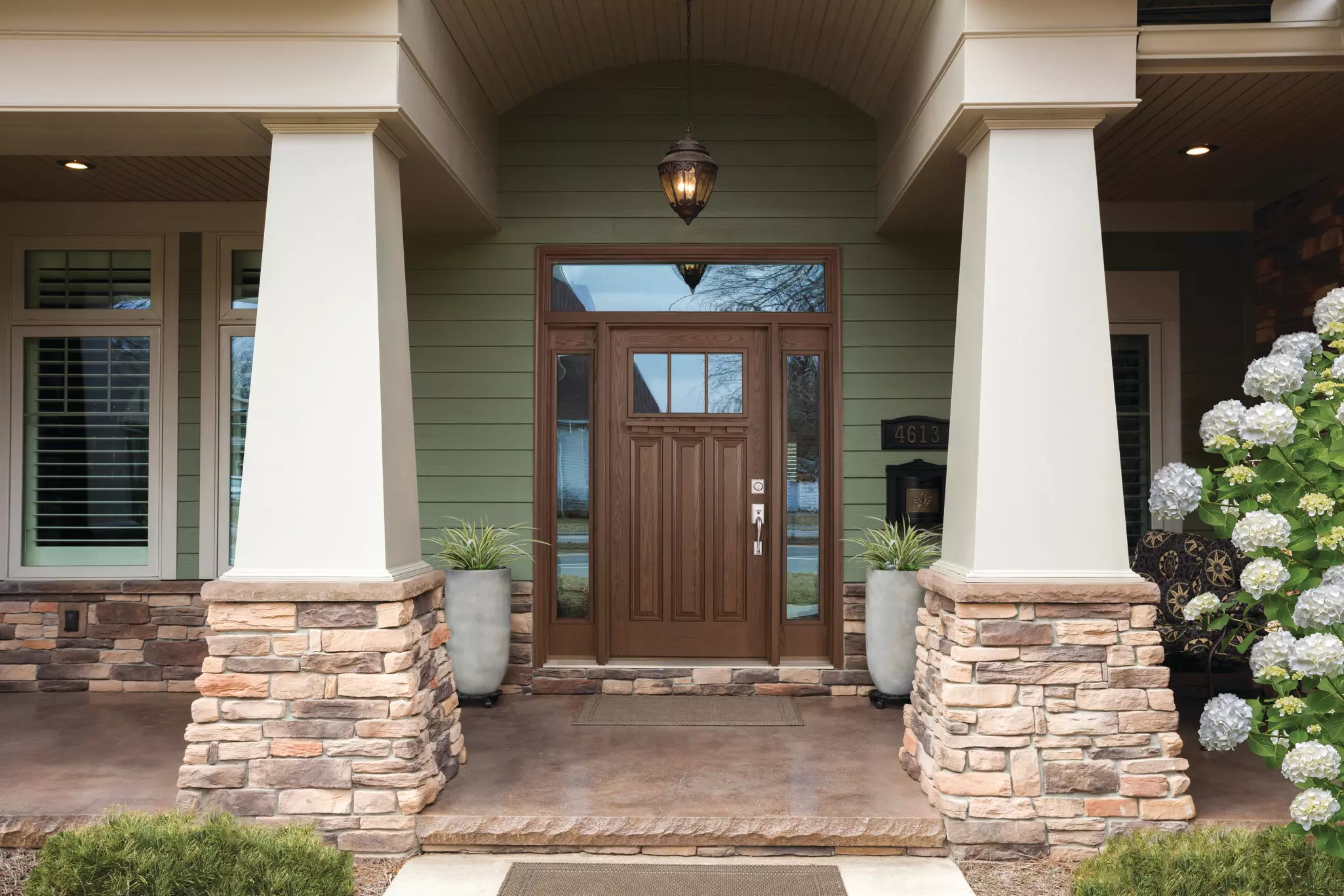
When planning vinyl siding replacement or a larger exterior update, consider durability, insulation, appearance, and upkeep. Window World of the Triad offers several vinyl and composite siding options for different home styles and needs.
4000 Series vinyl siding
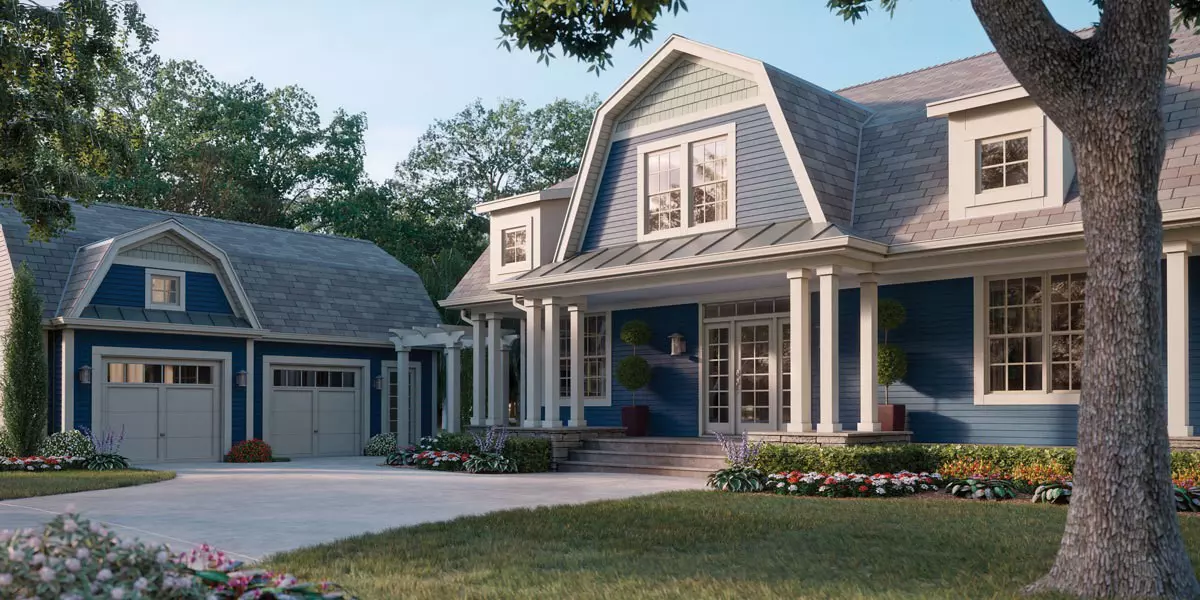
4000 Series siding is a heavy-duty vinyl option built to resist cracking and impacts. It comes in around 30 standard and architectural colors with a woodgrain texture. Optional contoured insulation is also available. Made in the USA, this siding includes a transferable lifetime limited warranty.
6000 Series insulated vinyl siding
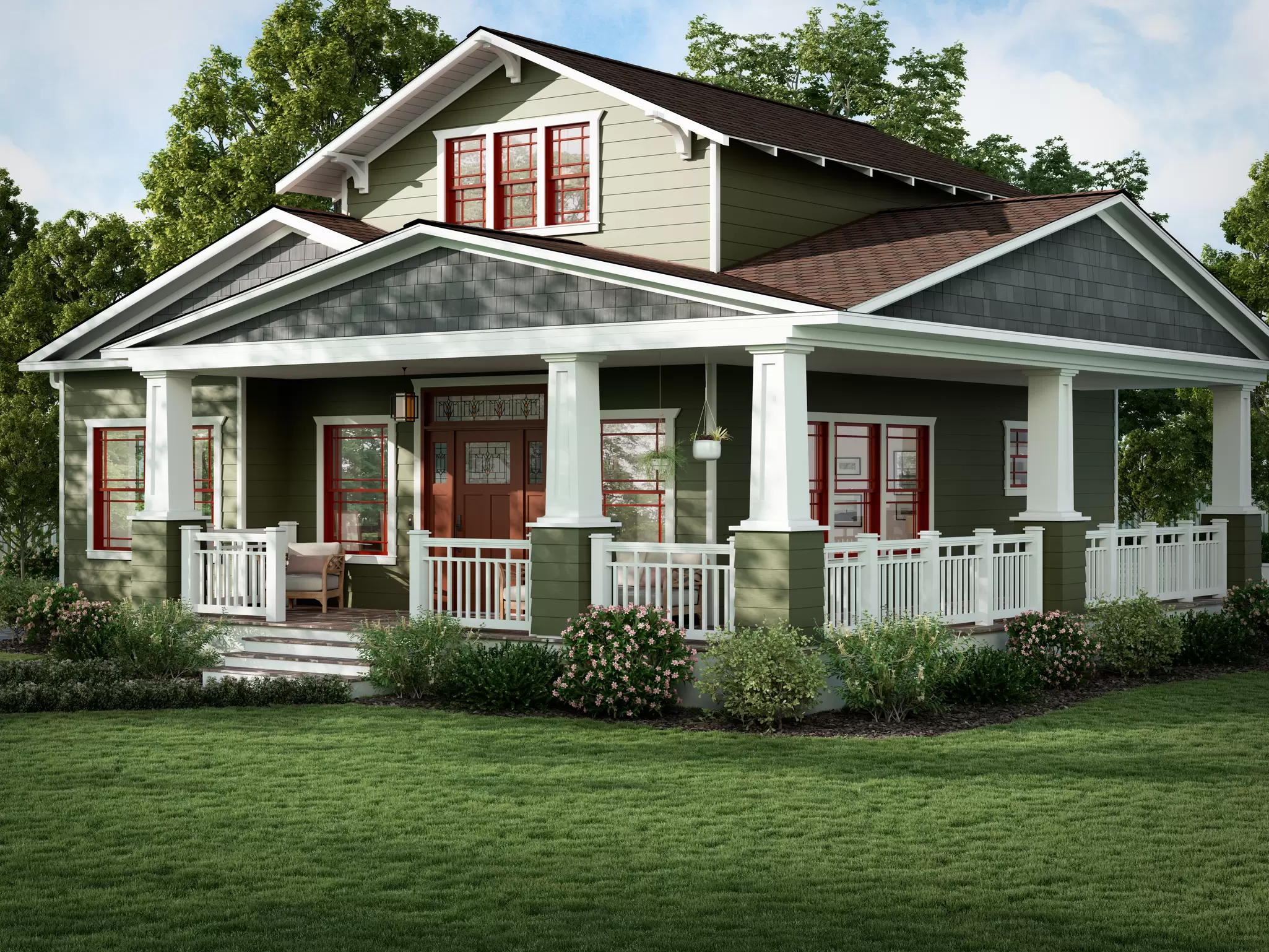
6000 Series siding adds insulation behind the vinyl panels. When installed by a professional, it can provide an R-value of up to 3.0. R-value measures how well a material resists heat flow.
This added insulation can help with indoor comfort and reduce outside noise. The siding comes in 24 colors, is made in the USA, and includes a transferable lifetime limited warranty.
ASCEND composite cladding
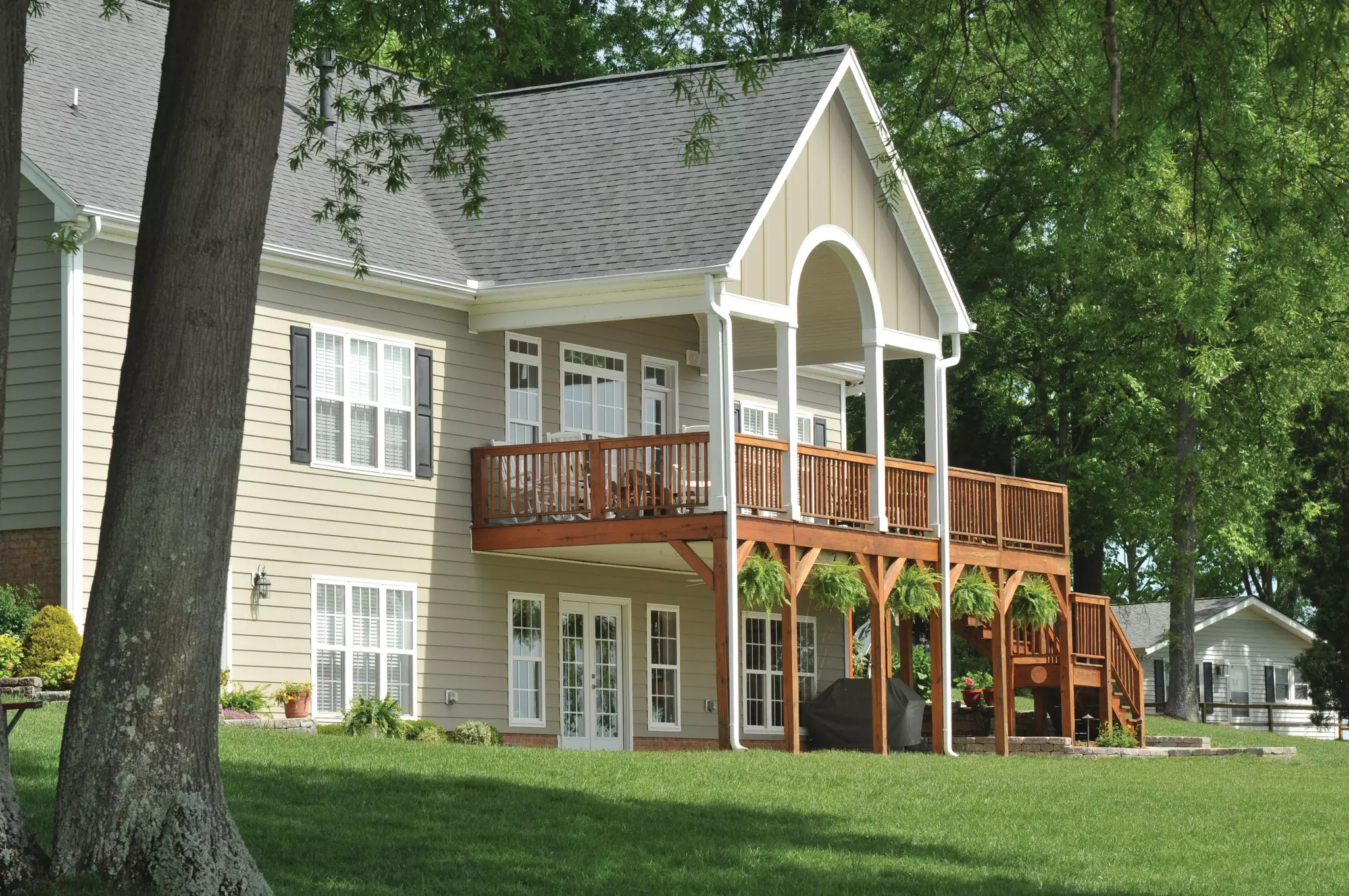
ASCEND composite cladding offers the look of real wood with less upkeep. Glass fibers add strength, while impact-resistant materials help protect against dents. Homeowners can choose from 20 colors and two styles: 7-inch lap siding or 12-inch board and batten. ASCEND also includes a lifetime limited warranty.
Everlast composite siding
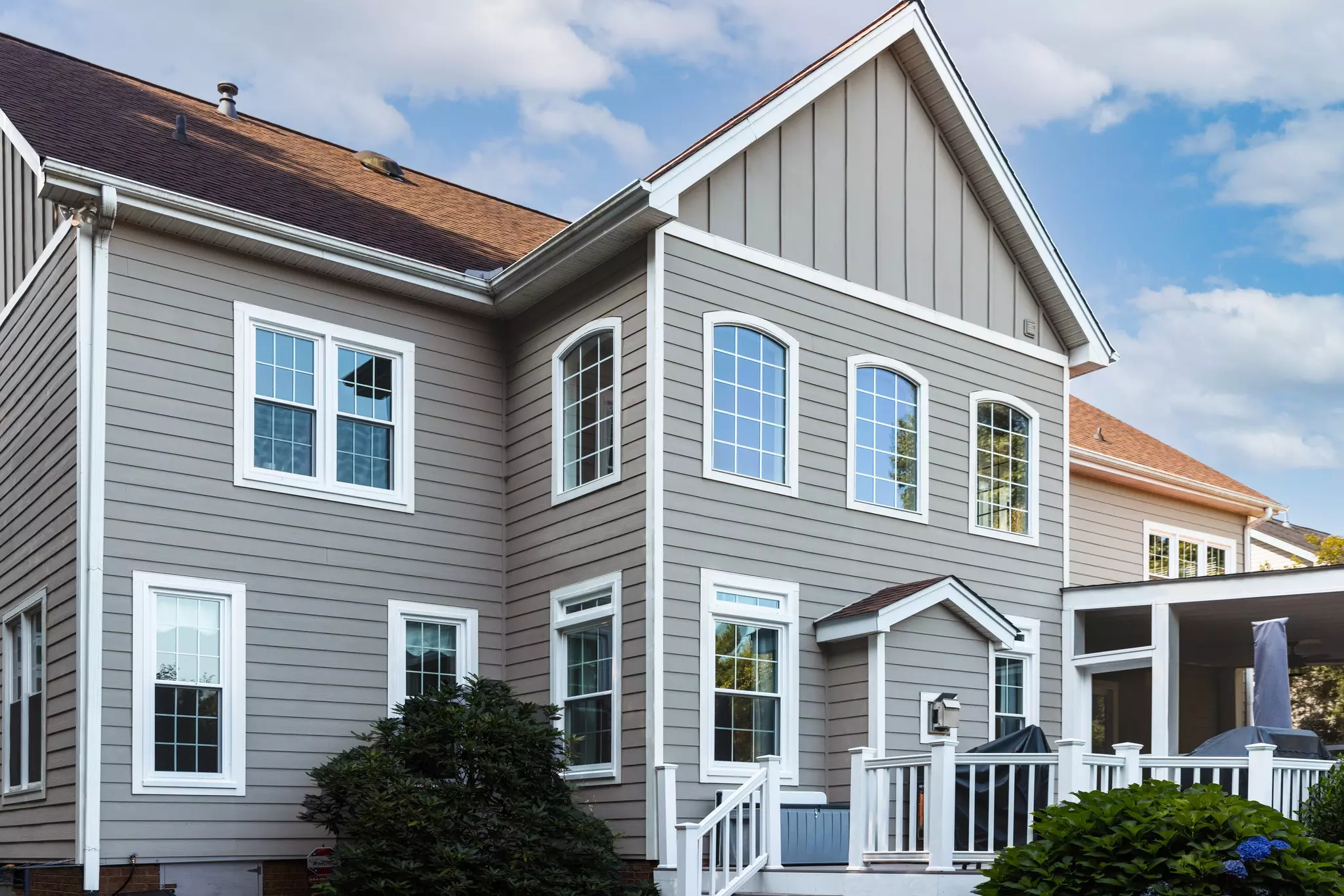
Everlast composite siding offers a cedar-like appearance using a blend of ground stone and polymer resins. It resists swelling, splitting, and rot. It also doesn't need painting or caulking.
Everlast comes in 15 colors with lap and board-and-batten options. It includes a lifetime limited manufacturer's warranty.
When is the best time to replace siding?
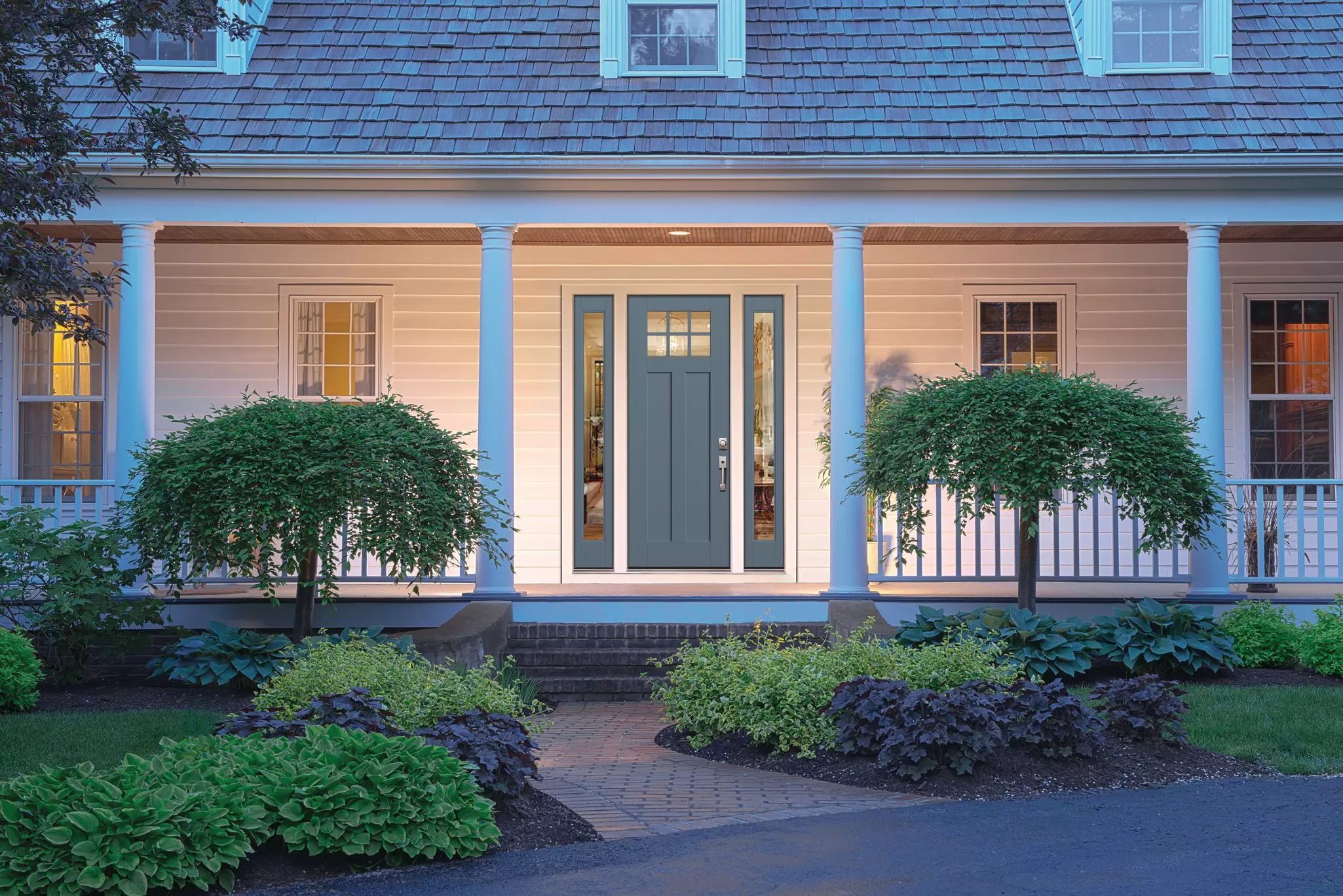
Siding can be replaced during much of the year in the Piedmont Triad. Spring and fall are popular because temperatures are often mild.
Very cold weather can make vinyl less flexible, so scheduling may need to account for winter conditions. However, don't delay repairs if you notice rot or moisture damage. These problems can get worse while you wait.
If you're also planning a roofing project, Window World of the Triad offers roofing services. You can discuss the timing of both projects with the same team.
Replace your siding with Window World of the Triad
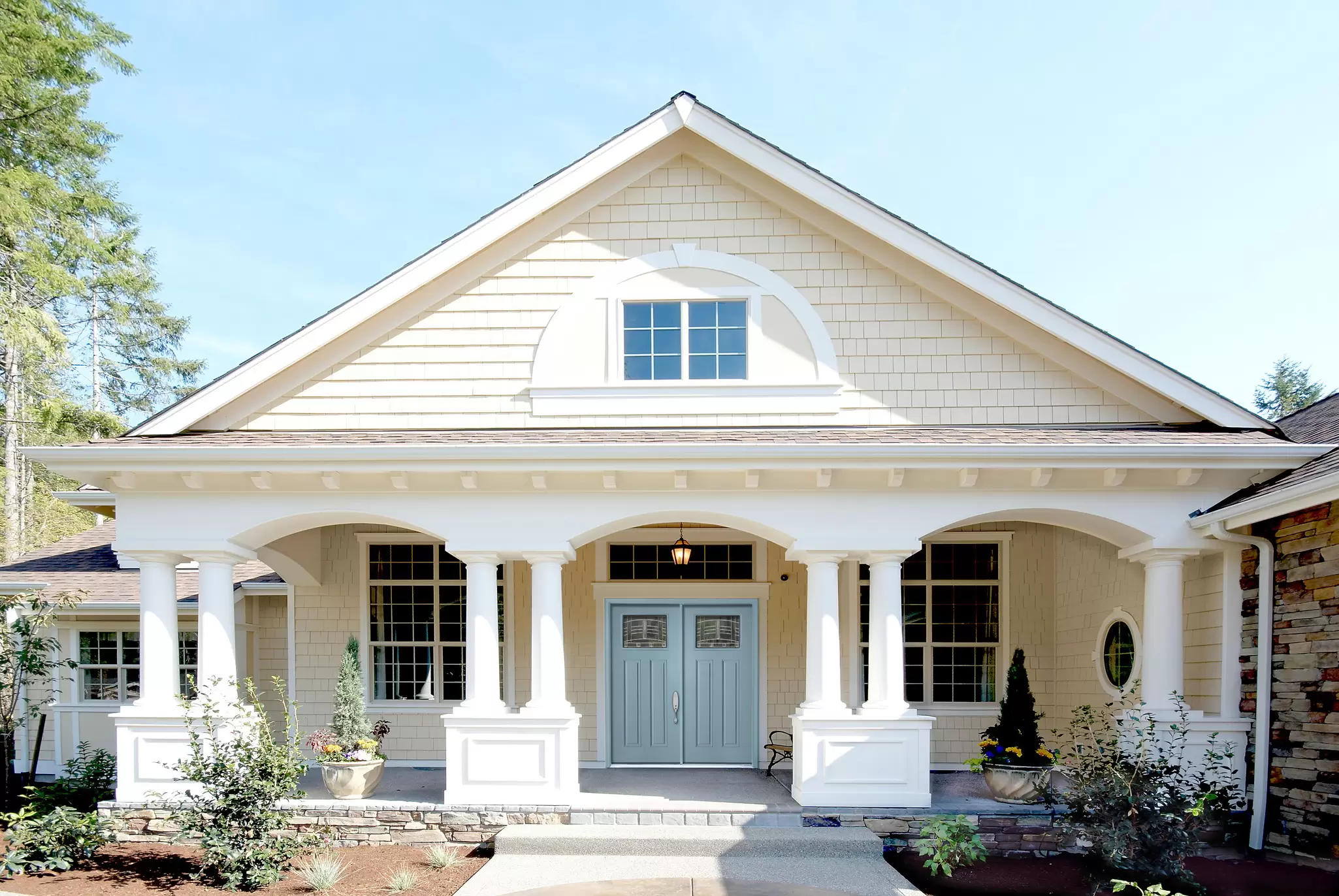
Knowing when to replace siding can help you keep your home looking its best while protecting it from the elements.
Since 1998, Window World of the Triad has served homeowners in Winston-Salem, Greensboro, High Point, and nearby communities. The company offers vinyl and composite siding, professional installation, and lifetime limited warranties on its siding products.
If you're considering siding replacement in Winston-Salem, NC, or elsewhere in the Triad, the team can help you compare your options.
Ready to give your home's exterior a fresh look? Get a free quote from Window World of the Triad through an in-home or virtual consultation.
Frequently Asked Questions
-
Vinyl siding typically lasts 20 to 40 years with proper installation and care. Weather, sun exposure, and maintenance can affect its lifespan. Regular inspections can help you decide when replacement is needed.
-
Yes, you can often replace a few damaged siding panels. However, finding an exact color and style match can be difficult with older siding. If damage is widespread, full replacement may provide a more even finish.
-
Siding replacement cost depends on your home's size, the material you choose, and the work needed before installation. Hidden damage and the details of the project can also affect pricing. A free quote is the best way to get an estimate for your home.